








































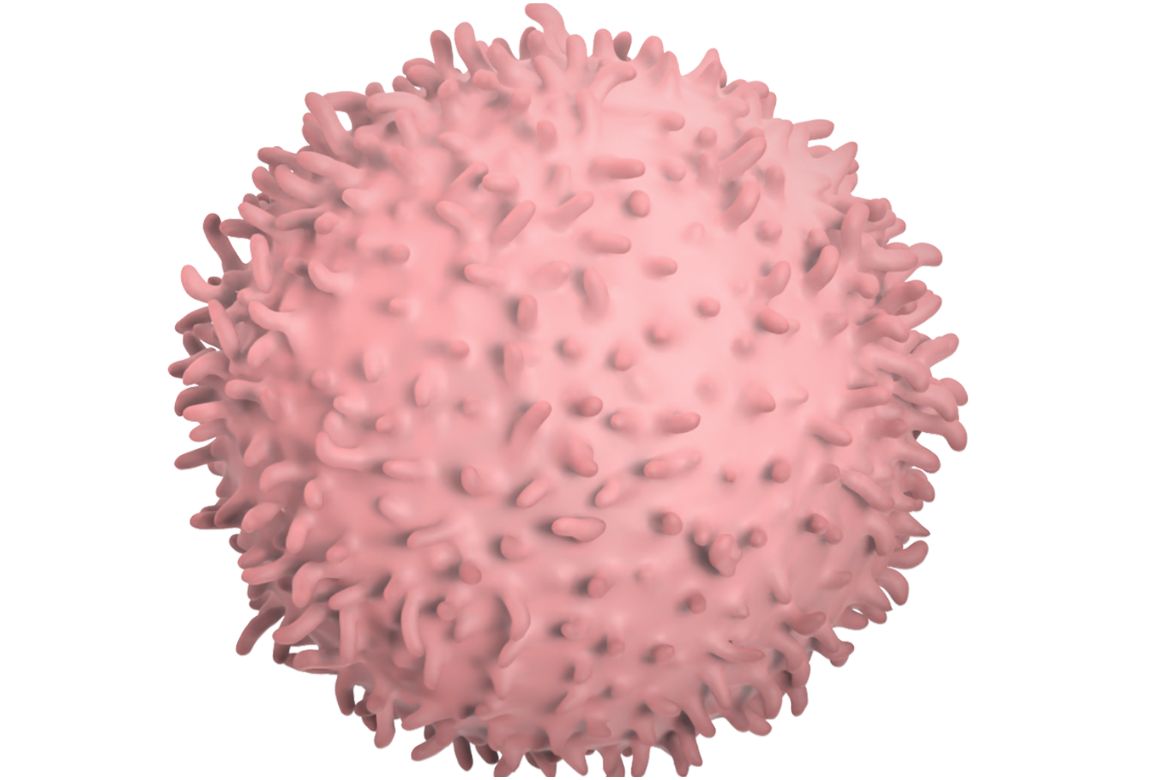
A research team led by the University of California, Los Angeles (UCLA) has discovered that fragments of the spike protein from the virus responsible for COVID-19 can target and kill specific immune cells. This study, published in the Proceedings of the National Academy of Sciences, highlights how these viral fragments interact with the immune system, potentially explaining the depletion of crucial immune cells in patients with severe COVID-19.
This investigation reveals that when human immune enzymes break down the spike protein of SARS-CoV-2, certain resulting fragments can disrupt the membranes of human immune cells. The findings indicate that these fragments preferentially attack shaped cells, specifically targeting sentinel and killer cells, which are critical for the body’s defense against infections.
Understanding the Impact of Spike Protein Fragments
The team of nearly three dozen scientists from various disciplines, including engineers, microbiologists, and immunologists, found that the fragments accumulate on cells with specific membrane characteristics. Co-corresponding author Gerard Wong, a professor of bioengineering at UCLA, noted that rather than interacting with receptor proteins, the fragments exploit the curvature of cell membranes. This mechanism allows them to breach the membranes of cells that are already activated by the virus.
In particular, the study identified two types of immune cells under attack: dendritic cells, which serve as early-warning sentinels detecting viral threats, and T cells, which are responsible for eliminating infected cells. “The viral fragments kill exactly the important types of immune cells that get clobbered in serious COVID-19,” Wong explained. He emphasized that the number of T cells is often measured in patients to assess the severity of the disease.
Insights into the Omicron Variant
The study also examined the omicron variant, which has been shown to be highly transmissible yet generally less severe than earlier strains. Researchers compared fragments from the spike proteins of both the original virus and the omicron variant. They found that the omicron fragments were significantly less effective at damaging dendritic and T cells, which may help explain the variant’s milder symptoms.
Former UCLA postdoctoral researcher Yue Zhang, now an assistant professor at Westlake University in China, remarked, “No one could really explain why [omicron] replicated as fast as the original strain but generally did not cause infections that were as serious.” The team’s findings suggest that the immune system may remain more intact in patients infected with omicron, leading to less severe outcomes.
The implications of this research extend to understanding the diverse range of fragments that SARS-CoV-2 can produce. The scientists discovered that no single fragment is solely responsible for the observed effects; instead, a combination of different fragments can work together to exert their impact on immune cells.
Research indicates that these viral fragments might exacerbate conditions in individuals with pre-existing inflammatory or autoimmune diseases. Wong highlighted the complexity of how these fragments interact with immune enzymes, which can vary significantly among individuals and may explain the wide range of COVID-19 symptoms, even in healthy patients.
As the researchers move forward, they intend to explore further the effects of SARS-CoV-2 protein fragments on the body. Their future inquiries will include long-term consequences of COVID-19 and its effects on various health outcomes, including cardiovascular damage and conditions resembling arthritis and lupus.
This study was supported by funding from the National Science Foundation, the National Institutes of Health, and several other organizations. The collaborative effort involves experts from universities and research institutions across the United States, China, Germany, India, and Italy, underscoring the global nature of scientific inquiry into COVID-19.
With these findings, researchers are poised to broaden their understanding of how COVID-19 impacts human health, emphasizing the importance of studying not only the virus itself but also the viral remnants left in its wake.
























