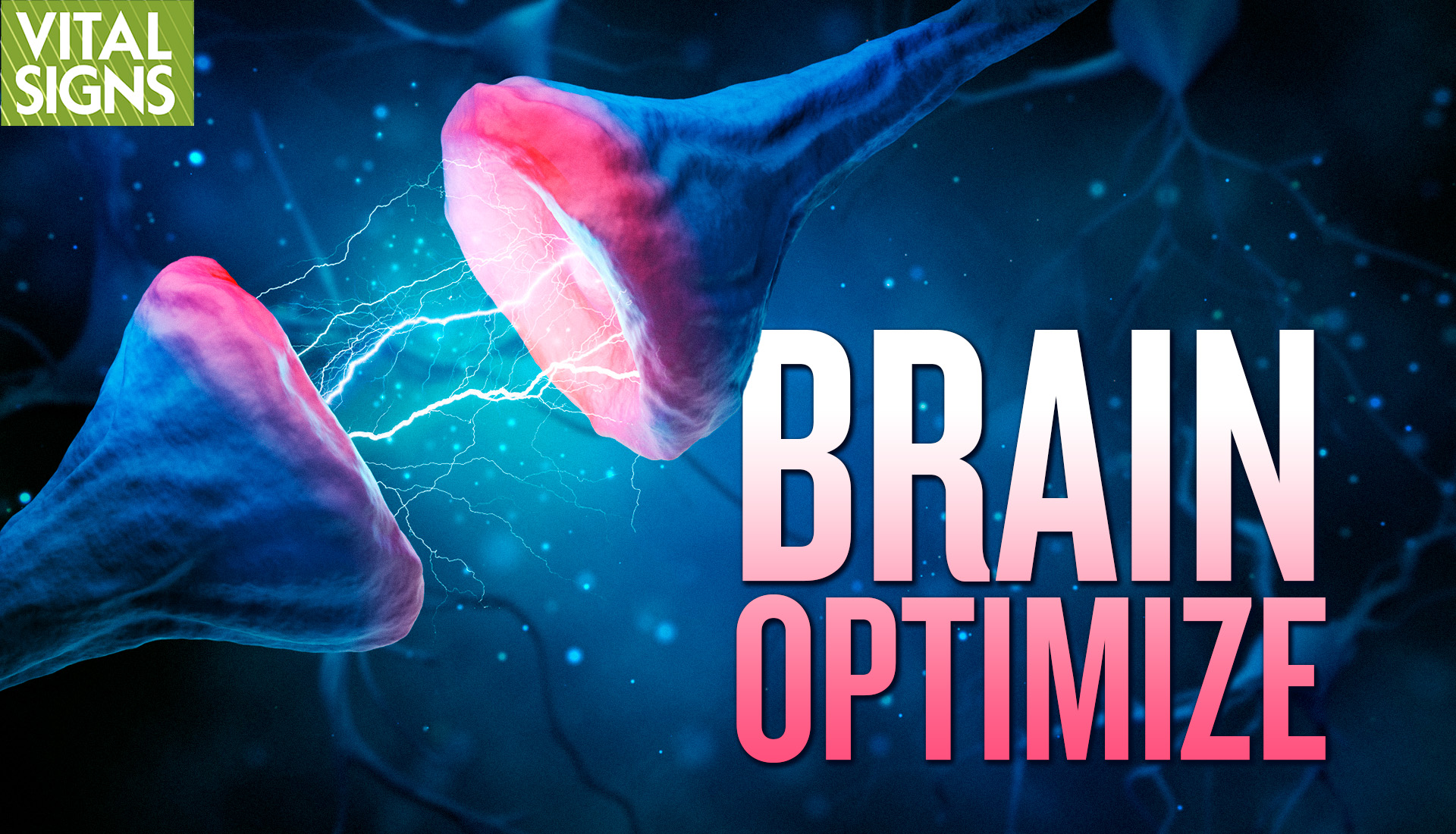
Research into the use of weight-loss medications, particularly hunger-suppressing drugs like **Ozempic**, is expanding to investigate their potential in preventing neurodegenerative diseases such as **Alzheimer’s** and **Parkinson’s**. Recent findings suggest that **GLP-1 receptor agonist Exenatide** may offer neuroprotective benefits for individuals suffering from Parkinson’s disease.
Dr. **David Perlmutter**, a neurologist and fellow of the **American College of Nutrition**, emphasizes the importance of metabolic health in combating brain disorders. He stated, “These conditions involve metabolic shifts. Because that’s what the GLP-1 drugs do. They target our metabolism first and foremost.” His insights were shared during an appearance on the health program **Vital Signs with Brendon Fallon**.
Focus on Mitochondrial Health
In the same discussion, Dr. Perlmutter outlined several dietary and lifestyle recommendations aimed at optimizing mitochondrial function, which he describes as the cellular powerhouses essential for overall health. He advocates for a balanced intake of specific vitamins and nutrients, as well as consistent exercise, to enhance brain metabolism.
Among his recommendations are twelve key vitamins and foods believed to support brain health, in addition to various physical activities that stimulate mitochondrial efficiency. These strategies are particularly relevant for those concerned about age-related cognitive decline.
Dr. Perlmutter is the author of **”Brain Defenders,”** a book that delves into strategies for protecting brain function and preventing neurodegenerative diseases. His work highlights the critical role of nutrition and lifestyle in maintaining cognitive health, particularly as populations age and the incidence of Alzheimer’s and similar diseases rises.
The Role of Metabolism in Neurological Health
The connection between metabolic health and neurological diseases is gaining traction in scientific circles. The GLP-1 receptor agonists, originally developed for diabetes management, have shown promise beyond their primary function. Studies indicate that these agents may also help in regulating brain metabolism, which could mitigate the progression of diseases like Alzheimer’s and Parkinson’s.
As researchers continue to explore these links, the hope is that existing medications can be repurposed to provide new avenues for prevention and treatment. This emerging field of study may change the landscape of how we approach brain health and disease prevention.
In conclusion, the growing interest in the metabolic effects of weight-loss drugs signals a pivotal shift in the understanding of Alzheimer’s and Parkinson’s diseases. As research progresses, the integration of dietary and lifestyle changes, along with innovative pharmacological approaches, could significantly influence the future of neurological health.