








































Aging individuals often overlook the impact of their daily hygiene habits on health and longevity. According to Dr. George Hennawi, physician executive director of the MedStar Health Center for Successful Aging, the common belief that daily showers are necessary can actually be detrimental as one grows older. As skin ages, it becomes thinner and less oily, which means conventional cleaning routines may do more harm than good.
In an interview with The Baltimore Sun, Hennawi pointed out that many people mistakenly assume they need to shower every day to remain clean. “Our skin gets thinner and drier as we age, and we don’t get so dirty in our daily activities,” he explained. This shift in skin condition can lead to various issues if aggressive cleaning routines are maintained.
Gentle Cleansing for Aging Skin
Daily bathing practices that once seemed essential can strip away vital natural oils. This can leave skin vulnerable to infections and irritations. The National Institute on Aging indicates that excessive cleansing can kill beneficial bacteria that protect the skin. Additionally, harsh scrubs can aggravate already thinning skin, further complicating hygiene routines for older adults.
Hennawi recommends using gentle, non-stripping cleansers such as creams, lotions, milks, balms, and oils. Ingredients like hyaluronic acid, ceramides, squalane, and glycerin are ideal for retaining moisture. He advises against products containing harsh sulfates, alcohol, or clay, as well as strongly scented items that may irritate sensitive skin. “Instead of applying fragrances directly to the skin, consider adding a small amount to your collar or cuffs,” he suggested.
To maintain skin health, Hennawi proposes showering two to three times a week while cleaning sensitive areas such as the underarms and groin with a soft cloth as needed. For daily cleansing, he recommends using warm—not hot—water with fragrance-free cleansers. A gentle patting method, rather than vigorous scrubbing, is preferable.
The Importance of Oral Hygiene
Another significant aspect of hygiene that tends to decline with age is oral health. Hennawi emphasizes the necessity of daily brushing and flossing. “Unfortunately, sometimes people let go of good habits,” he noted. Older adults should aim to brush their teeth twice a day for two full minutes and maintain regular flossing to keep the spaces between their teeth clean.
Salivary glands produce less saliva with age, leading to a condition known as dry mouth. Saliva is crucial for dental health, as it helps protect and cleanse teeth. To combat dry mouth, drinking small sips of water frequently or using commercially available saliva substitutes can be beneficial. Poor oral hygiene has been linked to a higher risk of serious health conditions, including dementia, diabetes, and heart disease. According to the National Institute on Aging, seniors with missing teeth face a 48% higher risk of cognitive impairment.
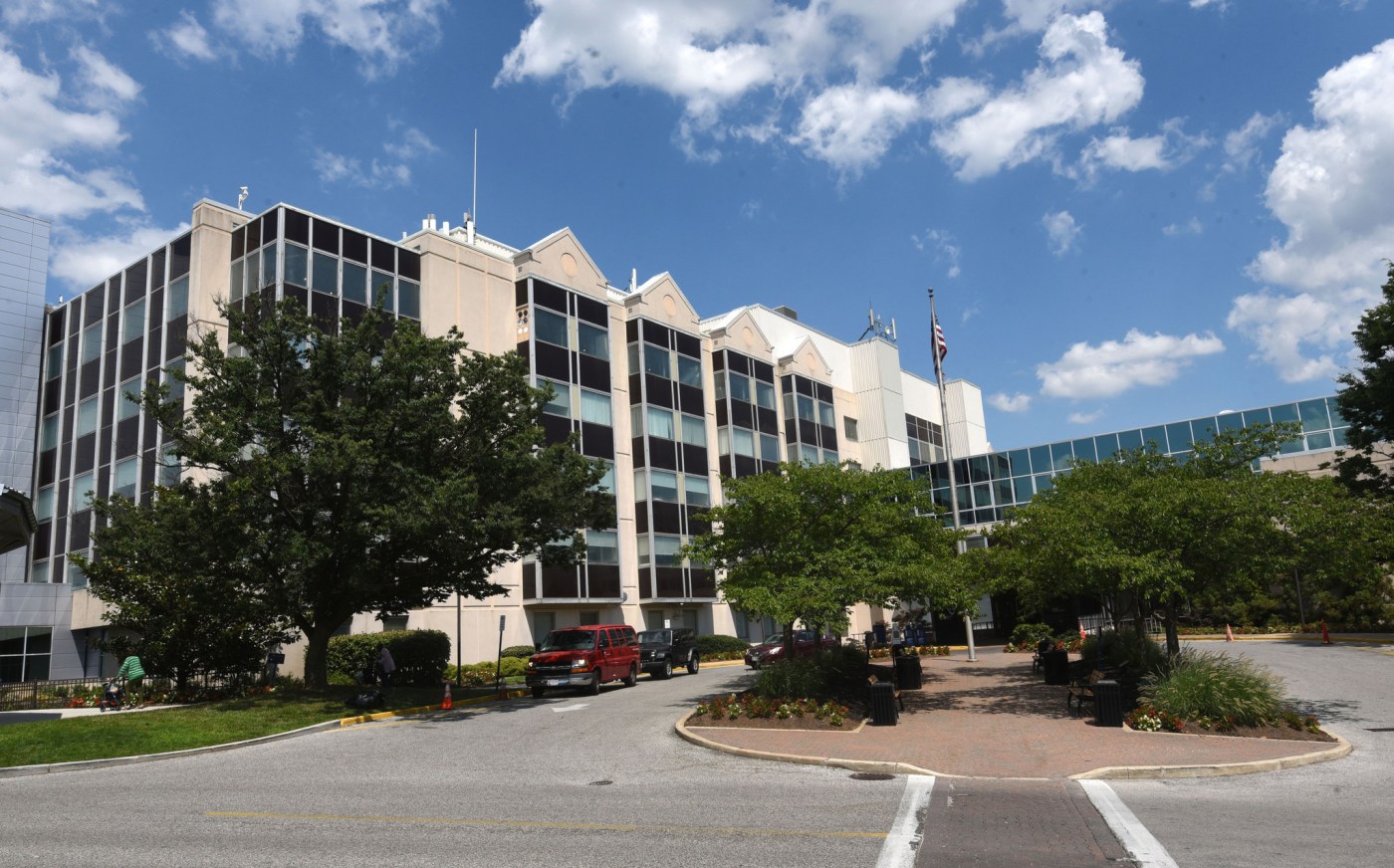
Hennawi, who founded the Center for Successful Aging at Good Samaritan Hospital in 2012, also opened a second center at MedStar Montgomery Medical Center in 2021. He encourages individuals and their families to reassess and adjust hygiene habits as they age, highlighting the need for tailored solutions.
Each person’s hygiene routine should be regularly evaluated to match their specific needs, taking into account factors such as skin condition, hair health, and overall well-being. “There are a number of things we need to start thinking differently about as we age,” Hennawi concluded.
For older adults, the goal is to find a balance that ensures cleanliness while promoting health and longevity. Adjusting hygiene practices not only improves comfort but may also significantly reduce the risk of infections, ultimately contributing to a longer life.
























