








































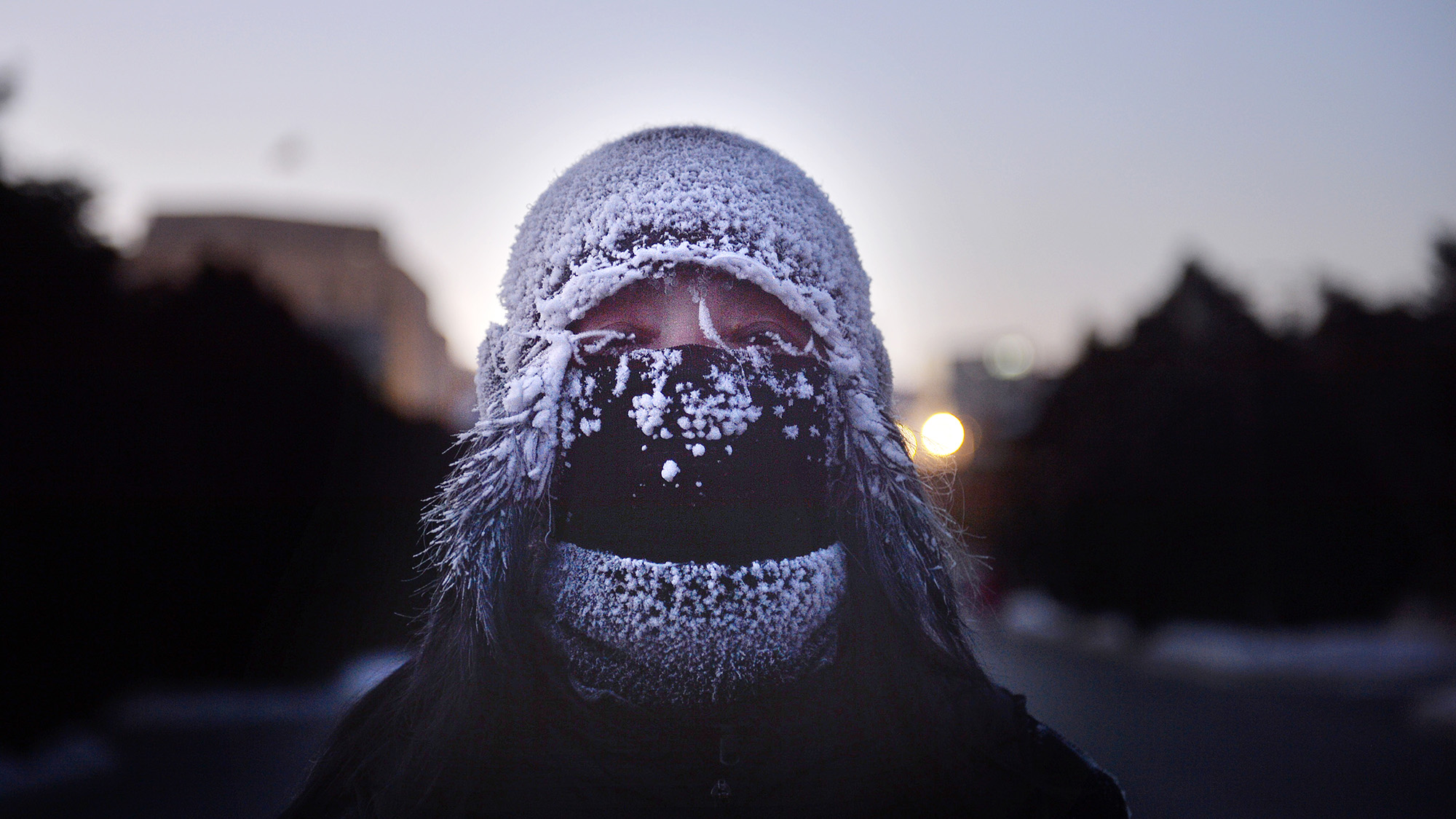
In a stunning display of human resilience, a toddler from Poland survived after being exposed to dangerously low temperatures, with a core body temperature recorded at just over 53 degrees Fahrenheit (approximately 12 degrees Celsius). This extraordinary case, which took place in January 2014, raises profound questions about human survival in extreme cold and the body’s ability to endure harsh conditions.
The incident occurred when a two-year-old boy wandered outside wearing only a pajama top and socks, missing for several hours in temperatures around 19 degrees Fahrenheit (-7 degrees Celsius). When rescuers finally located him, his body was so stiff that initial resuscitation efforts were hindered. Remarkably, after being placed on life support and gradually rewarmed, the child made a full recovery after two months in the hospital without any lasting physical damage.
Understanding Hypothermia and Survival
Hypothermia, a condition characterized by a drop in core body temperature below 95 degrees Fahrenheit (35 degrees Celsius), can be life-threatening. Many individuals have succumbed to hypothermia when their internal body temperature drops even slightly below normal. It is crucial to understand how such extreme conditions affect the human body and the rare instances where survival occurs.
According to Popular Science, an adult record-holder for survival in extreme cold is Anna Bågenholm, who, in 1999, fell through ice while skiing in Norway. After being submerged in near-freezing water for approximately 90 minutes, her core body temperature plummeted to 56 degrees Fahrenheit (13 degrees Celsius), the lowest ever recorded for an adult outside a hospital. Bågenholm was rescued, revived, and later made a full recovery, thanks to a combination of factors, including a trapped air pocket that allowed her to breathe and a gradual warming process upon rescue.
In contrast, the survival of the toddler shines a light on the extreme limits of human endurance. While hypothermia is often fatal, in some rare cases, the body’s physiological response to cold can slow harmful processes, such as inflammation and cell death. As the body’s temperature drops, the brain’s need for oxygen decreases, allowing for longer survival under specific conditions.
Lessons from the Cold
The survival stories of both the toddler and Bågenholm challenge our understanding of hypothermia and the human body’s resilience. While these extraordinary cases offer hope, they also serve as a cautionary tale about the dangers of extreme cold.
As winter approaches, many areas around the world will experience chilling temperatures. In fact, one of the coldest inhabited places on Earth is Oymyakon in Eastern Siberia, where winter temperatures regularly dip below -60 degrees Fahrenheit (-51 degrees Celsius). Residents in such extreme conditions face challenges that most people around the world cannot fathom.
While medical professionals sometimes use hypothermia intentionally to protect vital organs during surgeries, this practice is highly controlled. The broader message remains clear: outside of clinical settings, hypothermia is dangerous and often deadly.
As researchers and medical professionals continue to study the effects of extreme cold on the human body, stories of survival remind us of our vulnerability and resilience. The experience of the toddler who endured a core body temperature of 53 degrees Fahrenheit serves as a striking example of the human spirit’s capacity to withstand even the most severe conditions.
























