








































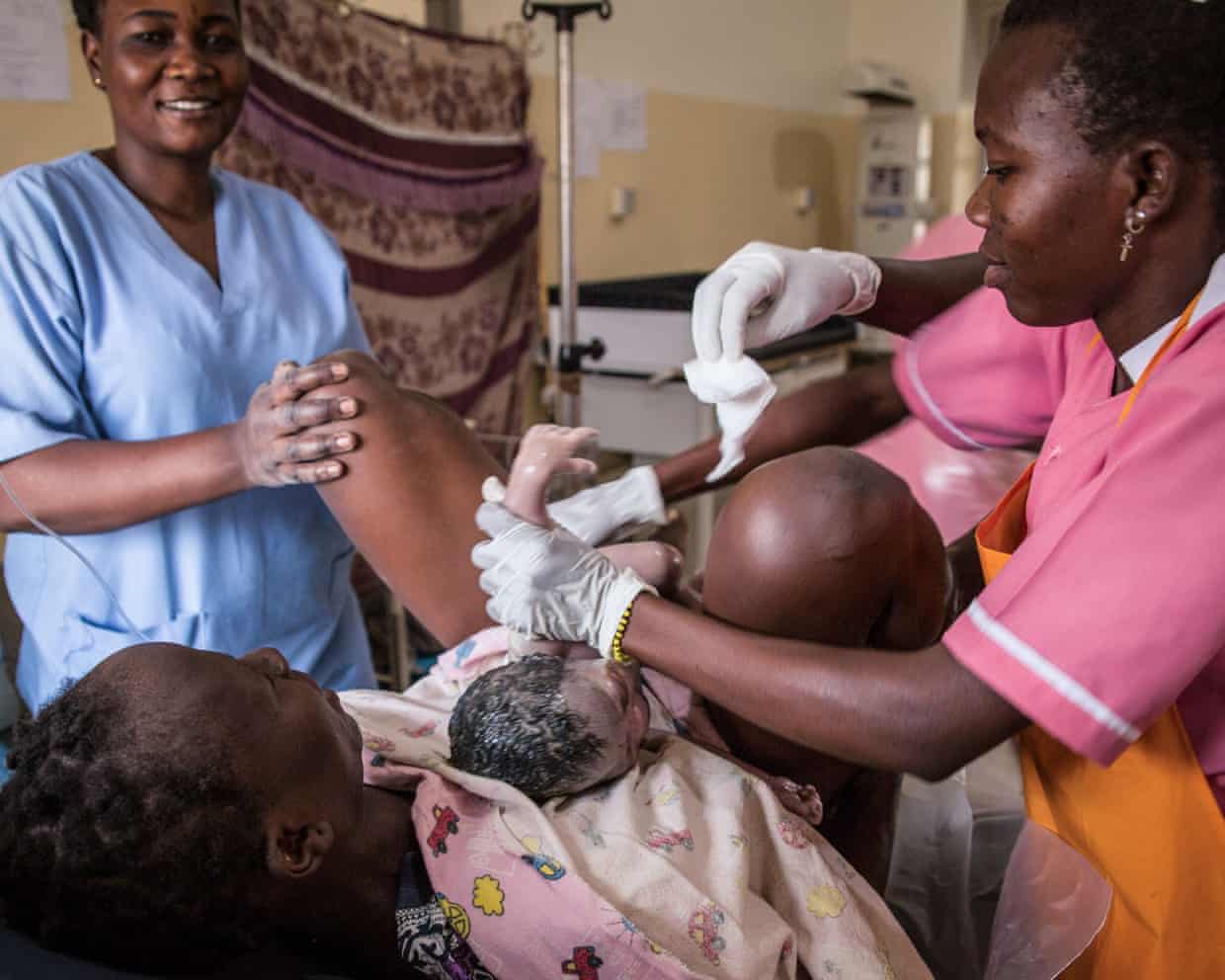
A significant global shortage of nearly 1 million midwives is jeopardizing the essential care needed for pregnant women, leading to increased risks for both mothers and babies. Research conducted by the International Confederation of Midwives (ICM) highlights that nearly half of this deficit is concentrated in Africa, where 90% of women reside in nations lacking adequate midwifery support.
According to Anna af Ugglas, chief executive of the ICM and co-author of the study, the absence of qualified midwives has serious implications for health systems. “Nearly 1 million missing midwives means health systems are stretched beyond capacity,” she explained. The situation results in midwives being overworked and underpaid, leading to hurried and fragmented care. As a consequence, intervention rates rise, increasing the likelihood of women experiencing poor-quality care or mistreatment.
The study reveals that an additional 980,000 midwives are necessary across 181 countries to ensure all women receive safe and high-quality care during pregnancy, childbirth, and postpartum. Previous findings indicate that universal access to midwife-delivered care could prevent up to two-thirds of maternal and newborn deaths, potentially saving 4.3 million lives annually by 2035.
The report identifies multiple factors contributing to the shortage, including a lack of training opportunities for midwives and the failure of many nations to employ and retain qualified midwives where they are most needed. Prof Jacqueline Dunkley-Bent, ICM’s chief midwife and another co-author of the report, emphasized that despite having educated midwives, many are not integrated into the workforce effectively, leaving women without access to the care they require.
The shortage is particularly acute in low- and middle-income countries. For instance, Africa has only 40% of the midwives it requires, while regions such as the eastern Mediterranean are at 31% and the Americas at just 15%. Shortfalls are less severe in areas like south-east Asia and Europe, yet still present.
Published in the journal Women and Birth, the study estimates the number of midwives necessary to perform fundamental midwifery tasks, which include counselling on contraception, antenatal care, and support during childbirth. Researchers noted that while the number of midwives is gradually increasing, the gap between the required workforce and available midwives is likely to endure well into the next decade, beyond the 2030 target set by global sustainable development goals aimed at reducing maternal mortality and preventing deaths of newborns and children under five.
In light of these findings, the ICM has called on governments worldwide to take immediate action to enhance their midwifery workforces. The organization is mobilizing signatures for a global petition advocating for increased investment in the midwifery profession. “When midwifery is a respected and well-supported profession, more women are motivated to train and stay in the workforce,” said af Ugglas. This, she argues, is vital for improving health outcomes and establishing more resilient health systems globally.
























