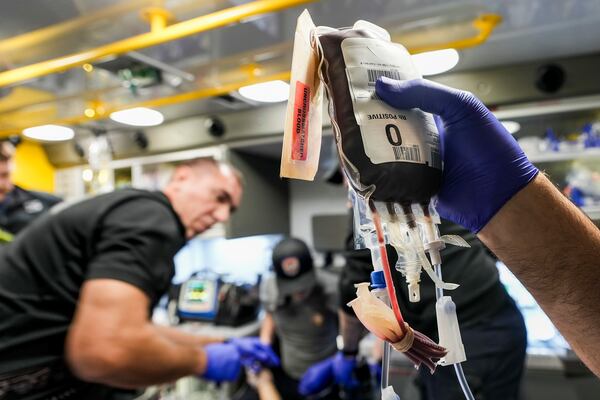
In Fort Worth, Texas, a mobile blood transfusion program has proven to be a lifesaving initiative. In its first eight months, paramedics have successfully transfused over 150 units of blood into 140 patients, demonstrating the program’s significant impact on emergency medical care.
The program, launched in January 2023, aims to provide immediate blood transfusions at the scene of emergencies, particularly critical for trauma cases. According to data from the Fort Worth Fire Department, the mobile units have become an essential tool in enhancing patient outcomes during medical crises.
How the Program Works
Fort Worth’s mobile blood transfusion service operates by equipping emergency medical technicians with blood supplies, allowing them to administer transfusions on-site. This rapid response is particularly crucial in situations where every second counts, such as severe injuries from accidents or sudden medical emergencies.
The program not only addresses immediate medical needs but also alleviates pressure on local hospitals. Paramedics report that having access to blood at the scene has enabled them to stabilize patients more effectively before they reach medical facilities. This proactive approach can significantly improve survival rates.
Community and Medical Impact
The community response has been overwhelmingly positive. Local residents have praised the initiative, recognizing its potential to save lives in urgent situations. Mayor Mattie Parker emphasized the importance of this program, stating, “We are committed to enhancing our emergency services to ensure the health and safety of our community.”
Feedback from local hospitals further supports the program’s effectiveness. Medical professionals acknowledge that the ability to administer blood transfusions pre-hospital can make a critical difference for patients facing life-threatening conditions.
As the program continues to evolve, Fort Worth aims to expand its capabilities. Plans are underway to increase the number of mobile units and the volume of blood available for transfusions, ensuring that even more lives can be saved in the future.
The success of Fort Worth’s mobile blood transfusion program serves as a model for other cities considering similar initiatives. By prioritizing rapid medical intervention, it highlights the potential for innovative solutions to address challenges in emergency healthcare.