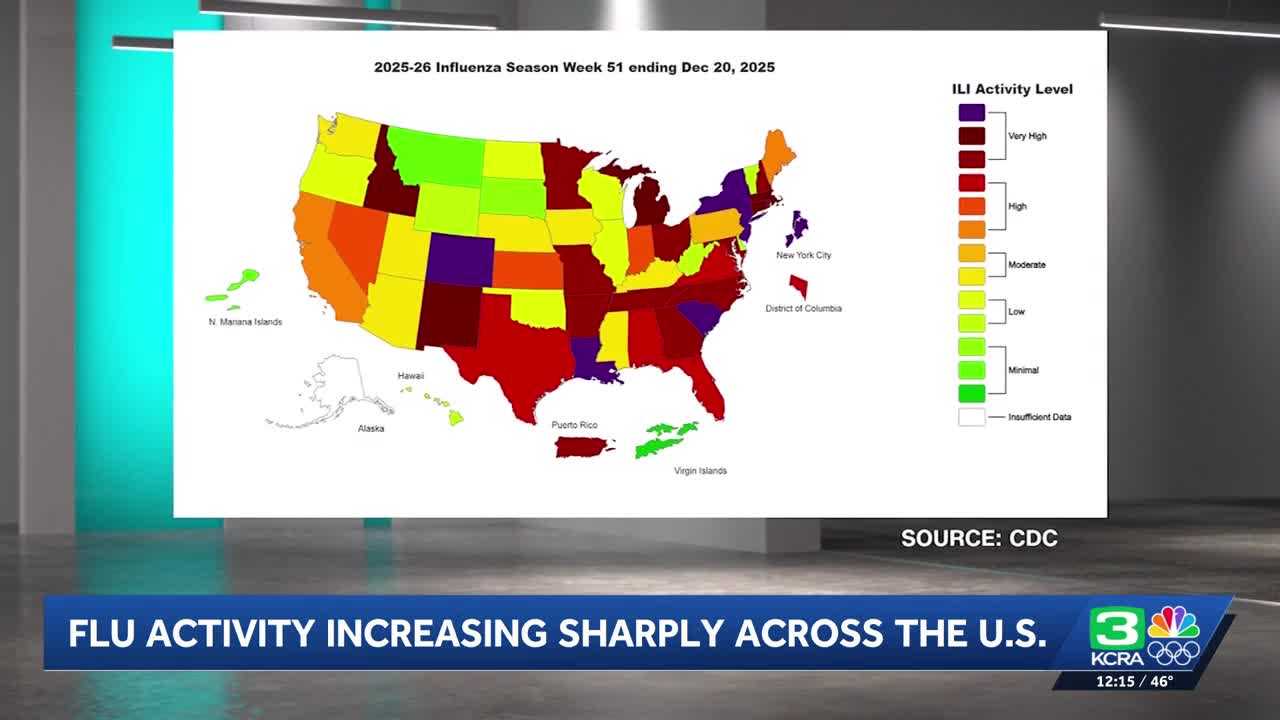
Flu activity in California has escalated to “high” levels as of the week ending December 20, 2023, according to the latest update from the U.S. Centers for Disease Control and Prevention (CDC). This marks a notable increase from the previous week, when flu levels were categorized as “moderate.” This surge coincides with the busy holiday travel season, raising concerns about further spread.
Nationwide, more than half of the United States is experiencing high or very high flu activity. The CDC estimates that there have been at least 7.5 million illnesses, 81,000 hospitalizations, and 3,100 deaths attributed to the flu this season. Among these fatalities, at least eight have been reported in children, including one recent flu-related death in Sacramento County. The details of this child’s case are still being verified to determine if it will be included in the CDC’s national statistics.
According to the California Department of Public Health, flu activity is rising across all regions of the state, with a particular increase in test positivity rates among children. While current hospitalization rates remain low, health officials anticipate an upward trend in admissions as the season progresses.
The increase in flu cases is believed to be driven by a variant known as “subclade K,” a strain of the H3N2 virus. This particular strain has the potential to result in more severe illness, especially among older adults. As reported by the Associated Press, it remains uncertain whether subclade K is simply more transmissible or if it poses greater health risks.
The flu is especially dangerous for vulnerable populations, including individuals aged 65 and older, pregnant women, young children, and those with chronic health conditions such as asthma, diabetes, and heart disease. The CDC, along with various medical organizations, strongly recommends that everyone aged six months and older receive a flu vaccination.
While the flu vaccine may not perfectly match the subclade K variant, health experts maintain that it could still provide some level of protection. As of now, approximately 42% of adults and children have received their flu shots this year, according to CDC data.
Recognizing flu symptoms can help individuals seek timely medical attention. Common signs include fever, cough, sore throat, body aches, and fatigue. To reduce the risk of contracting the flu and other respiratory illnesses, health authorities recommend practicing good hygiene, such as frequent handwashing and avoiding close contact with sick individuals.
For further information on flu activity across different states, a detailed chart is available.
This ongoing situation highlights the importance of vigilance and preventive measures during the flu season, as communities navigate the challenges posed by increased illness during the holiday period.