








































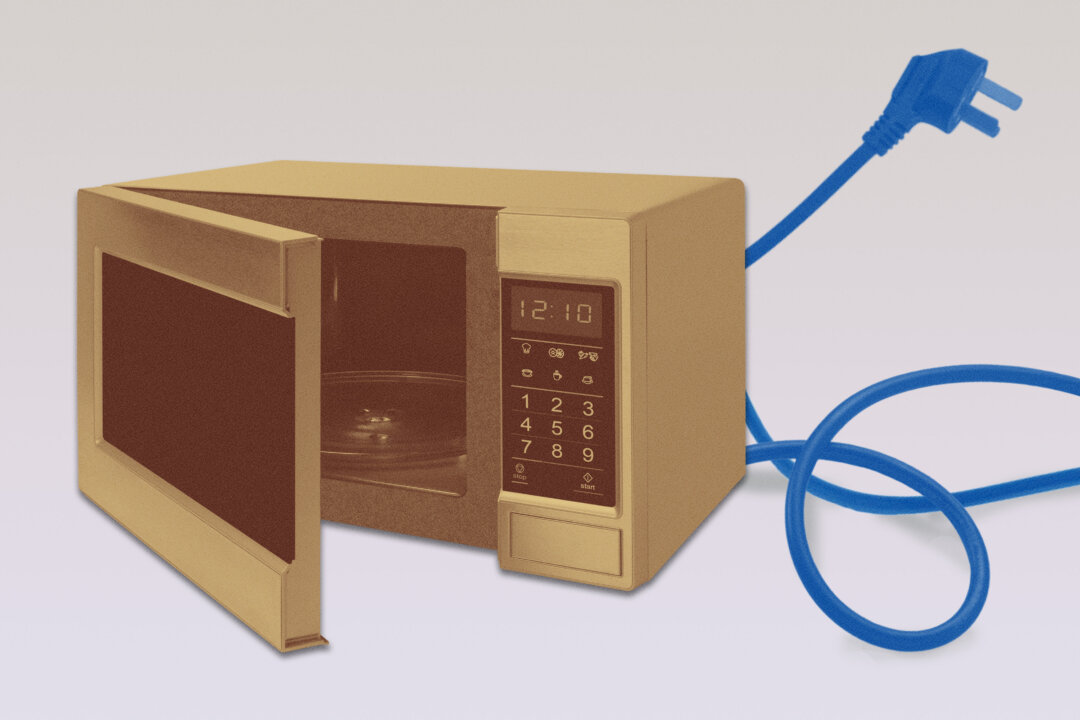
The Cross family’s decision to remodel their kitchen has led to a surprising benefit: a noticeable improvement in the taste of their leftovers. With the microwave relocated to the pantry, the appliance has become less of a focal point, and the family is now exploring alternative methods for reheating food. This shift not only reduces clutter in their kitchen but also addresses growing concerns regarding the health implications of microwaving food.
Amy Cross, the owner of the online business Cross Legacy, aims to reduce food waste and help families save money on groceries. She expressed her satisfaction with the decision to forgo a microwave upon moving into their new home, which was built in the 1940s. “I don’t like clutter on my countertops and definitely don’t want one with harmful chemicals being released,” she stated in an interview with The Epoch Times.
Research has increasingly highlighted potential risks associated with microwaving food, particularly when using plastic containers. Studies have shown that heating food in plastic can release millions of microplastic particles into meals, raising concerns about the long-term health effects of consuming these particles. This has prompted some families to reconsider their use of microwaves.
Alternative Reheating Methods Gaining Popularity
As families like the Crosses opt to move away from microwaves, various alternative reheating methods are gaining traction. Stovetops, ovens, and even air fryers are becoming preferred options for heating up leftovers.
Using a stovetop can enhance flavor and texture, especially for dishes like soups and stews. This method allows for better control over heat distribution, making it easier to warm food evenly. Similarly, ovens are ideal for reheating casseroles or baked goods, restoring their crispness and preventing sogginess that often results from microwaving.
Air fryers have also emerged as a popular choice, combining the benefits of convection heating with the ability to achieve a crispy finish. This method is particularly effective for reheating fried foods, making them taste freshly cooked rather than limp and soggy.
Health and Environmental Considerations
The shift away from microwaves is not only about taste; it also encompasses wider health and environmental concerns. Many families are becoming more mindful of the materials used in food storage and reheating. The potential for harmful chemicals to leach from plastic into food has led to increased interest in glass or ceramic containers, which are considered safer options.
Moreover, moving away from microwaves can have a positive environmental impact. Reducing reliance on plastic containers not only minimizes exposure to microplastics but also helps decrease plastic waste. Families are turning to more sustainable practices, aligning with efforts to combat food waste and promote healthier eating habits.
As the trend continues, more families are likely to experiment with different reheating techniques. The Cross family’s experience highlights a growing movement toward prioritizing both health and culinary quality in meal preparation. With alternatives available that enhance flavor and reduce potential health risks, the microwave may soon become a relic of the past in many households.
In an era where health and sustainability are increasingly valued, families are finding that the kitchen remodel can extend beyond aesthetics; it can also lead to significant changes in everyday habits and choices.
























