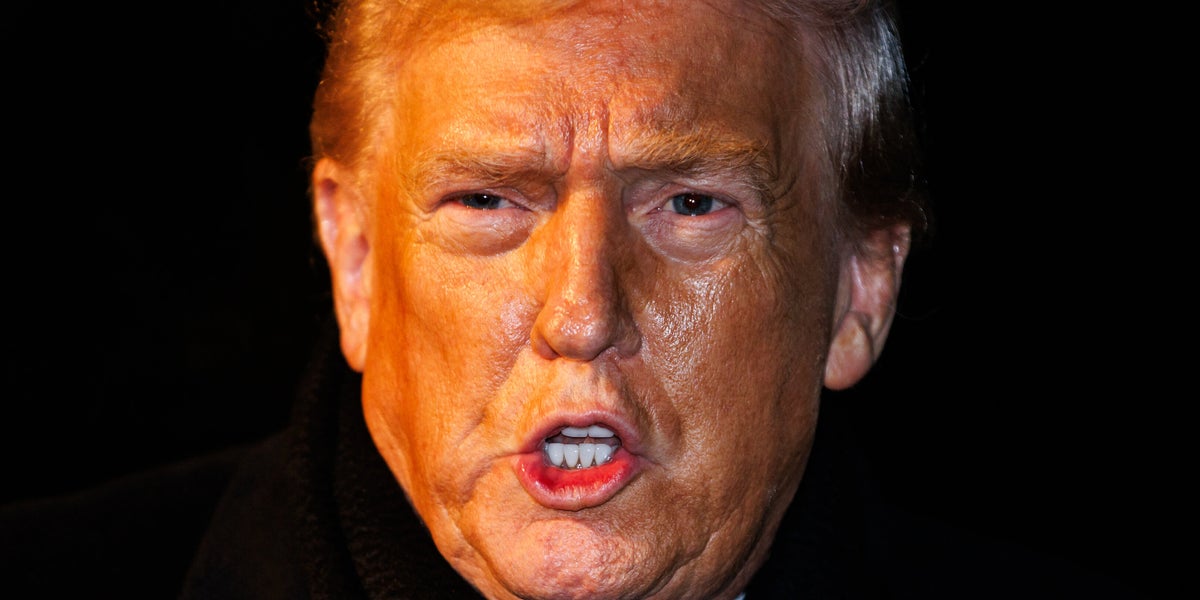
Concerns over former President Donald Trump‘s mental acuity have resurfaced, following remarks from two former officials who served in his administration. Ty Cobb, a former White House attorney, and Stephanie Grisham, a former press secretary, both expressed alarm at Trump’s cognitive state during a recent press conference that marked his return to office after a year.
In an interview with MS NOW’s Ari Melber, Cobb described Trump’s cognitive decline as “palpable.” His comments followed what many considered an unusual and disjointed press conference, prompting him to suggest that “there’s nobody outside of the United States who believes that Trump is sane.” Cobb elaborated on his concerns, indicating that the president’s behavior reflects a significant cognitive decline, which he attributes to factors including narcissism and possible dementia.
While Cobb did not cite any formal diagnosis, he emphasized that many experts and physicians share his concerns. Melber reminded viewers that Trump has not been diagnosed with any cognitive disorders, but Cobb’s assertion adds to the growing scrutiny surrounding Trump’s mental fitness.
Grisham, who has also become a vocal critic of Trump, voiced her apprehensions on social media. She described the press conference as “bizarre even for him,” highlighting Trump’s tendency to ramble and veer off-topic. In her commentary, she noted that the event felt “low-energy” and suggested that Trump is “mentally slipping.”
The conversation regarding Trump’s mental fitness is not new but has intensified in light of recent events. Last week, Jonathan Reiner, a medical analyst for CNN, suggested that Trump should undergo a new medical evaluation after he appeared to nod off during a public event. Reiner escalated his concerns further, calling for a congressional inquiry into Trump’s overall fitness for office.
As discussions about Trump’s health continue to unfold, both Cobb and Grisham’s comments serve as a reminder of the ongoing debate regarding the impact of mental acuity on leadership and governance. The implications of their statements resonate within the political landscape, raising questions about the responsibilities of leaders to maintain their mental fitness while serving in high office.