








































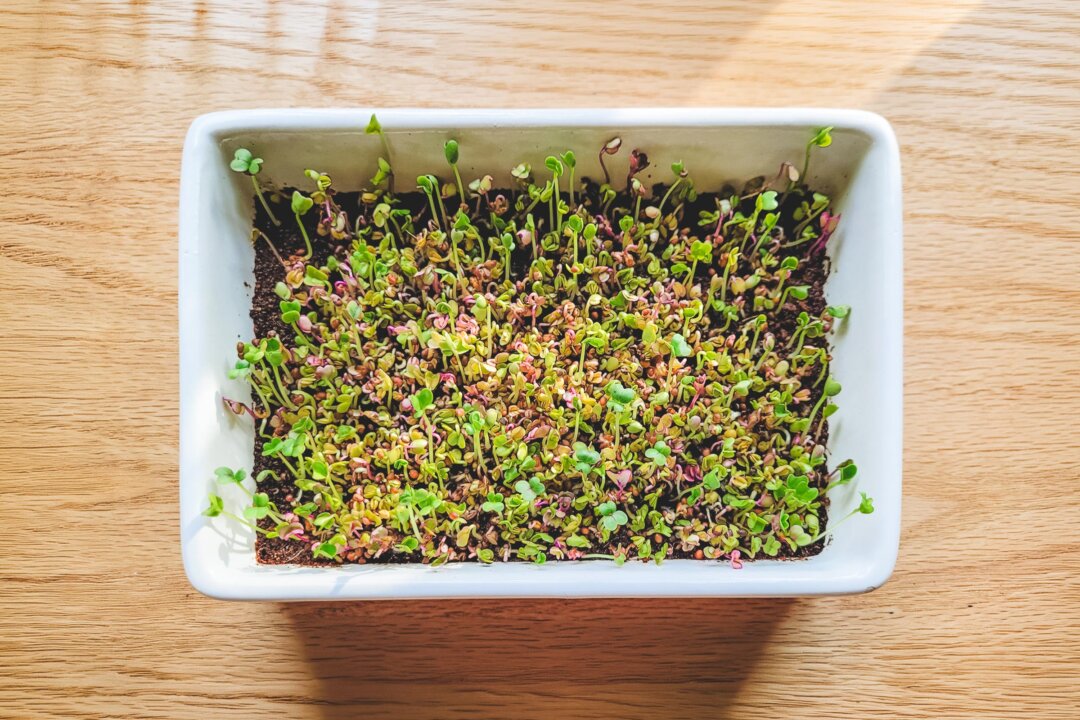
The trend of growing microgreens and sprouts at home is gaining traction as more individuals seek to enhance their meal nutrition. Research indicates that these young plants often contain higher concentrations of essential vitamins and nutrients compared to their mature counterparts. This makes them an excellent addition to everyday meals, providing not only health benefits but also a fresh and crisp texture.
Understanding Microgreens and Sprouts
Microgreens and sprouts differ significantly in their growth stages and nutrient profiles. Microgreens are typically harvested just after the first true leaves appear, around 7 to 21 days after germination. In contrast, sprouts are consumed in their seedling stage, usually within 3 to 10 days. This variation in growing time influences their flavor, texture, and nutritional content.
Growing these plants in your kitchen allows for greater control over cultivation methods and ensures that they are free from pesticides and other chemicals. A small handful of microgreens can elevate a simple salad or sandwich, transforming meals into vibrant, nutritious options.
Health Benefits of Microgreens and Sprouts
The health benefits associated with microgreens and sprouts are substantial. They are rich in vitamins, antioxidants, and other micronutrients that support digestion and bolster immune health. For instance, many microgreens can have up to 40 times more nutrients than their mature versions, according to a study by the University of Maryland. This concentration of nutrients makes them an effective way to enhance dietary intake without significantly increasing calorie consumption.
Including microgreens and sprouts in daily meals can also contribute to improved heart health and lower blood pressure, as they are known to contain beneficial compounds such as flavonoids and carotenoids. These elements play a crucial role in reducing inflammation and promoting overall well-being.
With minimal investment in terms of time and resources, anyone can begin cultivating these nutritious plants at home. Whether using seed trays, pots, or even recycled containers, the process is straightforward and accessible for all.
In summary, the cultivation of microgreens and sprouts not only provides a fresh and healthy addition to meals but also empowers home cooks to take charge of their nutrition. As interest in home gardening continues to grow, these vibrant plants offer an ideal solution for enhancing both flavor and health in everyday eating.
























