








































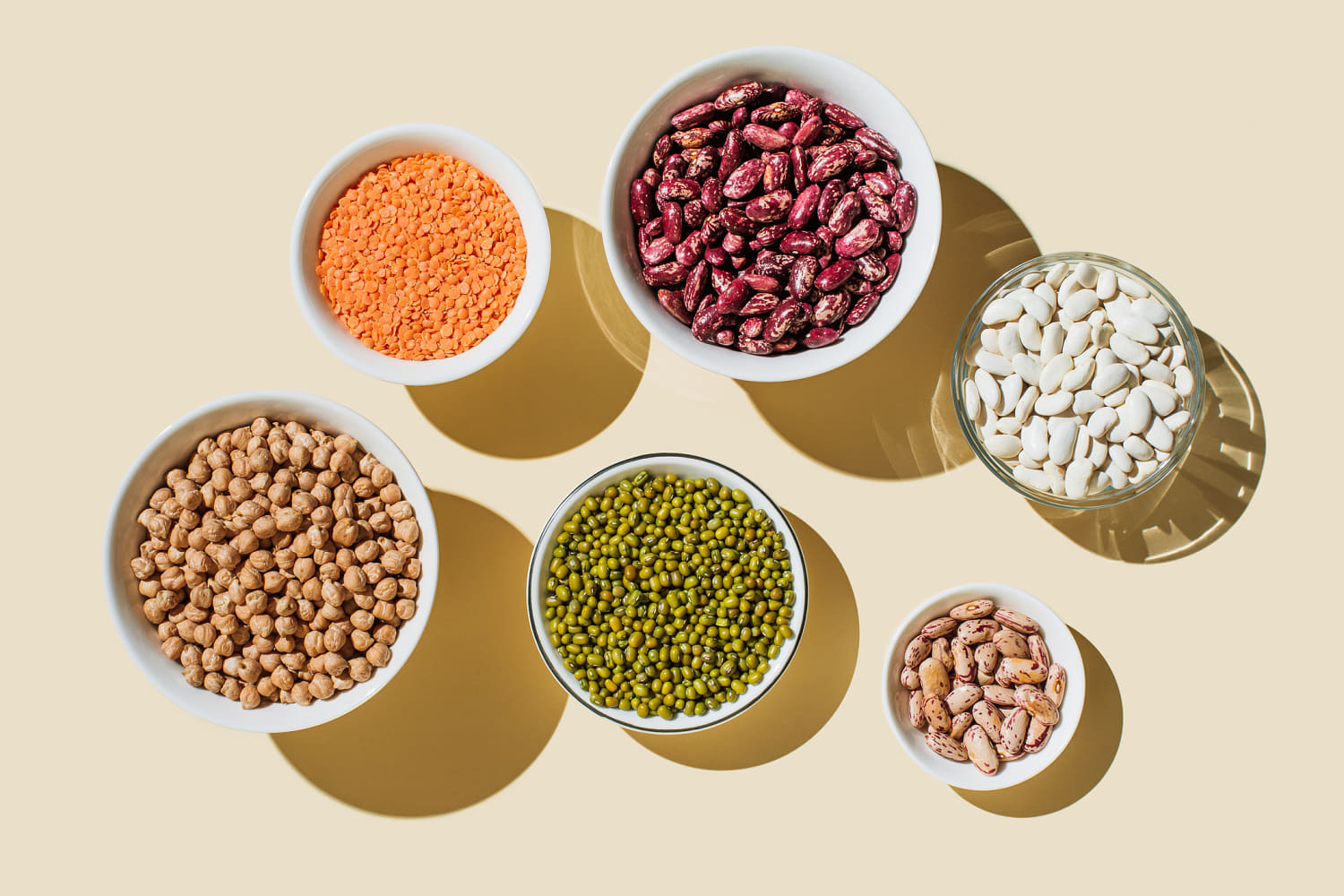
Beans are a nutritional powerhouse, recognized for their health benefits and affordability. They are a key ingredient in various global cuisines and are favored by nutrition experts. As edible seeds from legumes, beans offer a wealth of nutrients that contribute to both gut and heart health. According to Angel Planells, a registered dietitian and spokesperson for the Academy of Nutrition and Dietetics, beans provide a rich source of plant-based protein, fiber, complex carbohydrates, vitamins, and minerals while remaining low in fat.
The U.S. Department of Agriculture categorizes beans as both vegetables and “protein foods,” highlighting their nutritional significance. Although protein often garners attention, the fiber content in beans is particularly noteworthy. Natalie Rizzo, a dietitian and nutrition editor at TODAY.com, emphasizes that beans are among the best natural sources of dietary fiber.
Understanding the Role of Fiber in Health
Fiber is a type of carbohydrate that the body cannot digest, playing a crucial role in overall health. Beans are rich in both soluble and insoluble fiber, which many individuals lack in their diets. Soluble fiber dissolves in water, forming a gel-like substance that slows digestion, while insoluble fiber adds bulk to stool, facilitating its passage through the digestive tract. This combination benefits health in multiple ways.
Planells notes that soluble fiber can enhance satiety, aiding in weight management. It also binds with cholesterol in the gastrointestinal tract, promoting its excretion from the body. Conversely, insoluble fiber supports regular bowel movements, helping to prevent constipation. The dual action of these fibers may contribute to lowering LDL “bad” cholesterol levels. Furthermore, a sufficient intake of dietary fiber is linked to improved blood sugar control and insulin sensitivity, which are vital for heart health and reducing the risk of chronic diseases such as diabetes.
Aiming for an intake of between 25 and 38 grams of dietary fiber per day is recommended for adults; however, approximately 95% of Americans fail to meet this guideline. Insufficient fiber intake can lead to issues such as constipation, frequent hunger, and elevated cholesterol levels. Increasing fiber intake gradually is advisable to avoid gastrointestinal discomfort, as advised by experts.
High-Fiber Bean Varieties to Incorporate
Most beans contain a minimum of five grams of fiber per serving, but some varieties are particularly fiber-rich. The following beans are highlighted for their exceptional fiber content:
Navy Beans: A half-cup provides about 9.5 grams of fiber for 127 calories. Navy beans are beneficial for digestion and cholesterol management and are rich in potassium, which supports muscle function and blood pressure regulation.
Red Kidney Beans: Offering 8 grams of fiber per serving (110 calories), these beans are notable for their high insoluble fiber content, aiding in regular bowel movements. They also provide substantial protein and plant-based iron.
Black Beans: With 8 grams of fiber for 114 calories in a half-cup, black beans help promote feelings of fullness and manage cravings, supporting weight loss. They are a good source of magnesium, essential for various bodily functions.
Adzuki Beans: These small red legumes offer 8 grams of fiber for 147 calories. Their soluble fiber aids in regulating blood sugar and cholesterol levels while providing key nutrients like iron and potassium.
Pinto Beans: A half-cup contains 7 grams of fiber and 122 calories. Rich in B vitamins, pinto beans support energy production and nerve function, making them a nutritious choice.
Garbanzos (Chickpeas): Providing 6 grams of fiber for 135 calories, chickpeas are versatile and nutrient-dense. They contain all nine essential amino acids, making them an excellent plant protein source.
Black-Eyed Peas: A half-cup contains 5.5 grams of fiber for 99 calories. These legumes are low in fat and high in fiber, particularly insoluble fiber, which aids in digestion and weight management.
Planells emphasizes that nearly all beans offer significant fiber content and can enhance daily intake when consumed as part of a varied diet.
Addressing the common concern regarding gas caused by bean consumption, Planells explains that beans contain oligosaccharides, carbohydrates fermented by gut bacteria that can lead to gas production. For those not accustomed to high-fiber diets, introducing beans gradually may help the digestive system adjust. Rizzo adds that most people eventually adapt to increased fiber intake, with the health benefits of beans far outweighing any temporary discomfort.
To minimize gassiness, experts recommend increasing fiber intake slowly, staying hydrated, and choosing dried beans when possible. Rinsing canned beans and ensuring they are thoroughly cooked can also help alleviate digestive issues.
Incorporating beans into meals is an effective way to enhance fiber intake and support overall health. With their versatility and nutritional benefits, beans can play a significant role in a balanced diet, promoting heart and gut health.
























