








































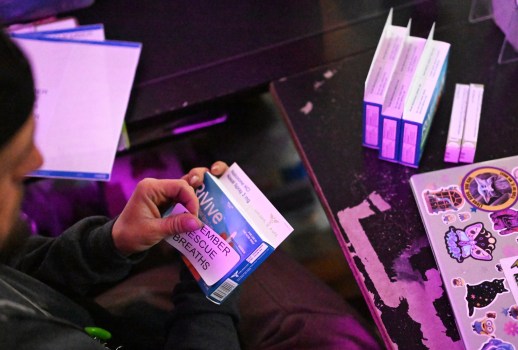
Residents of Colorado are increasingly accessing naloxone, an overdose-reversal medication, as both over-the-counter sales and hospital distributions rise. This initiative aims to combat the opioid crisis that has intensified across the United States. Naloxone, sold under the brand name Narcan, counteracts the effects of opioids, preventing respiratory failure during an overdose.
For over a decade, Colorado’s “standing orders” have permitted anyone to purchase naloxone without a prescription. Following a significant policy change in September 2023, the U.S. Food and Drug Administration approved over-the-counter sales, which has prompted increased public awareness and adoption of the lifesaving drug. A report by the Rand Corporation indicates that in the first year after the approval, Colorado residents purchased an impressive 743.7 doses of naloxone for every one million residents, surpassing the national average of 396 units per million and ranking second only to Oregon.
Sales of naloxone peaked shortly after it became available over the counter but diminished rapidly thereafter. Nationally, data shows that pharmacies dispensed nearly 18 units for every one unit sold over the counter, with state-funded programs distributing 30 units for each retail purchase. The cost of over-the-counter naloxone is approximately $40 for a two-pack of single-use sprays. While Medicaid covers naloxone in Colorado, some commercial insurance plans may impose co-pays, making prescribed doses potentially cheaper for patients who receive opioids for pain management.
Rachael Duncan, a pharmacist and associate director of the Naloxone Project, emphasizes the significance of over-the-counter naloxone as a means to increase accessibility. Yet, she notes that it remains less impactful than naloxone dispensed through pharmacies or nonprofit organizations. “Over-the-counter naloxone is an avenue to get naloxone into communities, but it pales compared to naloxone filled in pharmacies or distributed,” she stated.
The Harm Reduction Action Center in Denver, led by executive director Lisa Raville, highlights the critical role that lower-risk individuals can play in naloxone distribution. This strategy allows harm-reduction organizations to focus on individuals who are most likely to witness an overdose. Raville pointed out that those who use drugs often account for the majority of overdose reversals, as they are typically present during such incidents.
Despite the progress made, Raville expresses concern about potential future access issues if sustainable funding sources are not secured. The Colorado legislature allocated $20 million in 2022 for the Opioid Antagonist Bulk Purchase Fund, primarily funded by federal pandemic recovery resources set to expire by the end of 2026. This fund is essential for purchasing naloxone at reduced rates for distribution to organizations working with high-risk communities. According to Paul Bishop, spokesman for the Colorado Department of Public Health and Environment, the fund is projected to sustain its operations until December 2026.
In the fiscal year ending in June, the bulk fund distributed around 411,000 doses to approximately 390 organizations. However, Duncan warns that the dual goals of broadening naloxone availability and targeting high-risk individuals may create tension in funding allocation. She notes that naloxone’s long shelf life helps alleviate some concerns, as doses provided to those who may not need to use them immediately do not go to waste.
Most hospitals in Colorado are already equipped to offer naloxone to anyone treated for an opioid overdose, as well as to new mothers identified as high-risk. Duncan reports a notable decline in overdoses among new mothers, which dropped from 20 in 2022 to 8 in 2023, reflecting a 60% decrease. Overdoses among women of childbearing age also fell by 15% during the same period.
Montrose Regional Health is currently implementing a pilot program that provides naloxone to all pregnant patients during their first prenatal visit and when they take their newborns home. Jennifer Ackerman, director of women’s services at the hospital, noted that many women appreciate having naloxone available, citing potential future encounters with overdoses.
Children’s Hospital Colorado is exploring a similar approach, offering naloxone to families with infants in the neonatal intensive care unit, as well as to high-risk parents. Dr. Stephanie Bourque, a neonatologist at the hospital, advocates for making naloxone available to all parents during childbirth, considering the heightened overdose risk in the postpartum period.
The naloxone spray is designed to be user-friendly, although Raville cautions that those unfamiliar with drug use may mistakenly administer too much, mistakenly believing that the person experiencing an overdose needs to awaken immediately. Training is encouraged to ensure that responders can provide effective assistance while waiting for the drug to take effect.
Colorado’s commitment to naloxone accessibility has been consistent since 2015, when the legislature unanimously supported allowing doctors to issue standing orders. As public comfort with naloxone increases, more individuals are taking proactive measures, such as providing it to children heading to college.
“People don’t have to die of overdoses,” Raville firmly stated. The ongoing efforts in Colorado represent a significant step forward in addressing the opioid crisis, offering hope through increased access to lifesaving measures.
























