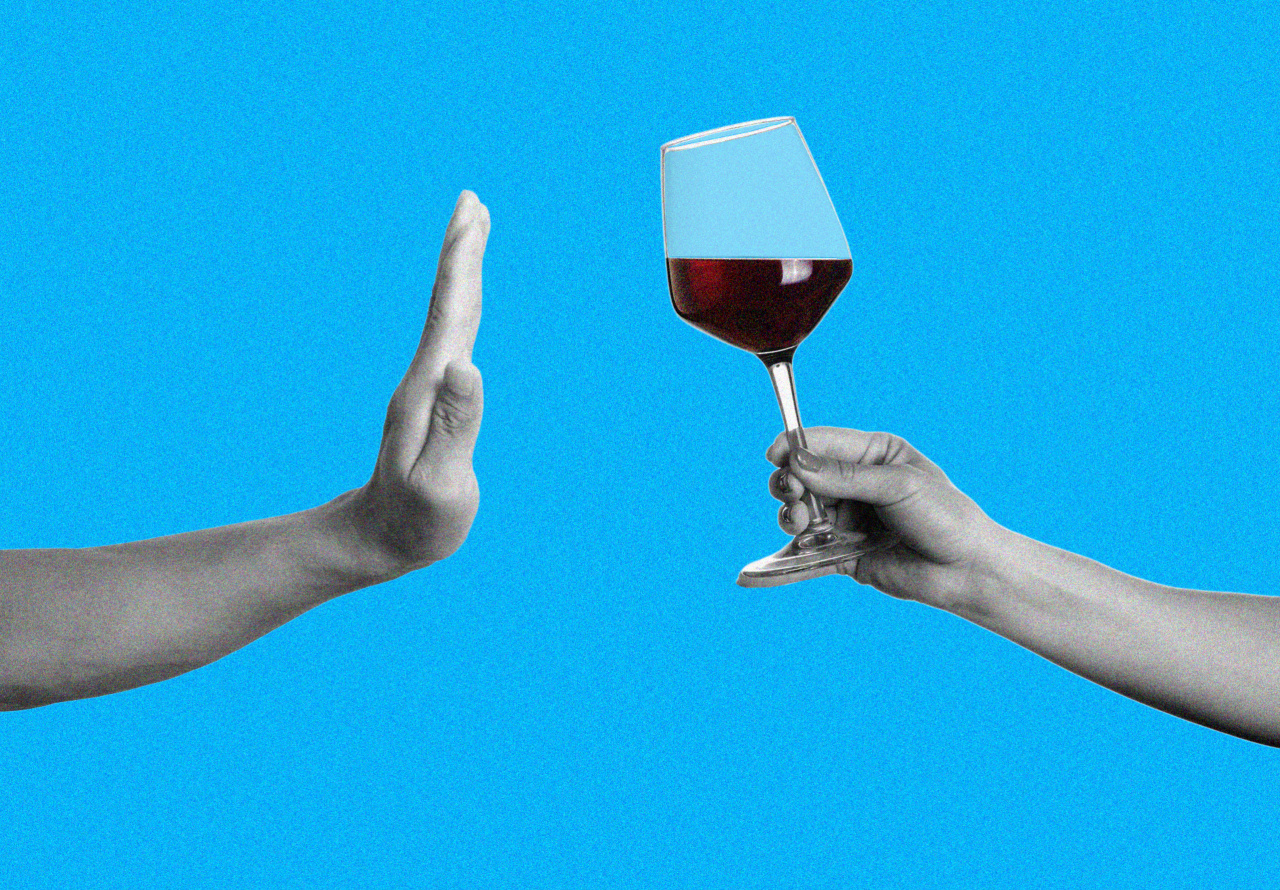
Alcohol consumption among Americans is on the decline this holiday season, with several factors contributing to this trend. Notably, the increasing use of weight-loss medications, such as semaglutide, appears to be influencing people’s drinking habits. As more individuals prioritize their health and weight management, they are opting for non-alcoholic alternatives or reducing their intake altogether.
Research from the Centers for Disease Control and Prevention (CDC) indicates that alcohol use has steadily declined in recent years, particularly among younger generations. The holiday season, typically characterized by festive gatherings and celebrations, is seeing a shift in how individuals approach alcohol consumption. According to data from the National Institute on Alcohol Abuse and Alcoholism (NIAAA), there has been a noticeable decrease in binge drinking and overall alcohol consumption across various demographics.
Health Consciousness Drives Change
One significant factor behind this trend is a growing awareness of health and wellness. Many individuals are becoming increasingly health-conscious, leading to a rise in the consumption of low-calorie and non-alcoholic beverages. The popularity of weight-loss drugs, which have been widely discussed in recent months, is prompting many to reconsider their drinking habits. As these medications gain traction, the impact on lifestyle choices, including alcohol consumption, becomes more pronounced.
Data from market research firm Statista shows that the sales of non-alcoholic drinks have surged by 25% this year alone. This rise suggests that consumers are actively seeking alternatives that align with their health goals. Furthermore, the trend is particularly evident among younger adults, who are less inclined to view alcohol as a necessary component of social gatherings.
Changing Social Norms
Another reason for the decline in alcohol consumption is the shift in social norms surrounding drinking. As society becomes more accepting of sobriety and non-drinking lifestyles, individuals feel less pressure to consume alcohol during social events. Communities are increasingly organizing events that focus on wellness and alternative entertainment options, offering people a chance to socialize without the influence of alcohol.
This cultural shift is also reflected in the rise of sober-curious movements, which encourage individuals to explore life without alcohol. Initiatives that promote mindful drinking or abstaining from alcohol altogether are gaining traction, particularly during the holiday season. Many organizations are hosting events that emphasize health and wellness, further contributing to this trend.
The combination of health consciousness, changing social norms, and the influence of weight-loss drugs is reshaping the way Americans approach alcohol consumption. As the holiday season unfolds, it will be interesting to see how these trends continue to evolve and what lasting impacts they may have on drinking culture in the United States.