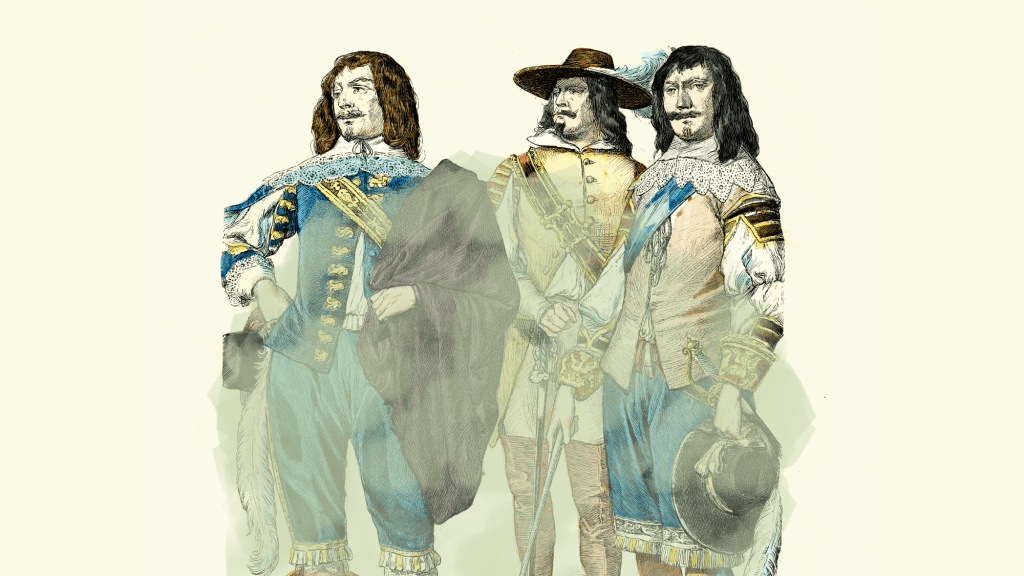
The 17th century witnessed the creation of an unusual device known as the vanvera, designed to help aristocrats discreetly manage a common yet socially embarrassing bodily function—flatulence. This peculiar invention reflected the lengths to which members of the upper class would go to maintain their decorum during social gatherings, especially at dinner.
The vanvera, now featured at the Sex Machines Museum in Prague, is a small leather pouch that would rest against the wearer’s backside. Its primary function was to trap both sound and odor, allowing individuals to relieve themselves without disrupting the atmosphere of refined dining. Once the situation permitted privacy, the pouch could be emptied by hand, showcasing a blend of social etiquette and practical engineering.
Historical Context and Variations
Although the origins of the vanvera are somewhat murky, historians note its prevalence in Europe during the 1600s, particularly in Italy, where strict social etiquette placed a premium on maintaining one’s reputation. Some claims suggest links to ancient civilizations, such as Egypt and Rome, but there is insufficient evidence to support these assertions.
According to Venezia Today, the vanvera came in various forms. The most basic version was a simple leather sack worn discreetly under skirts. Wealthier individuals took innovation a step further, employing elaborate piping systems that directed nighttime flatulence out of windows into the open air. This extravagant solution highlighted the lengths to which aristocrats would go to protect their image, prioritizing reputation over comfort.
There were also more innovative—and ultimately unsuccessful—design attempts. One described version included a metal vanvera fitted into undergarments and filled with dried herbs like lavender and rosemary. The intention was for gas to pass through and emerge with a pleasant scent, likened to “a breeze from the fields of Provence.” However, this version failed to mask the sound, defeating its purpose of social discretion.
Enduring Embarrassment and Changing Times
The fascination with the vanvera lies not only in its absurdity but also in the timeless human experience of bodily embarrassment. As societal norms evolve, so too do the methods employed to navigate such discomforts. While the vanvera was never widely adopted and eventually faded from use as fashion and sanitation improved, its existence serves as a reminder that the desire for dignity has long driven human innovation.
Despite the emergence of modern solutions, such as scented candles and polite excuses, the commitment of the aristocracy to engineering a solution to maintain their social standing is admirable. The vanvera remains a curious artifact of a time when maintaining reputation required tangible inventions, highlighting the interplay between human biology and societal expectations throughout history.