








































The year 2025 was marked by a series of impactful stories that resonated within the art community, highlighting issues of justice, recognition, and resilience. Valentina Di Liscia, senior editor at Hyperallergic, reflects on the significant narratives that not only shaped the publication’s direction but also underscored the ongoing struggles faced by marginalized voices in the art world.
Di Liscia begins by acknowledging her mixed feelings towards the holiday season, noting it often leaves her feeling disconnected. Yet, the arrival of the New Year fills her with optimism and a sense of renewal. This enthusiasm for fresh starts aligns with her role at Hyperallergic, where she embraces challenges and seeks to amplify underrepresented stories.
Highlighting Underrepresented Voices
One of the standout pieces in 2025 came from staff writer Isa Farfan, who explored the lives of figure-drawing models advocating for fair recognition and wages. This story exemplifies Hyperallergic‘s commitment to shedding light on communities that are integral yet often overlooked in the art industry. Farfan’s investigations included interviewing artists affected by the Deferred Action for Childhood Arrivals (DACA) program and reporting on the repercussions of former President Donald Trump’s ban on diversity, equity, and inclusion initiatives.
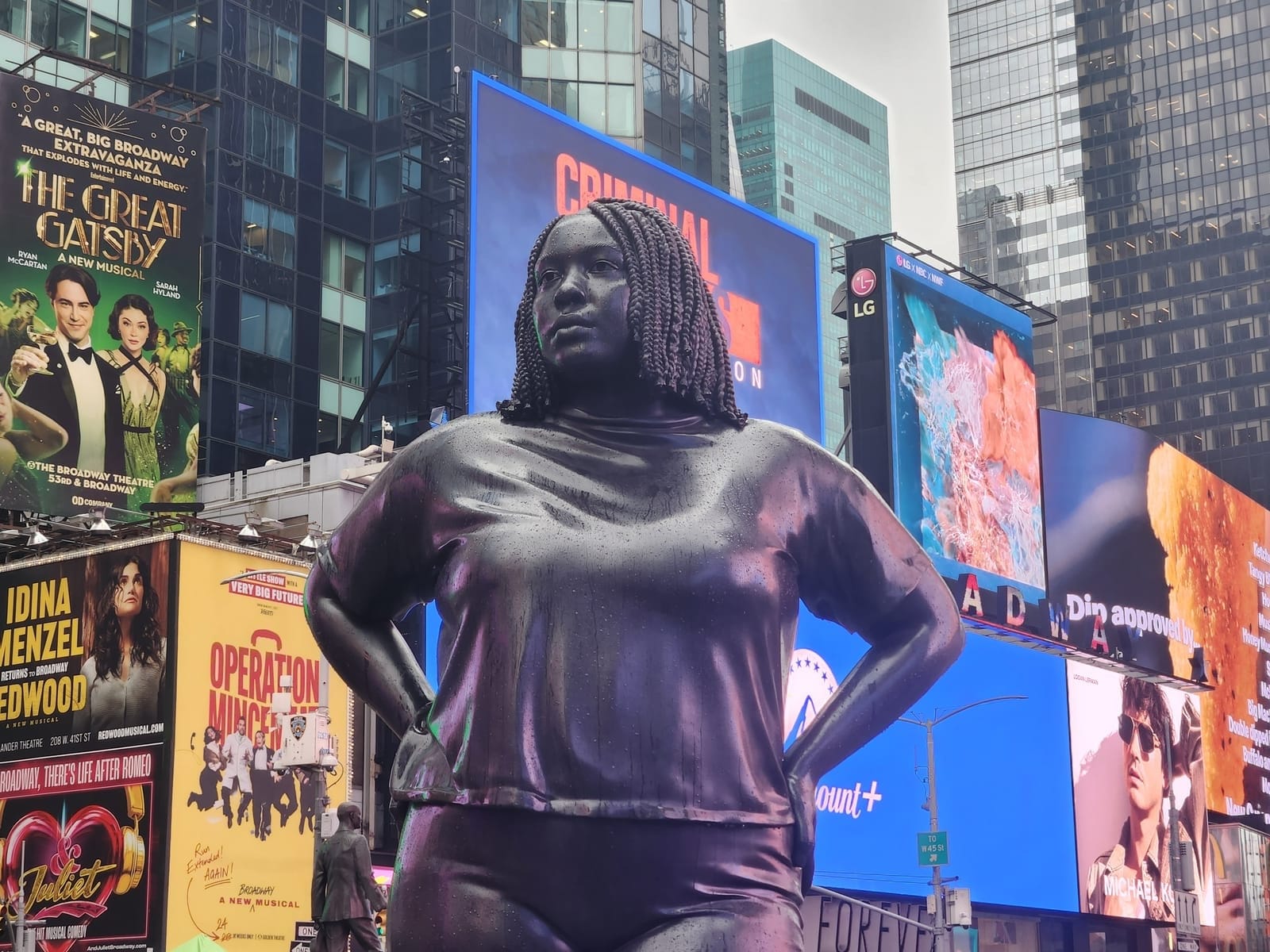
Meanwhile, staff writer Rhea Nayyar provided an on-the-ground account of artist Thomas J. Price’s new sculpture in Times Square. Her report demonstrated how the experience of public art differs vastly from the discussions held in online forums. Nayyar also tackled ethical questions surrounding art in jails and examined the impact of tariffs on art supplies, showcasing her dedication to exploring complex issues within the art community.
The year began with a devastating series of wildfires in Los Angeles County, which displaced thousands. Matt Stromberg, the publication’s Los Angeles correspondent, covered this unfolding tragedy by documenting the stories of artists who lost their homes and livelihoods. His compelling narrative focused on the cultural heritage of the area, including a particularly moving account of Jorge Cruz, a street vendor and green card holder, who was wrongfully detained by ICE.
Stories That Challenge the Status Quo
Throughout 2025, Hyperallergic published numerous articles that challenged institutional practices and demanded accountability. La Tanya S. Autry reflected on the ethical implications of exhibiting the gun that killed Emmett Till, questioning the neutrality often claimed by museums. Similarly, writer Sarah Bond critiqued the exclusion of queerness in discussions about ancient military history, particularly in relation to Elon Musk’s perspectives.
Other notable contributions included Laurie Gwen Shapiro‘s fascinating feature on an Eva Hesse painting discovered at a Goodwill auction and Zoë Lescaze‘s heartfelt remembrance of artist Jackie Ferrara, who passed away in 2025. These stories not only celebrate artistic achievements but also reflect on the legacies that shape the contemporary art narrative.
Di Liscia also emphasized her own articles that addressed pressing issues, including the threats to Indigenous heritage and the significant victory of Tamara Lanier against Harvard University, which had held onto daguerreotypes of her enslaved ancestors for over a century.
As the year draws to a close, Di Liscia urges readers to recognize the importance of independent journalism in the art world. Hyperallergic operates free from external influences, allowing the publication to report on stories that matter without fear of censorship.
In her closing remarks, Di Liscia invites readers to support independent art media, emphasizing that the funding from their audience is crucial for continuing this vital work in 2026 and beyond.
With a sense of hope and determination, she wishes everyone a Happy New Year, setting an optimistic tone for the stories yet to unfold in the coming year.
























