








































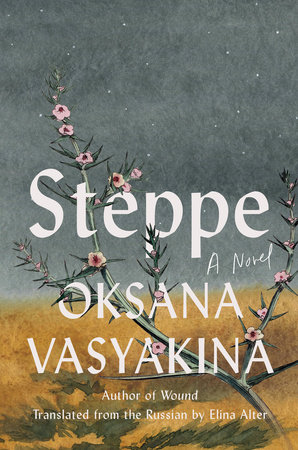
The steppe, a vast expanse of rolling terrain in Russia, offers a unique glimpse into the life of long-distance truck drivers. In her work, Oksana Vasyakina captures this raw landscape, detailing the experiences of her father, a truck driver navigating the challenges of transporting goods across the region. Through vivid imagery and personal anecdotes, Vasyakina illustrates both the beauty and the harsh realities of life in the steppe.
The Steppe’s Allure and Perils
Vasyakina describes the steppe as a mesmerizing sight from an airplane, comparing it to “sinewy pieces of yellow meat” with dark-orange and gray hues that suggest life beneath its surface. This environment is not a barren desert; it thrives with gray and blue grasses, insects, and wildlife, including eels and snakes. Yet, driving through this landscape poses risks. Her father repeatedly cautioned against straying off the paved roads, as the soft earth could easily ensnare a heavy truck.
On one occasion, while driving towards Volgograd in a MAZ truck loaded with steel pipes, Vasyakina’s father encountered a life-threatening situation. After a night of little sleep, he dozed off at the wheel, only to be jolted awake by the sound of a crash. Two intoxicated traffic officers had collided with his truck while speeding in the opposite lane. The incident left them dead, and her father felt no guilt, believing it was an act of fate. “So now I got back at them for everybody,” he remarked, suggesting a sense of twisted justice.
Transporting Goods and Life on the Road
Vasyakina’s father preferred transporting steel pipes over other cargo, such as chickens or watermelons, which brought their own set of complications. Dead chickens would rot in the heat, while watermelons would spoil and create a mess. In contrast, pipes were straightforward; they did not spoil or attract thieves, making transport easier and less stressful.
Once, while waiting in the steppe for a loading operation that was delayed due to equipment failure, Vasyakina and her father made the best of their situation. They camped out in their truck for five days, living off supplies they had brought along. “Waiting became more interesting,” she reflects, as they adapted to the slow pace of life in the vast landscape.
Her father often expressed a deep connection to the steppe, seeing it as his true home. Despite lacking ownership of much in life—his truck, his garage space—he found comfort in the expansive freedom the steppe offered. “The steppe went on and on,” he would say, appreciating its openness and the ability to spot any dangers from afar.
However, the steppe was not without its challenges. Vasyakina notes the harshness of the environment, particularly at night when the sounds of insects and the stillness of the air made sleep difficult. The overwhelming sensations of the steppe contributed to an acute awareness of existence, both exhilarating and oppressive.
Her father’s relationship with money further complicates their life on the road. He often spent his earnings on truck maintenance, struggling to save for anything substantial. “He simply borrowed a car from someone he knew,” Vasyakina explains, illustrating the precarious nature of their lives as truck drivers.
As 2026 approaches, the landscape and challenges of the steppe remain unchanged. Vasyakina’s work serves as a poignant reminder of the complexities faced by those who traverse these lands, revealing a world that is both beautiful and unforgiving. The stories of her father and the steppe resonate, highlighting the enduring spirit of those who navigate the vastness in search of a living.
























