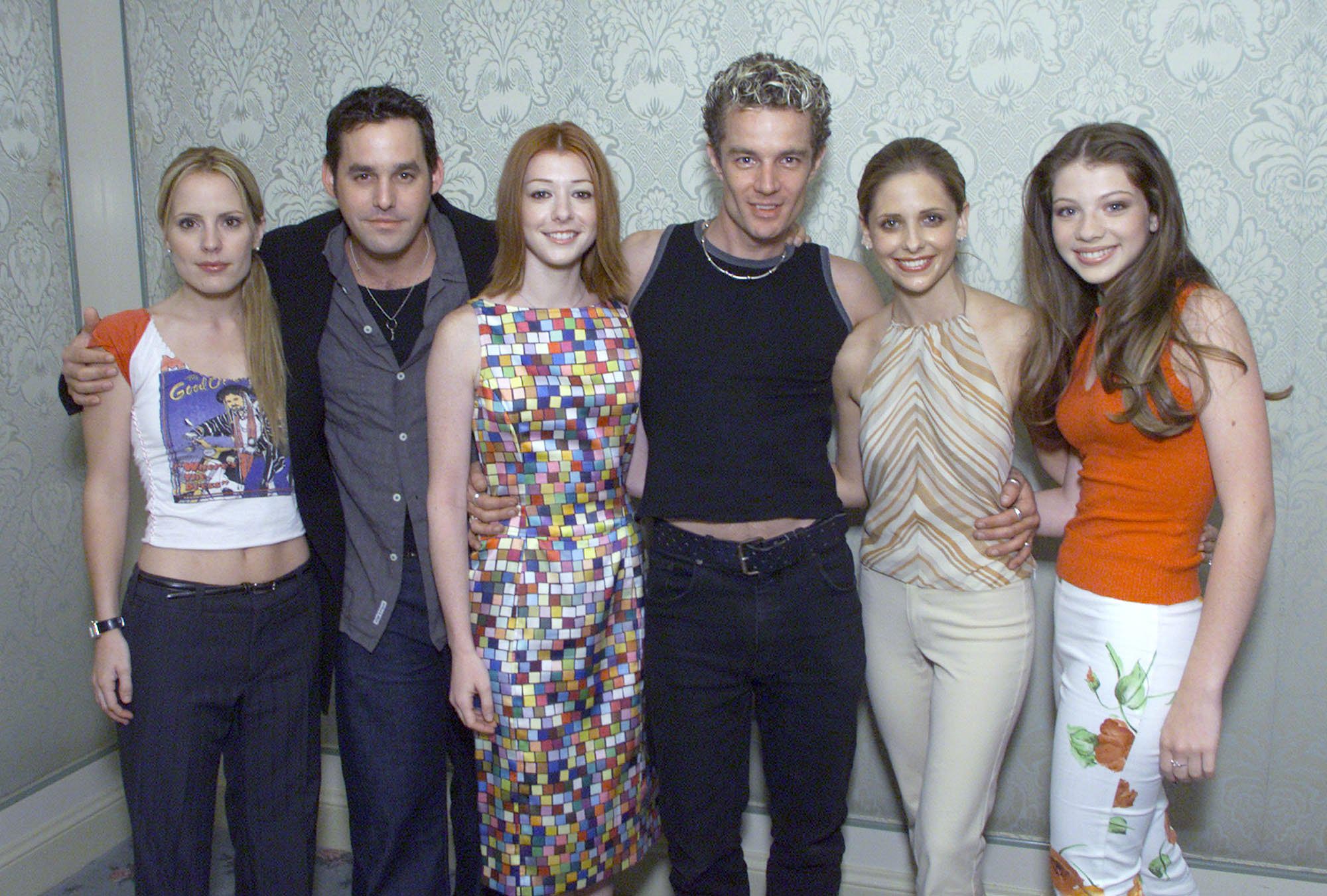
The emotional weight of a pivotal moment in television history continues to resonate as fans of *Buffy the Vampire Slayer* reflect on the impactful death of Joyce Summers, portrayed by Kristine Sutherland. This moment, which occurred in season 5, episode 16, titled “The Body,” aired in February 2001 and has left an indelible mark on viewers and the show’s cast alike.
In an exclusive interview with *Us Weekly*, Sutherland discussed the profound emotions surrounding the episode. The unexpected death of Joyce, Buffy’s mother, from a brain aneurysm, was a departure from the series’ typical supernatural themes, bringing real-world grief into the narrative. “It was really heavy,” Sutherland remarked, emphasizing the episode’s emotional depth.
Behind the Scenes of a Landmark Episode
The episode was co-written by series creator Joss Whedon, alongside Rebecca Kirshner and Steven S. DeKnight. Sutherland revealed that she was the only cast member informed of her character’s fate ahead of time. “Joss asked me to tell no one, so I told no one,” she explained. The secrecy surrounding Joyce’s death added a bittersweet layer to Sutherland’s remaining time on set.
The reactions from the cast highlighted the episode’s intensity. Sarah Michelle Gellar, who played Buffy, expressed her discontent with the decision to kill Joyce. “I tried so hard to talk him out of it,” Gellar told *Entertainment Weekly* in a previous interview. Sutherland echoed the heavy atmosphere on set, stating, “It felt like somebody had died.”
The opening scene of “The Body” marks a striking moment in television history. Buffy returns home to find her mother lifeless on the couch, a moment that Sutherland described as “so emotional.” The stark portrayal of death, combined with the absence of music throughout the episode, allowed viewers to feel the crushing silence that enveloped the characters, illustrating the theme that “the world just stopped” when Joyce died.
A Lasting Legacy of Grief and Healing
Reflecting on the episode’s impact, Sutherland shared her sense of honor in participating in a story that resonated deeply with audiences. She recalled her personal experience with loss at a young age, recalling, “I lost my boyfriend when I was 16. I remember those feelings so clearly because I had no concept of death.”
Over the years, many fans have approached Sutherland, expressing how “The Body” helped them process their own grief. “All these young people over the years have come up to me and gone, ‘I lost my mother, I lost my father, and this episode helped me to deal with that and understand it,’” she noted. The episode has been recognized by multiple outlets, with *Rolling Stone* ranking it among the top ten best *Buffy* episodes of all time and *The Guardian* placing it in the top five.
At the time of its airing, themes of grief and loss were not commonly explored in popular television. Today, series such as *Six Feet Under*, *This Is Us*, and *A Million Little Things* engage with similar narratives, showcasing how *Buffy the Vampire Slayer* paved the way for more authentic portrayals of human emotions.
Sutherland reflected on the ongoing relevance of “The Body,” stating, “It gets me every time.” The episode remains a touchstone for discussions about loss and its effects on individuals and families.
While Joyce Summers was not a regular presence in the later seasons, the character appeared in flashbacks and dream sequences, providing fans with a sense of continuity. Following her stint on *Buffy*, Sutherland continued her career in television and film, notably starring in *One Life to Live* in 2010 and *Russian Doll* in 2016. She now embraces her role as a grandmother, looking forward to introducing *Buffy* to the next generation.
Meanwhile, Gellar is set to executive produce a revival titled *Buffy the Vampire Slayer: New Sunnydale*, alongside notable figures like Dolly Parton and director Chloé Zhao. Gellar expressed her gratitude for the opportunity, stating, “I feel very lucky” about the new project.
As the series continues to inspire and connect with audiences, Sutherland remains proud of her legacy in creating a powerful narrative that resonates with themes of loss, love, and resilience.