








































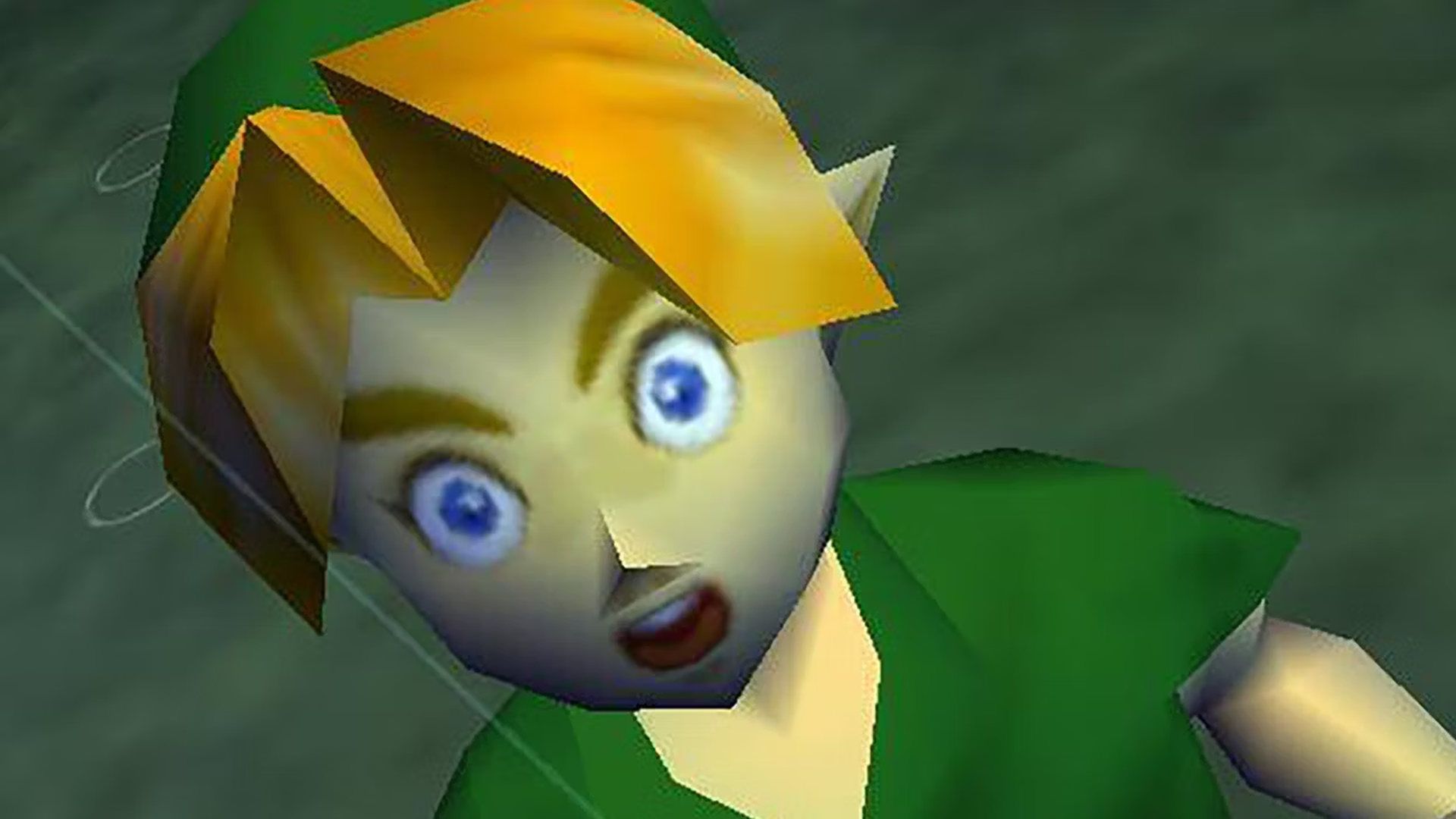
Video game composer Koji Kondo shared insights into his decision to exclude the original overworld theme from the acclaimed title, The Legend of Zelda: Ocarina of Time. In a 1999 interview with 64 Dream magazine, Kondo explained that he aimed to provide a fresh auditory experience for players, particularly given the game’s transition to a new 3D format on the Nintendo 64.
Kondo expressed concerns about the repetitiveness of using the same melody throughout the vast expanses of Hyrule Field. He stated, “I thought it’d get boring and repetitive to hear the same melody all the time, so I decided to make a variety of music that would never get boring, with additional music and effects depending on Link’s status.” This revelation, initially found in a translated excerpt from an untranslated Japanese magazine, highlights Kondo’s innovative approach to game music composition.
Rediscovering History
The translation of Kondo’s comments was first noted by Javed Sterritt on his blog, Good Blood, showcasing the ongoing challenges in documenting video game history. Although gaming enthusiasts regularly explore elaborate wikis and YouTube videos dedicated to gaming trivia, significant insights can still remain obscure. In this case, Kondo’s rationale for altering the music in Ocarina of Time had eluded fans for decades, despite its relevance to the game’s legacy.
As a pivotal title in the Zelda franchise, Ocarina of Time has had a lasting impact on both players and the gaming industry. The game’s soundtrack has garnered a dedicated following, with fans often reminiscing about its themes. Kondo’s decision to innovate and adapt the musical landscape for a new generation of gamers reflects a broader trend within the industry towards experimentation and evolution.
The Influence of Nostalgia
Notably, Kondo’s decision to forgo the original theme did not go unnoticed by fans. The overwhelming sentiment among players contributed to the original overworld theme’s reintroduction in Majora’s Mask, another installment in the Zelda series that embraced a distinctly offbeat tone. Fans have often debated the merits of both soundtracks, with many acknowledging the grandeur and adventure encapsulated in the original theme.
Despite Kondo’s intent to refresh the series’ musical identity, the nostalgic connection many gamers have with the original theme remains strong. The enduring legacy of Ocarina of Time continues to influence new generations, raising questions about how musical choices shape the gaming experience.
Ultimately, Kondo’s desire to innovate in The Legend of Zelda: Ocarina of Time exemplifies the balancing act that creators must perform between honoring tradition and embracing new ideas. As this iconic game celebrates its legacy, it serves as a testament to the power of music in shaping unforgettable gaming moments.
























