








































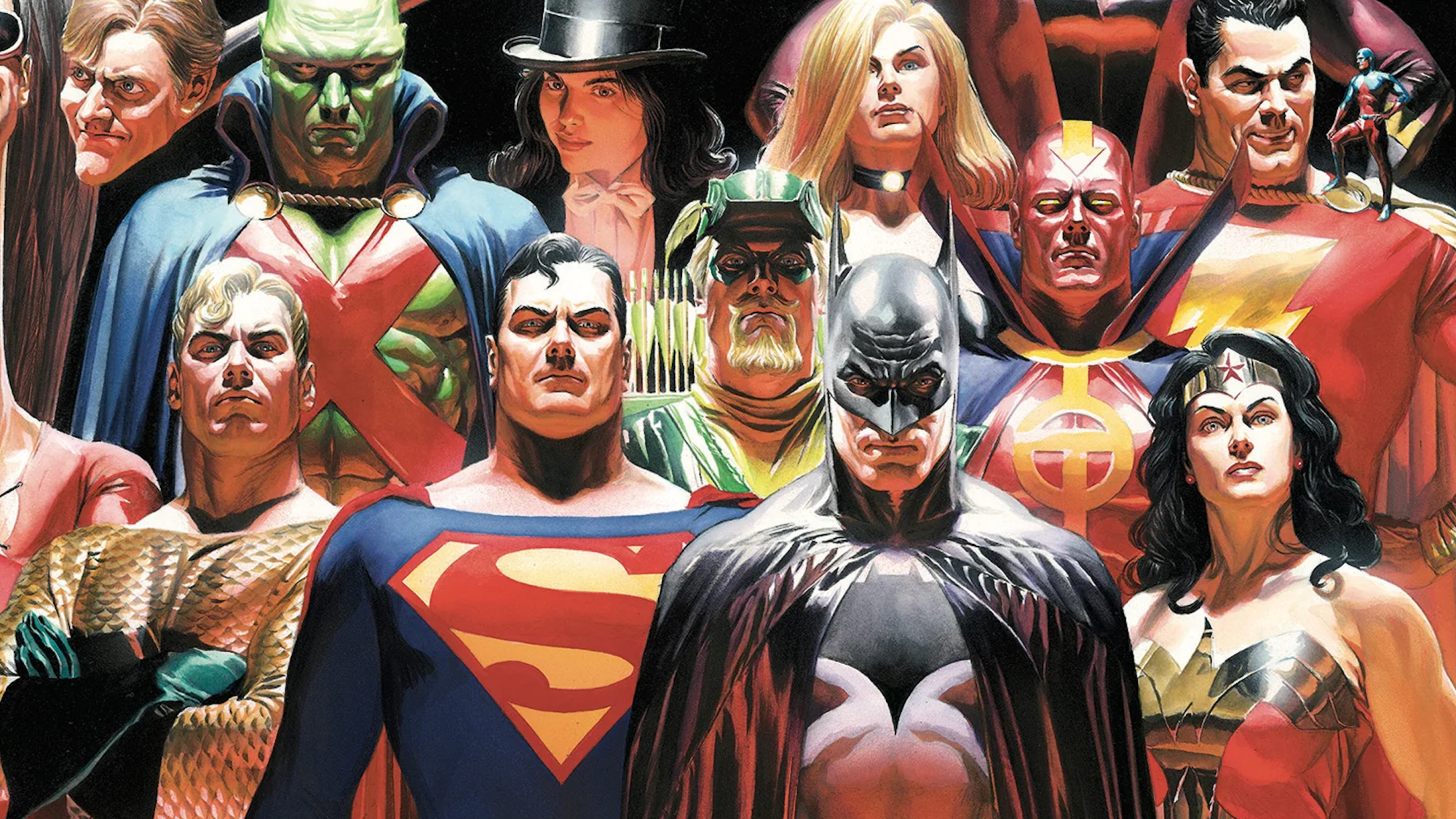
The Justice League, a cornerstone of DC Comics, has captivated audiences for over six decades with its iconic roster of superheroes. From epic battles against formidable foes to intricate character developments, the Justice League has delivered some of the most compelling narratives in comic book history. This article explores ten of the best storylines that have defined the League, highlighting their significance in the DC Universe.
Epic Battles and Transformative Narratives
Starting with “Darkseid War,” one of the standout stories from the New 52 era, this narrative showcases a climactic conflict between two of DC Comics’ most formidable villains: Darkseid and the Anti-Monitor. To prevent their catastrophic war from destroying Earth, the Justice League forms an unlikely alliance with Lex Luthor and the Crime Syndicate. As the stakes rise, several League members undergo transformations, gaining god-like powers. This action-packed saga not only features breathtaking moments but also introduces Darkseid’s daughter, Grail, who plays a pivotal role in the unfolding chaos.
In “JLA: The Nail,” a thought-provoking Elseworlds story, the narrative illustrates how seemingly minor events can drastically alter the course of history. The storyline begins with the Kents missing Kal-El’s arrival on Earth due to a flat tire. Fast forward decades, and a world without Superman is portrayed, where fear and distrust towards the Justice League dominate public perception. This narrative compellingly explores the significance of Superman and the Justice League in a society that has forgotten them.
Another historic moment for the League is captured in “Justice League of America #21-22,” which marked the first crossover between the Justice League and the Justice Society of America in 1963. As villains from Earths One and Two join forces, the two superhero teams unite to combat this threat, establishing a tradition of multiverse storytelling that continues to resonate within DC Comics.
Resilience and Character Development
“Dark Nights: Death Metal” serves as the grand finale of the Dark Multiverse saga, where the Justice League must rally against a world consumed by darkness. Led by Wonder Woman, the heroes confront the apocalyptic reality created by the Batman Who Laughs. This storyline is notable for its gripping artwork and emotional moments, culminating in an epic battle reminiscent of cinematic spectacles like “Avengers: Endgame.”
“Justice,” a tribute to the Silver Age of comics, takes a darker turn as the Legion of Doom decides to eliminate the Justice League. By exploiting the heroes’ weaknesses, the Legion launches a series of attacks that highlight the intense vulnerabilities of even the most powerful characters. This narrative not only offers stunning visuals but also engages readers with in-depth character studies.
Grant Morrison’s “New World Order” revitalizes the Justice League by bringing together a formidable roster that includes Superman, Batman, and Wonder Woman. This storyline introduces a new superhero team, the Hyperclan, whose hidden motives threaten humanity. Morrison’s engaging writing captures the essence of teamwork as the Justice League faces a formidable challenge.
“DC: New Frontier” offers a glimpse into the 1950s, a time rife with societal tensions during the Cold War. Here, superheroes are marginalized by the government while facing a Lovecraftian threat. This narrative not only delves into the character arcs of heroes like Green Lantern and Martian Manhunter but also reflects the era’s underlying themes of fear and division.
Exploring the darker aspects of heroism, “Tower of Babel” illustrates the consequences of misplaced trust when Ra’s al Ghul uses Batman’s contingency plans to incapacitate the Justice League. This emotionally charged tale reveals the fragility of relationships within the team, as they confront the betrayal from one of their own.
“Rock of Ages,” another masterpiece by Grant Morrison, presents a gripping narrative where Lex Luthor assembles the Injustice Gang to take down the Justice League. The stakes are raised when Green Lantern, Flash, and Aquaman are transported to a dystopian future ruled by Darkseid. This storyline demands the heroes to fight for both their present and future, showcasing the depth of their character arcs.
Lastly, “Kingdom Come” stands as a hallmark of comic storytelling, pitting the values of two generations of heroes against each other. Following a disaster that prompts Superman to retire, a new era of violent anti-heroes emerges. Ultimately, Superman returns to lead a new Justice League, addressing the tensions between the old and new guard. This narrative serves as a reflective piece on heroism, responsibility, and the quest to regain humanity’s trust.
The Justice League’s significant storylines not only provide thrilling escapism but also reflect deeper societal issues and character growth. As the League continues to evolve, these narratives remain essential to understanding its legacy within the broader DC Comics universe.
























