








































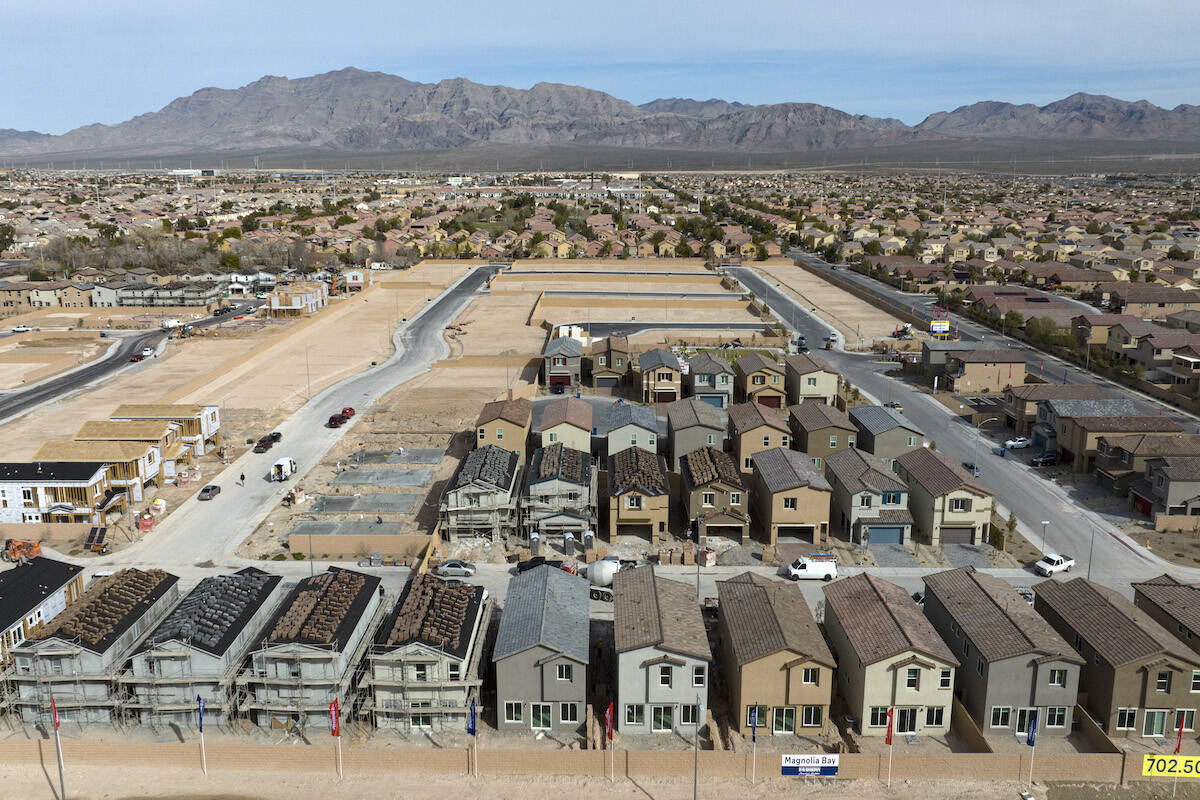
In a recent letter to the editor, Kent Davidson emphasized the need for the federal government to release more land for development as a means to address rising housing costs. Davidson’s argument highlights a growing concern over urban sprawl and its implications for infrastructure and community sustainability.
Davidson suggests that expanding suburban development towards areas such as Mount Charleston and Pahrump, extending to the California border, may provide an immediate solution to housing shortages. However, he warns that this approach is not without its drawbacks. While it may alleviate some pressure on the housing market in the short term, sprawling development can complicate long-term infrastructure maintenance and community cohesion.
Short-Term Gains vs. Long-Term Consequences
The concept of urban sprawl often involves the rapid expansion of residential areas into previously undeveloped land. Advocates argue that increasing the availability of land for housing can lead to lower prices and greater accessibility for families. Yet, detractors point out that such growth typically necessitates significant investment in roads, utilities, and services.
Davidson’s letter raises critical questions about the sustainability of sprawling infrastructure. As new developments emerge, the burden of maintaining extensive road networks and public services can become overwhelming for local governments. This, in turn, can lead to higher taxes and diminished quality of life for residents.
Environmental concerns also play a significant role in the discussion around sprawl. Expanding into rural areas can disrupt ecosystems and lead to habitat loss for wildlife. Many urban planners advocate for more compact, mixed-use developments that prioritize public transport and walkability over further land consumption.
Exploring Alternative Solutions
Addressing the housing crisis requires a multifaceted approach. While increasing available land is one potential strategy, urban planners and policymakers are also exploring innovative solutions such as increasing density in urban centers, incentivizing affordable housing developments, and improving public transportation systems.
Community engagement is essential in these discussions. Residents must have a voice in shaping the development of their neighborhoods. This not only fosters a sense of ownership but also ensures that the growth aligns with the needs and values of the community.
As the conversation around urban development continues, it is clear that balancing immediate housing needs with long-term sustainability will be crucial. Policymakers and urban planners must carefully consider the implications of their decisions to create livable, vibrant communities for future generations.
























