








































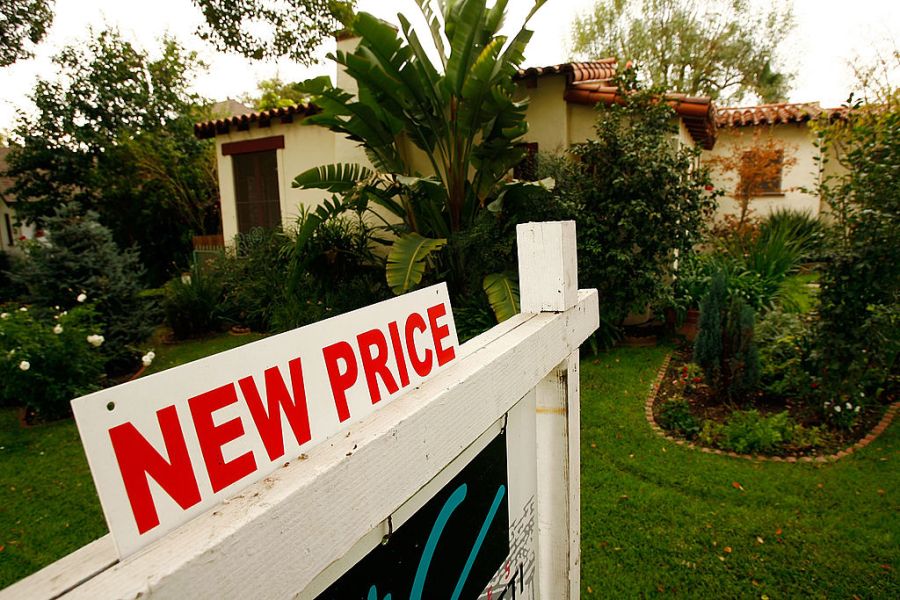
Former President Donald Trump has unveiled a plan aimed at addressing the escalating housing costs in the United States by imposing restrictions on institutional investors. This initiative, presented in March 2024, seeks to deter large investment firms from purchasing residential properties, a move Trump argues will enhance affordability for average homebuyers.
Housing experts are expressing skepticism regarding the effectiveness of this approach. Many believe that limiting institutional investors will not lead to substantial improvements in housing affordability across the nation. According to a recent report by the National Association of Realtors, institutional investors accounted for approximately 30 percent of home purchases in 2023, contributing to rising home prices and rental costs.
Analysis of the Proposal’s Implications
Trump’s plan comes as a response to increasing public outcry over housing accessibility. With home prices in some metropolitan areas surging to record highs, many Americans are struggling to enter the housing market. The former president’s proposal aims to curb the influence of institutional investors, which he claims drive prices beyond the reach of ordinary buyers.
Critics argue that while the proposal might target a significant component of the housing market, it fails to address the underlying issues contributing to the affordability crisis. Mark Zandi, chief economist at Moody’s Analytics, stated, “Limiting institutional investors might provide temporary relief, but it does not solve the fundamental problems of supply and demand that underlie high housing prices.”
The ongoing housing crisis is characterized by a severe shortage of new homes, with the U.S. Census Bureau reporting that new housing starts fell by 8 percent in 2023. This decline exacerbates the competition for existing homes and drives prices upward. Thus, while Trump’s strategy may resonate with voters frustrated by high housing costs, experts caution that broader reforms are needed to create a sustainable solution.
Potential Effects on the Housing Market
If implemented, Trump’s proposal could significantly alter the dynamics of the housing market. Institutional investors often acquire properties to convert them into rental units, which can lead to increased competition for homes and rising rents. By limiting their purchasing power, the intention is to allow more first-time buyers to enter the market.
In regions heavily impacted by institutional investment, such as Atlanta and Phoenix, the effects could be more pronounced. However, the potential for a moderate decrease in prices might not be enough to alleviate the ongoing affordability crisis. Homeownership rates remain at historical lows, with only 65 percent of Americans owning homes, compared to 69 percent pre-2008 financial crisis.
Many believe that further measures, such as increasing housing supply through new construction and reforming zoning laws, are essential to truly address the affordability issue. Policymakers are considering various strategies to stimulate the housing market, but Trump’s focus remains on curtailing institutional investments.
As discussions around Trump’s proposal continue, the debate over the role of institutional investors in the housing market is likely to intensify. The implications of this plan could resonate beyond the political sphere, impacting families seeking affordable housing and shaping the future landscape of real estate in the United States.
























