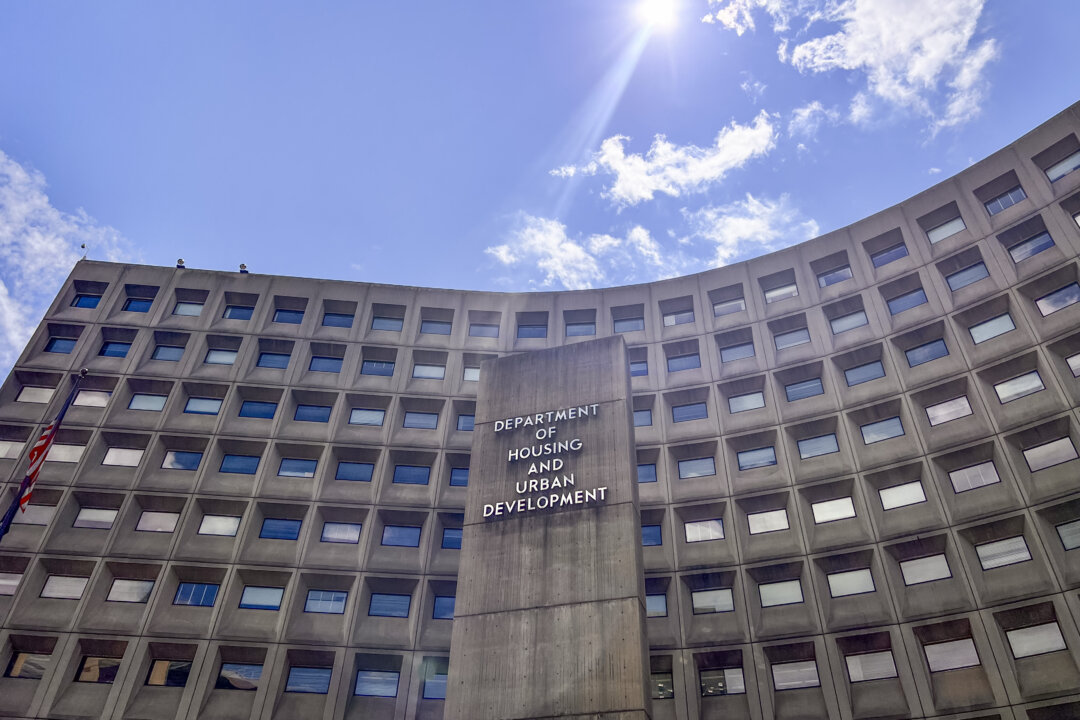
The Department of Housing and Urban Development (HUD) has initiated immediate citizenship verification for all recipients of HUD-funded housing across the United States. This directive aims to ensure that federal housing benefits are allocated only to eligible individuals, addressing concerns about ineligible applicants, including illegal immigrants. The announcement was made in a statement issued on January 23, 2024.
Following an audit conducted in collaboration with the Department of Homeland Security, HUD identified approximately 200,000 tenants who require eligibility verification. Among these, nearly 25,000 tenants were found to be deceased, and nearly 6,000 were identified as ineligible non-American tenants. These figures highlight the need for stringent verification processes to maintain the integrity of federally funded housing programs.
Mandatory Actions for Public Housing Authorities
HUD has mandated that all Public Housing Authorities (PHAs) and property owners involved in HUD-funded housing must take corrective action within the next 30 days. This includes a thorough review of the EIV-SAVE Tenant Match Report. The Enterprise Income Verification System (EIV) is designed to minimize program errors and ensure that limited federal resources are allocated to eligible families.
In its statement, HUD emphasized the importance of these measures: “All PHAs and owners participating in HUD-funded housing have 30 days to take corrective action to address these findings.” This directive is part of a broader effort to improve oversight and accountability within the housing assistance programs.
Impact on Tenants and Housing Authorities
The implications of this verification process are significant, not only for the tenants involved but also for the PHAs managing these housing units. Tenants may face increased scrutiny regarding their eligibility, which could lead to potential disruptions in their housing status. For the PHAs, the requirement to conduct these verifications adds an additional layer of administrative responsibility.
Officials have underscored that the goal of these verification measures is to ensure that federal housing programs serve the intended population. By reducing errors and ensuring compliance, HUD aims to enhance the effectiveness of its assistance programs.
As the 30-day window for compliance begins, PHAs and property owners are expected to act swiftly to address these findings. The outcomes of this initiative will likely influence future policies and practices surrounding eligibility verification in HUD-funded housing.
This announcement marks a significant step in the ongoing efforts to uphold the integrity of housing assistance programs in the United States, ensuring that benefits reach those who truly qualify for them.