








































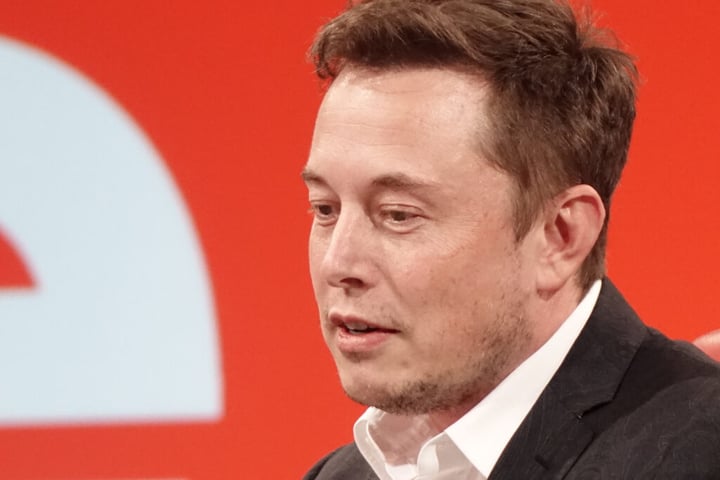
Elon Musk, the CEO of Tesla and SpaceX, has raised concerns about the effectiveness of taxing billionaires to alleviate the United States’ growing national debt. In a post on X in 2023, Musk stated, “Even if you tax every billionaire in America at 100%, it barely makes a dent in the national debt.” His comments highlight the reality that the fiscal challenges facing the government are far more complex than simply targeting the wealthiest individuals.
Understanding the Scale of National Debt
As of early 2023, the U.S. national debt was approximately $31 trillion. Recent data from the U.S. Treasury reveals that this figure has escalated to about $38.82 trillion, marking an increase of roughly $7.8 trillion in just three years. Musk argues that even if the government were to seize all $8.1 trillion of the collective net worth of America’s billionaires, it would only cover about 20% of the current national debt. This scenario would also be a one-time solution, as federal spending would continue to rise.
Musk emphasizes the scale and ongoing nature of federal expenditures. The U.S. government now spends more than $7 trillion a year, and the persistent gap between spending and tax revenue contributes to annual deficits. This trend is compounded by increasing interest payments as interest rates rise and the debt continues to expand.
The Structural Nature of the Debt Crisis
Economists frequently describe the U.S. debt issue as structural, underscoring that the gap between government spending and revenue generates ongoing financial challenges. Musk’s statement reflects a broader truth: taxing billionaire wealth, while appealing, would not eliminate the deficit or halt the growth of the national debt.
The implications of this situation extend beyond billionaire taxation. Over time, the burden of debt is likely to be distributed more widely among taxpayers through various means, including increased taxes, inflation, or reductions in government spending. As the national debt continues to rise, the fiscal debate in Washington remains largely unchanged, even as the numbers grow more daunting.
Musk’s remarks serve as a reminder that the conversation around fiscal responsibility must consider the larger economic framework. While targeting the wealthiest Americans may seem like a straightforward solution, it fails to address the underlying issues driving the national debt. The ongoing fiscal challenges highlight the need for comprehensive discussions on government spending and revenue generation.
As the national debt approaches new heights, the urgency for a sustainable fiscal strategy becomes increasingly clear. The complexities of government finance require a nuanced approach that goes beyond simplistic solutions.
























