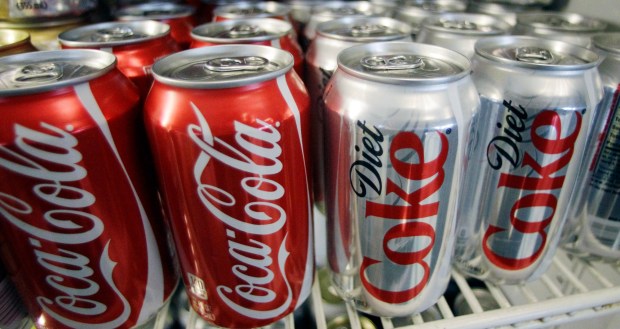
Colorado’s initiative to prohibit recipients of the Supplemental Nutrition Assistance Program (SNAP) from using funds on soft drinks is encountering significant resistance. The plan, known as the Colorado Healthy Choice Waiver, aims to limit eligible beverages to those without sugar or artificial sweeteners, effective from April 30, 2025. However, during a recent meeting, members of the State Board of Human Services expressed skepticism, reflecting broader public opposition.
Under the proposed rules, SNAP recipients in Colorado would not be permitted to purchase drinks containing sugar or artificial sweeteners, with exceptions made for beverages that include milk, milk substitutes, or at least 50% fruit or vegetable juice. Colorado Department of Human Services staff clarified that options like chocolate milk, unsweetened seltzers, and bottled coffee drinks with milk would remain eligible. Conversely, sweetened coffee drinks lacking dairy, fruit drinks with minimal juice, and all forms of soda, including diet varieties, would be excluded from SNAP eligibility.
The move to restrict soft drink purchases has been a long-standing priority for Gov. Jared Polis, aligning with initiatives aimed at reducing sugar consumption. This effort is part of a broader context in which the U.S. Congress has shifted increased costs of the SNAP program onto states and expanded work requirements for recipients. In 2025, approximately 600,000 people in Colorado received over $120 million in SNAP benefits, with nearly half of those recipients being children.
While proponents argue that limiting sugary beverages could improve public health outcomes, research indicates that such restrictions do not significantly reduce overall spending on sweetened drinks. Studies have shown that individuals with limited food assistance tend to spend less on sugary beverages, but their overall dietary quality remains largely unchanged. A simulation indicated that restricting SNAP purchases of sugary drinks could potentially avert 279,000 obesity cases and save around $2.75 billion in healthcare costs nationally. Nevertheless, tangible evidence from states that have implemented similar measures remains scarce.
The Colorado proposal includes additional changes, such as allowing SNAP to cover ready-to-eat hot foods, including grocery store rotisserie chickens. This aspect of the plan awaits a decision from the U.S. Department of Agriculture (USDA), which has approved the beverage restriction but recommended a segmented approach. Teri Chasten, director of Colorado SNAP, stated that the USDA has not provided a timeline for when it will respond regarding the hot food component.
During the board meeting, four out of seven members voiced their concerns regarding the implications of the soft drink restrictions. Vice Chairman Mychael Dave highlighted the potential stigma this could create for SNAP recipients, suggesting that the measure should only proceed if it accompanies improved access to food options. He emphasized the need for exchange, stating, “The only reason I’m going to vote for this is to get something in return,” referring to potential benefits for vulnerable communities.
Public commentary during the session overwhelmingly reflected opposition to the proposed changes. Many voices raised concerns about the confusion families would face regarding which products are eligible for purchase. Anjali Prasertong, SNAP electronic incentives manager at Nourish Colorado, noted that if retailers struggle to adapt, it could lead to reduced participation in the SNAP program, ultimately diminishing access to healthy food options.
Adriana Miranda, a SNAP recipient, expressed the challenge her family faces in finding suitable beverage choices that do not contain sugar. She pointed out the need for children to stay hydrated during sports activities, stating that limiting choices could create unfortunate situations at grocery stores. “It would be very sad to take our children into grocery stores and tell them they can’t purchase certain items,” she remarked.
Adding to the discussion, Dr. Michael Pramenko, a family physician in Grand Junction, acknowledged the potential embarrassment parents might feel when unable to purchase desired items. Nevertheless, he advocated for the restriction, citing the association between sugary beverages and health issues such as obesity and diabetes. He referenced a unanimous vote by the Colorado Medical Society in favor of limiting SNAP purchases of sweetened drinks.
As the debate unfolds, the future of Colorado’s SNAP beverage restriction remains uncertain. The State Board of Human Services must reach a decision by March 2025, and the implications of their vote will significantly impact thousands of Colorado residents reliant on food assistance.