








































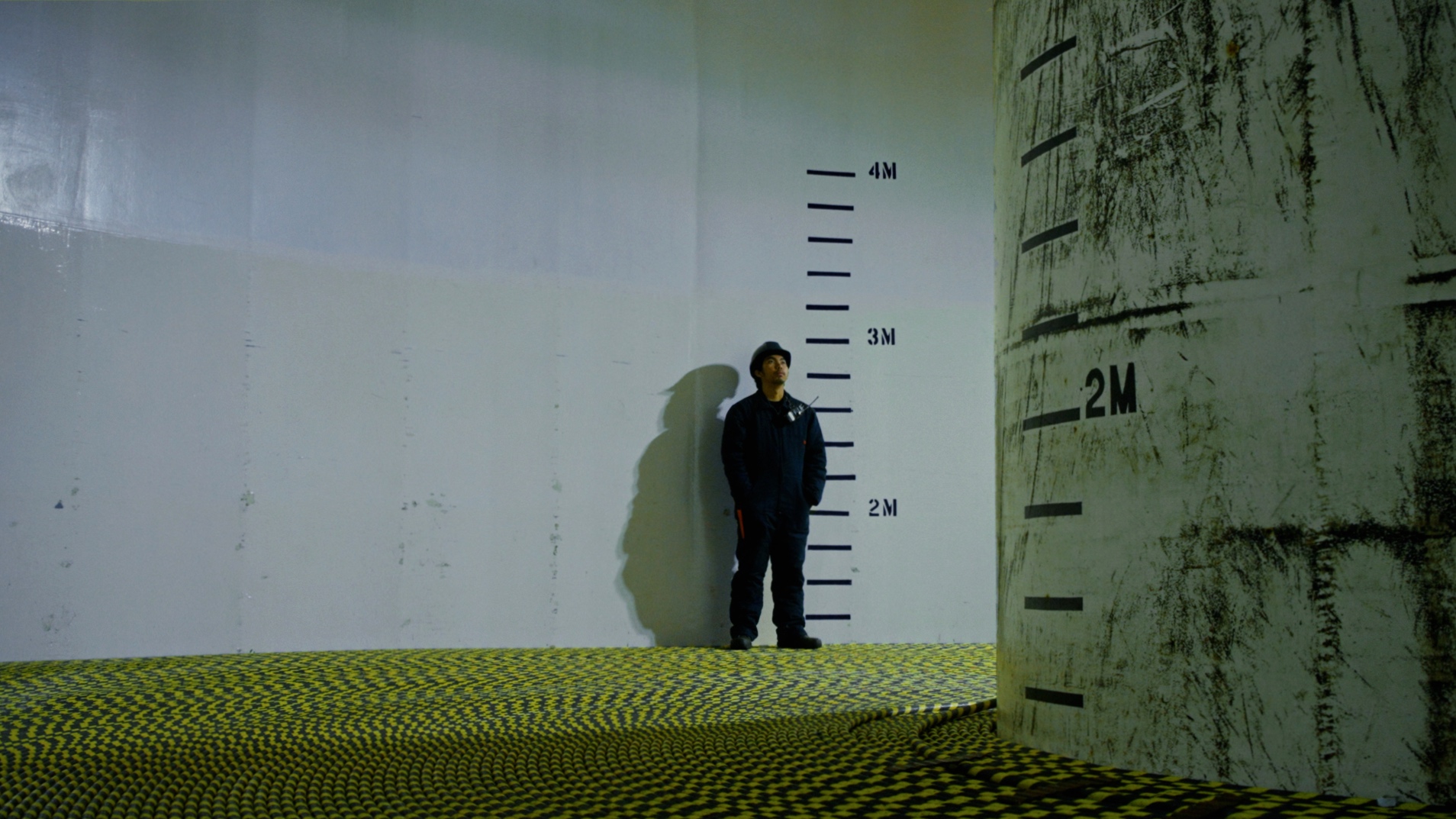
Filmmaker Ian Purnell is set to unveil his debut documentary, Arctic Link, which highlights the transformative power of the internet in a remote Alaskan community. The film will premiere on March 16, 2024, as part of the main competition program at the CPH:DOX, the Copenhagen International Documentary Film Festival, running until March 22.
The documentary showcases a monumental project where a colossal ship lays thousands of kilometers of fiber optic cable in the Arctic Ocean. Purnell’s vision, which took nearly a decade to realize, aims to illustrate not only the technical scale of this endeavor but also its profound human implications. The synopsis describes the film as a journey that juxtaposes the enormity of the undertaking with the intimate experiences of the ship’s Filipino crew, who rely on their cell phones as their only connection to home.
When Purnell first discovered a map of the world’s submarine cables, he was struck by how the internet has a tangible form. He stated, “I felt a strong urge to trace these hidden routes – to see how the network disappears beneath the sea and to meet the people who build these connections.” This emotional approach guided his exploration of the infrastructure often overlooked in discussions about digital connectivity.
Human Stories Amidst Technological Marvels
Produced by Franziska Sonder, Arctic Link features stunning cinematography by Marie Zahir and sound design by Tobias Koch. The film emphasizes the human scale of the internet’s expansion, revealing the perspectives of Alaskan islanders who are acutely aware of the impending changes. Purnell noted, “They knew what it was and would bring, but they also could see it from an outside perspective,” highlighting their nuanced understanding of the digital world.
Purnell faced significant challenges in gaining access to the ships involved in the cable-laying process. “It turned out to be a very difficult exercise to build relationships with these companies,” he explained. Despite setbacks including storms and the COVID-19 pandemic, he and his crew remained adaptable, which ultimately allowed them to connect with local communities.
Once on the island, conversations about the impact of the internet emerged organically. Purnell remarked, “Everyone had this awareness that this ship was bringing the internet.” The locals’ insights provided a unique lens through which the film captures the tension between technological advancement and cultural identity.
Innovative Visual Storytelling
Purnell was determined to portray the internet in a fresh and visually compelling way. Rather than relying on familiar images of servers and keyboards, he sought to create a new aesthetic that reflected the physicality of the infrastructure. He described the ship’s steampunk aesthetic, noting its construction predates the World Wide Web, which added an intriguing contrast to the high-tech imagery associated with modern connectivity.
The creative discussions with Zahir often revolved around making the inanimate feel alive. Purnell explained, “We really tried to make inanimate infrastructure feel alive by portraying the cable like a snake.” This approach not only personalized the technology but also fostered a deeper emotional connection with the audience.
Reflecting on the film’s challenges, Purnell stated, “The challenge was to make a film about something that is invisible and create imagery for it.” The result is a documentary that not only informs but also engages viewers with the myriad stories that arise from the internet’s expansion.
Purnell has already begun exploring new themes for his next project, focusing on astronomy and black holes. He is intrigued by the concept of capturing an image of something that cannot be seen, paralleling the challenges he faced with Arctic Link. His commitment to exploring signals and waves continues to drive his creative vision.
As Arctic Link prepares for its premiere, it promises to be a thought-provoking exploration of how digital connectivity reshapes lives in the most unexpected places. The film invites audiences to consider not just the technology that connects us, but the human stories that lie beneath the surface.
























