








































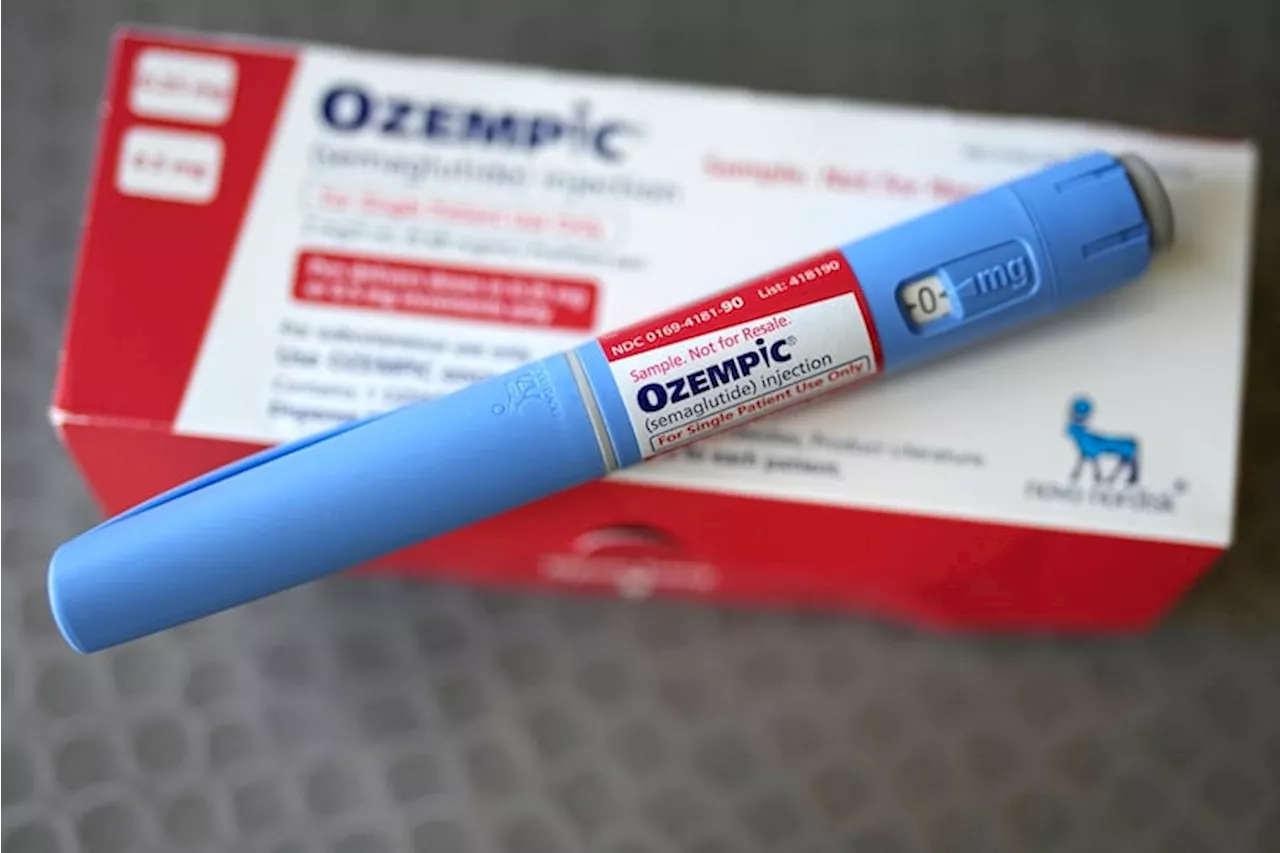
New research indicates that the use of GLP-1 medications, such as Ozempic and Wegovy, may be associated with a heightened risk of bone and tendon injuries. An analysis involving nearly 150,000 patients revealed concerning trends regarding skeletal health for those undergoing treatment with these weight-loss drugs.
The study, presented at a recent conference, highlighted that individuals taking GLP-1 medications faced a significantly increased likelihood of developing skeletal disorders. Over a five-year period, the risk of osteoporosis—a condition that causes bones to weaken—increased by nearly 30%. Additionally, the risk of gout, a painful inflammatory arthritis, rose by 12%, while the incidence of osteomalacia, characterized by softening bones, surged by more than 150%.
Researcher John Gabriel Horneff, an associate professor of clinical orthopedic surgery at the University of Pennsylvania, noted that the findings prompt critical questions regarding the long-term effects of GLP-1 therapy on bone health. Clifford Rosen, a professor of medicine at Tufts University, emphasized that while the overall population-level risk may be small, any increase can have significant consequences for individuals, particularly older adults who may experience complications from fractures.
The analysis controlled for various factors, including age, sex, race, and pre-existing medical conditions, but it remains observational in nature, meaning it cannot definitively establish causation. Horneff pointed out the need for further investigation to understand the implications of continued GLP-1 use on bone density and whether it rebounds after discontinuation.
As the popularity of GLP-1 medications continues to soar, the focus on their potential side effects—including muscle loss—has been prevalent among wellness influencers. However, research suggests that a notable portion of weight loss might come from “lean mass,” which encompasses muscle, water, and connective tissue. This raises concerns about the structural integrity of bones, tendons, and muscles, which collectively support bodily function.
In a related analysis also presented at the conference, Horneff and his team reported a roughly 50% increased risk of various types of tendon ruptures among patients using GLP-1 medications over five years. Common injuries included tears in the pectoralis major, rotator cuff, and Achilles tendon. Horneff recounted a pattern where patients were experiencing unexpected tendon injuries during routine activities, prompting further investigation.
One hypothesis regarding the connection between GLP-1 use and bone loss is that these medications may disrupt hormones vital for bone metabolism. Furthermore, rapid weight loss from reduced appetite could lead to nutritional deficiencies, impairing the body’s ability to rebuild bone effectively. A sudden decrease in mechanical load on bones due to weight loss may also disrupt the normal balance of bone breakdown and rebuilding.
Rosen noted that the data suggests a more extensive impact on bone health than previously understood, with pharmaceutical companies already developing newer versions of these drugs that aim to mitigate bone loss. Currently, of the four GLP-1 medications available—Ozempic, Wegovy, Mounjaro, and Zepbound—only Wegovy includes a warning about potential fracture risk in its prescribing information.
A spokesperson for Novo Nordisk, the manufacturer of Ozempic and Wegovy, declined to comment specifically on the recent study but emphasized the company’s commitment to patient safety. They stated their collaboration with regulatory authorities to monitor the use of these medications, ensuring that known risks are reflected in their product labeling.
In light of the findings, experts are recommending that patients at high risk consider undergoing DEXA bone-density scans before or during treatment. They may also benefit from discussions with healthcare providers about the potential need for calcium and vitamin D supplements. Miranda Stiewig-Rapp, an assistant professor of endocrinology at UC Davis Health, underscored the importance of pairing GLP-1 medications with nutrient-rich diets and regular medical supervision, stressing that these drugs should complement rather than replace healthy lifestyle changes.
As the landscape of obesity treatment evolves, the new research sheds light on the importance of understanding both the benefits and risks associated with GLP-1 medications, ensuring that patients receive comprehensive care throughout their treatment journey.
























