








































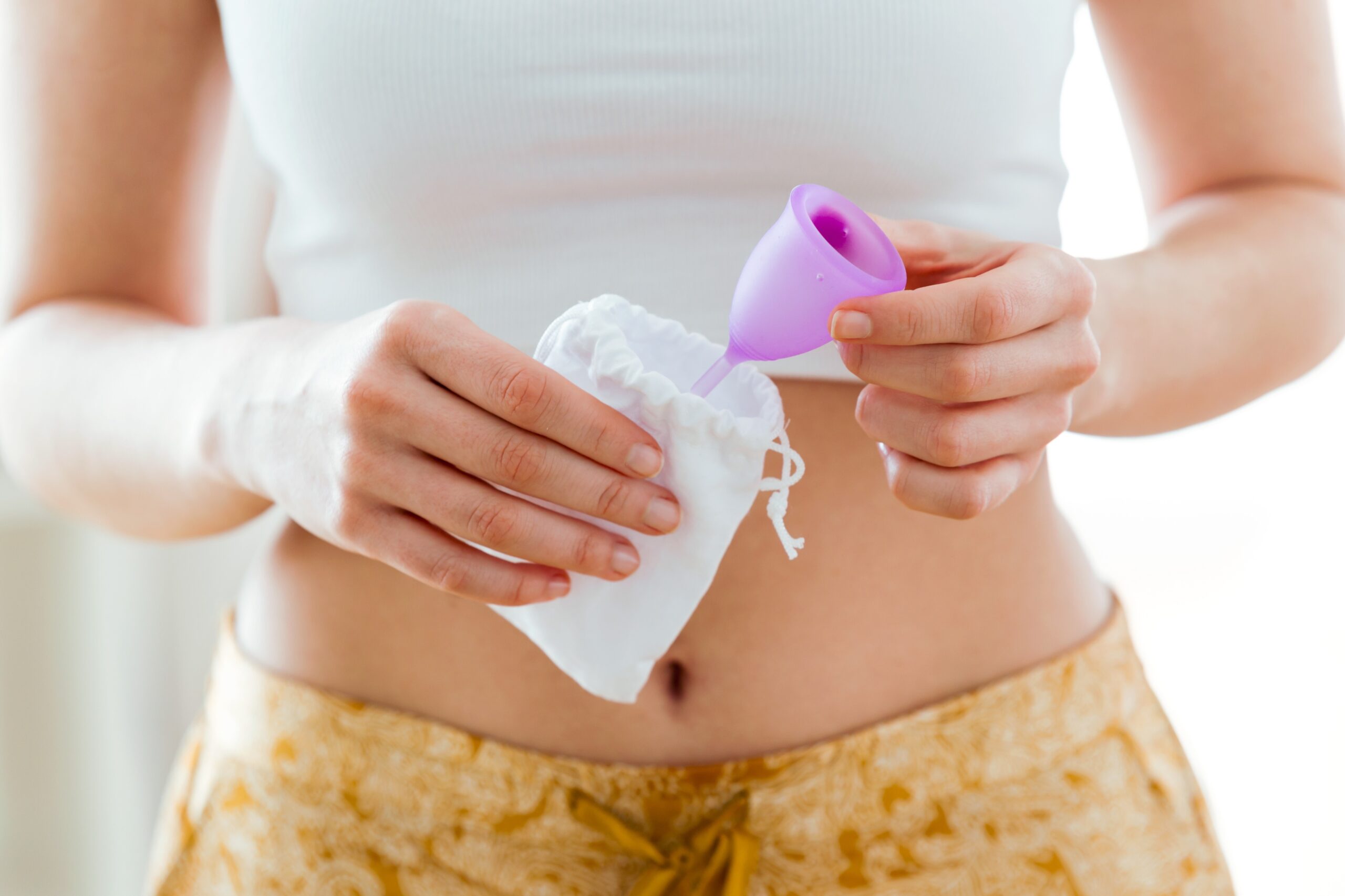
A woman in her 30s experienced a serious health complication linked to her use of a menstrual cup, resulting in her hospitalization. Her symptoms included occasional pain in her side and abdomen, coupled with blood in her urine. Medical professionals initially suspected a possible kidney stone, considering her medical history, which included a gastric sleeve operation and a previous kidney stone removal.
Upon conducting a CT scan, doctors discovered a condition known as ureterohydronephrosis, characterized by swelling of the ureters due to urinary tract obstruction. Rather than a kidney stone, the scan indicated that the issue stemmed from the menstrual cup. It had been positioned too tightly on the right side of the vagina, coming dangerously close to the right ureter.
In addition to the menstrual cup, the scan also identified a properly inserted copper intrauterine device (IUD), ruling it out as a potential cause of the complications. While complications from menstrual cups are known to occur, such severe cases are extremely rare, with only five similar incidents reported previously.
According to a study by Clara Maarup Prip and Dr. Lotte Kaasgaard Jakobsen, other reported complications from menstrual cup usage include pain, allergic reactions, and infections. Notably, there have been instances of toxic shock syndrome (TSS) associated with menstrual cups, with the first case noted in Canada in 2015. TSS can lead to severe health issues if not treated promptly, including severe infection and even death.
Despite these risks, many women prefer menstrual cups because they are reusable for up to ten years, offering a more environmentally friendly option compared to single-use products like tampons. They allow for a significant reduction in waste, as well as the convenience of being worn during penetrative sex.
In three out of the five documented cases of ureter swelling linked to menstrual cup use, women reported resuming their use of the cups after repositioning them, without further complications. Notably, at least one individual opted for a smaller cup size to avoid similar issues.
For the woman involved in the recent case, she had been experiencing mild abdominal pain sporadically over a six-month period, occurring two to five times a week. This pain was often accompanied by a frequent urge to urinate, although she did not report any additional urinary symptoms. The blood in her urine was unrelated to her menstrual cycle and did not consistently coincide with her abdominal pain.
Upon her visit to the hospital, doctors advised her to remove the menstrual cup and scheduled a follow-up appointment for one month later. By the time she returned, her symptoms had entirely subsided, highlighting the importance of correct usage and positioning of menstrual cups.
The experiences of women like her underscore the necessity for proper education and guidance regarding menstrual product usage. As emphasized by Prip and Jakobsen, selecting the appropriate shape and size of a menstrual cup, along with correct positioning, is crucial in preventing adverse effects on the urinary tract.
Unfortunately, many menstrual products are sold over-the-counter with minimal information about their proper use, leaving consumers to navigate potential complications without adequate support. This lack of education could inadvertently jeopardize users’ health, making awareness and careful consideration essential for safe menstrual care.
























