








































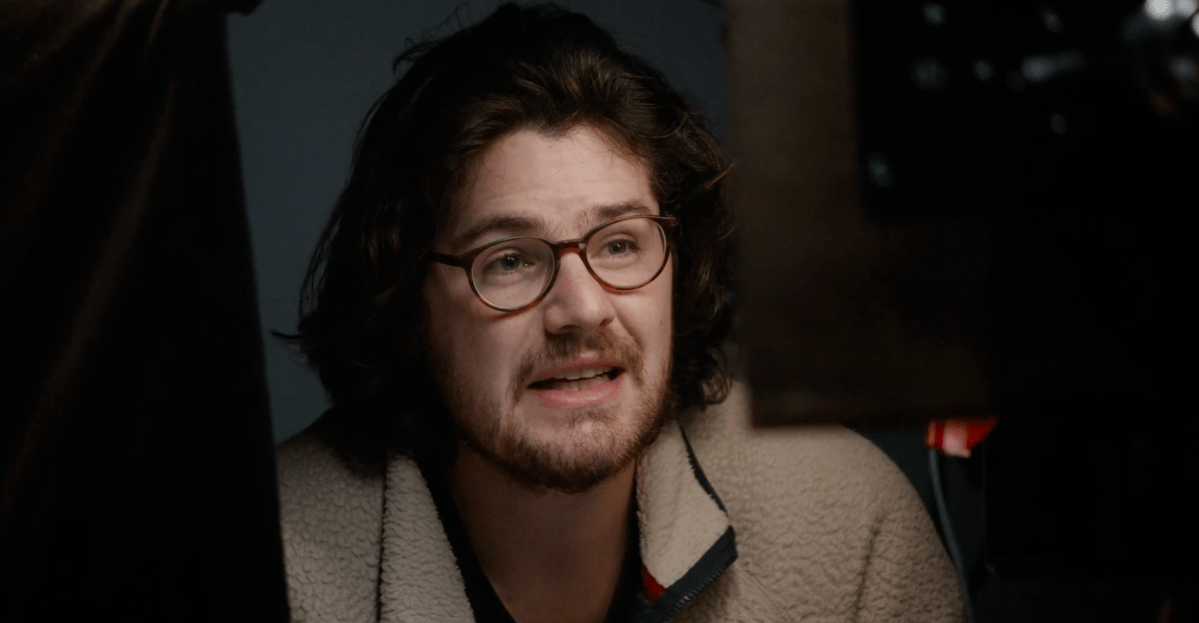
The upcoming documentary, The AI Doc: Or How I Became an Apocaloptimist, examines the complex landscape of generative artificial intelligence (AI) and its implications for society. Scheduled for release in theaters on March 27, 2024, co-directors Daniel Roher and Charlie Tyrell delve into the contrasting perspectives surrounding this rapidly evolving technology.
Generative AI has rapidly permeated various sectors, yet public understanding often remains limited. The film features a range of voices, including researchers and CEOs from leading AI companies, aiming to provide insight into this transformative technology. However, despite its creative production and engaging art direction, the documentary struggles to deliver substantial insights into the implications of generative AI.
Early in the film, Roher, who previously won an Oscar for his work on the documentary Navalny, expresses his personal anxieties regarding AI’s potential effects on society. As he and his wife await the birth of their child, Roher grapples with fears fueled by alarming headlines about the future of AI. He embarks on a journey to speak with various experts to gain a clearer understanding of the technology that could shape his child’s world.
Contrasting Perspectives on AI
The documentary is structured into four acts, gradually revealing Roher’s evolving views as he interacts with proponents and critics of AI. He begins by engaging with pessimistic voices, including Tristan Harris and Aza Raskin, co-founders of the Center for Humane Technology, who characterize AI as an existential threat. Their stark warnings, including the possibility of a robot uprising, are accompanied by cinematic references to films like The Terminator and The Matrix.
As the film unfolds, Roher also presents more optimistic viewpoints, featuring voices such as Daniela Amodei, president and co-founder of Anthropic, and Reid Hoffman, co-founder of LinkedIn. These individuals argue that advancements in AI could lead to significant societal benefits, including improved healthcare and new opportunities. While Roher attempts to balance these contrasting perspectives, the documentary’s early sections risk portraying a one-sided view, leaning towards sensationalism rather than providing a measured analysis.
The documentary shifts gears as it introduces insights from journalists and whistleblowers, such as Karen Hao and Daniel Kokotajlo. This segment offers a clearer understanding of how AI technologies are influenced by the companies that create them. Rather than presenting generative AI as an enigmatic force, these discussions emphasize that many AI models operate through sophisticated pattern recognition, relying on vast datasets for training.
Missed Opportunities and Industry Critique
Despite some strong observations, the documentary often glosses over crucial critiques of the AI industry. Roher acknowledges that the rapid pace of AI advancements may render discussions outdated by the time of the film’s release. This concern is underscored by his conversations with industry leaders, including Sam Altman, head of OpenAI, and Amodei, who are currently navigating controversial agreements with government entities. The film’s lack of deeper inquiry into these issues raises questions about its effectiveness in informing the public.
As generative AI continues to gain traction, audiences require comprehensive scrutiny of the technology’s potential benefits and dangers. Unfortunately, The AI Doc falls short of providing the thoughtful analysis that is urgently needed, focusing instead on emotional narratives and sensational claims.
As the documentary prepares for its release, the need for informed discussions surrounding the implications of generative AI becomes increasingly apparent. The film serves as a reminder that while exploring the dual nature of this technology, it is essential to maintain a balanced perspective that prioritizes understanding over fear.
























