








































Australia is experiencing a severe crisis for its wildlife as record-breaking temperatures and devastating fires have significantly impacted ecosystems across the nation. The summer of 2023 has seen prolonged droughts and catastrophic weather events, leading to immense losses for both wildlife and communities. The situation has escalated to a point where climate change, once viewed as a future threat, is now a harsh reality that demands immediate action.
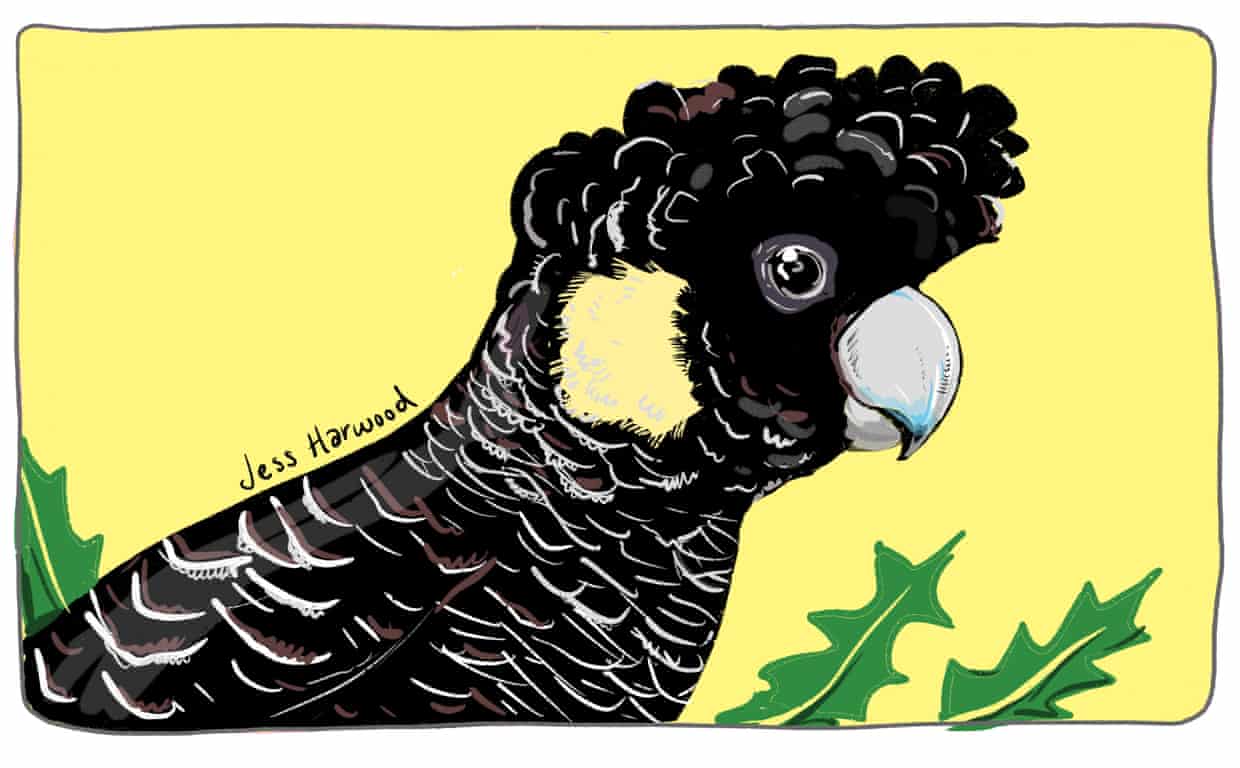
In Western Australia’s Fitzgerald River National Park, over 170,000 hectares have been consumed by fires, affecting the habitats of multiple threatened species, including the dibbler and the western bristlebird. These fires also destroyed crucial breeding areas for Carnaby’s cockatoo. While some chicks survived, the long-term effects on these species remain uncertain.
The situation is similarly dire in Victoria, where fires have ravaged more than 400,000 hectares, an area comparable to 200,000 Melbourne Cricket Grounds. The destruction includes semi-arid heathlands and essential habitats for species such as barking owls and greater gliders, which rely on tree hollows for nesting. These hollows can take over 100 years to form, yet they can be lost in mere hours during a fire.
The ongoing housing crisis further complicates matters for wildlife. Australia’s historical legacy of deforestation has left many areas with a critical shortage of tree hollows. Frequent and severe fires exacerbate this problem, putting additional stress on already vulnerable species.
Extreme heat poses another lethal threat. The grey-headed flying foxes have been particularly affected, with tens of thousands dying across Victoria, New South Wales, and South Australia. When temperatures reach the high 30s and 40s Celsius, these bats struggle to regulate their body temperature, leading to severe heat stress and dehydration. These flying foxes play a vital role in pollinating forests and spreading seeds across vast distances, and their decline signals a troubling future for many ecosystems.
Aquatic life is not spared from the harsh conditions. In Broken Hill, New South Wales, species such as barking marsh frogs and various turtle species face dire circumstances as their habitats dry up. The local lake, which has not completely dried out for 130 years, is now at risk of doing so, leaving its inhabitants clinging to life. Community members are actively fundraising for emergency environmental water to support these struggling aquatic species.
The increasing frequency of deadly algal blooms is another alarming consequence of climate change. High concentrations of Karenia dinoflagellates have wreaked havoc in areas like South Australia’s Yorke Peninsula and Kangaroo Island, leading to the deaths of dolphins, sea dragons, and various fish species.
Despite these challenges, a path toward a brighter future is still possible. If current practices continue, the laws of nature will dictate an increasingly hostile environment for both wildlife and humans. However, by advocating for sustainable practices and stricter environmental protections, there remains hope for recovery.
The urgent message is clear: change is imperative. We owe it to current and future generations, as well as the unique and diverse wildlife that shares this planet with us, to take decisive action. The choice between a sustainable future and a continued cycle of destruction lies in our hands.
























