








































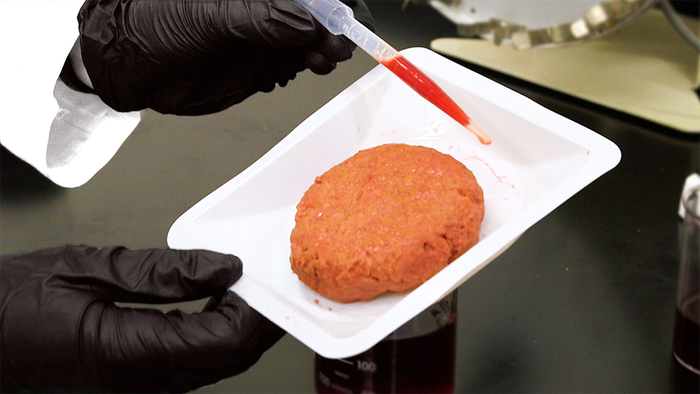
The plant-based meat industry, which saw remarkable growth in 2019, is now facing significant challenges as demand has cooled and prices remain high. Major players like Beyond Meat and Impossible Foods attracted substantial investment, with hundreds of millions of dollars flowing into the sector. Fast-food giants such as McDonald’s and Burger King introduced plant-based burgers across the United States, while celebrity endorsements from figures like Snoop Dogg and Katy Perry further fueled interest. Despite this initial momentum, the industry has struggled to maintain its trajectory, prompting questions regarding its future viability.
The decline in sales of plant-based meats began in the early 2020s, a period marked by heightened scrutiny over the products’ price points and nutritional profiles. Consumers have become increasingly cautious, raising concerns about the ultra-processed nature of these alternatives. Critics argue that while these products are marketed as healthier options, they may not deliver the nutritional benefits that many expect.
Challenges Facing the Plant-Based Market
The high costs associated with producing plant-based meats contribute significantly to their retail prices. According to a report by the Good Food Institute, these products often remain priced higher than traditional meats, making them less accessible to a broader consumer base. For instance, a typical plant-based burger can cost over $5, while beef burgers may retail for around $3. This price disparity persists despite the growing acceptance of plant-based diets and the increasing availability of alternatives.
Moreover, the competition from the meat industry has intensified. Traditional meat producers have responded to the rise of plant-based options through aggressive marketing campaigns and lobbying efforts to protect their market share. The National Cattlemen’s Beef Association, for example, has been vocal in its opposition to the labeling of plant-based products as ‘meat,’ arguing that such terminology misleads consumers about the nature of these foods.
The combination of high prices, competition, and evolving consumer preferences has led to a stagnation in the plant-based sector. Industry analysts suggest that while the initial excitement over plant-based meats may have waned, the market still holds potential for growth. Innovations in production processes and a focus on improving taste and texture could help attract new customers in the future.
Looking Ahead
Despite the current challenges, there remains a strong interest in plant-based alternatives. As environmental concerns continue to shape consumer choices, many industry leaders believe that the demand for sustainable food options will eventually drive prices down. The Plant Based Foods Association forecasts that the sector could rebound as more consumers seek out products that align with their values regarding health and sustainability.
In conclusion, while the plant-based meat industry has encountered significant obstacles since its rapid growth in 2019, the potential for future success remains. Addressing the issues of cost, perception, and competition will be crucial as companies strive to establish themselves in an increasingly complex food landscape. The ongoing evolution of consumer preferences and innovations in production techniques will likely play a pivotal role in shaping the future of plant-based meats.
























