








































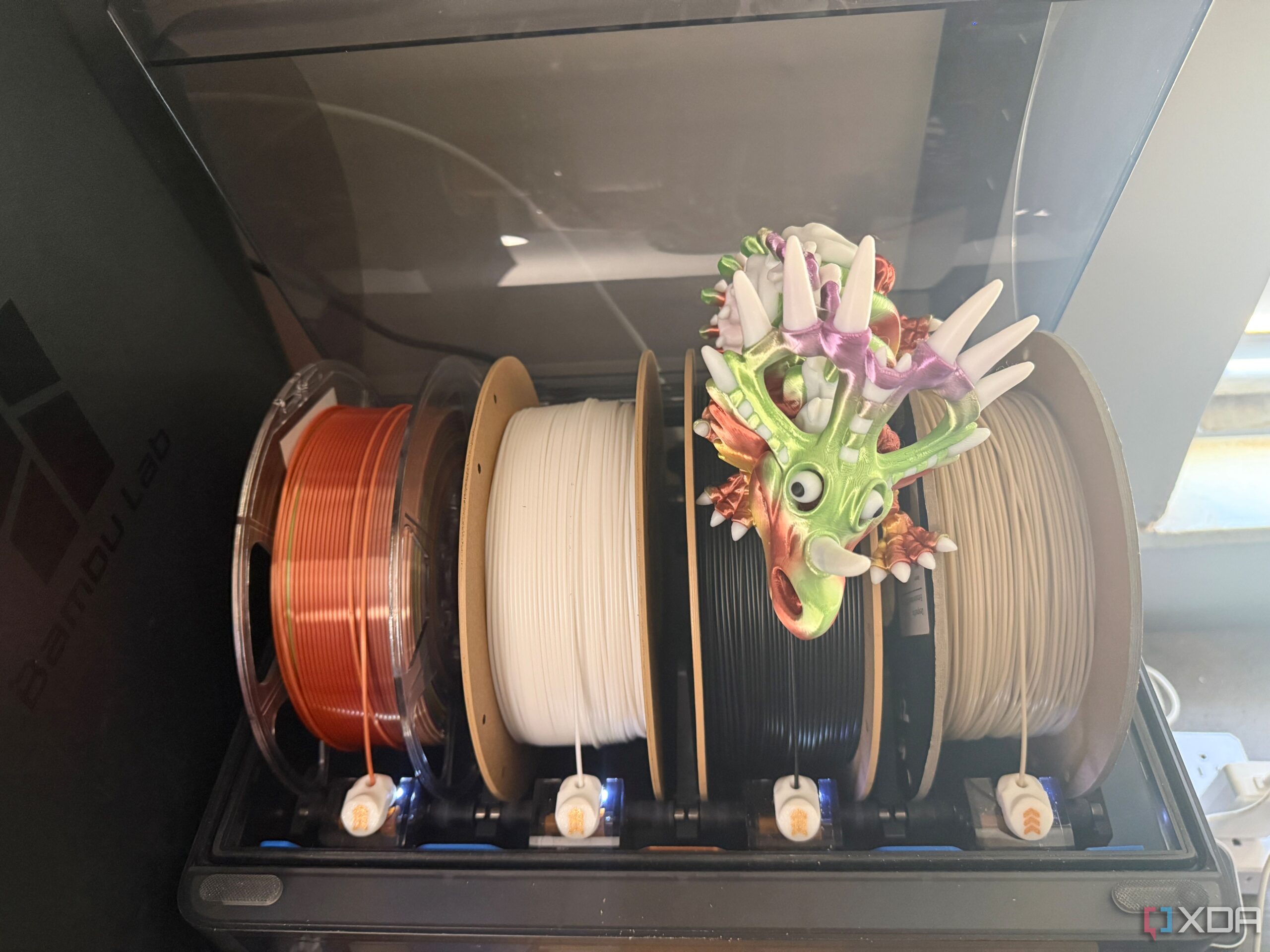
The world of 3D printing is evolving, yet a significant challenge persists: the accumulation of unused models. While failed prints often attract attention due to their visible flaws—such as warped corners or tangled filament—the less noticeable issue of unutilized designs quietly undermines productivity. As enthusiasts and professionals alike download files with good intentions, these dormant models can turn into a backlog that hinders actual printing progress.
Understanding the Impact of Unused Models
Each downloaded STL file represents a potential creation, yet many remain untouched on digital storage devices. This accumulation of unused models can create a sense of productivity in the moment, allowing users to feel they are making progress without actually producing anything tangible. Over time, this leads to a cluttered digital space that complicates decision-making when it comes to choosing what to print.
A backlog of models can become overwhelming. When presented with numerous options, users may find themselves scrolling through folders, debating which idea to bring to life. This indecision often results in missed opportunities for printing, as the initial enthusiasm fades and the time available for printing diminishes.
The Role of Modern Technology in Model Management
The contemporary 3D printing landscape is designed to encourage exploration and discovery. Model-sharing websites provide an endless stream of new ideas, making it easy for users to download multiple files, even those unrelated to their original goals. This environment fosters a cycle of collecting rather than creating, as individuals save models for potential future projects without committing to any specific print.
As noted by model management tools like Manyfold, a more organized approach can significantly reduce unnecessary clutter. By using a self-hosted library, users can categorize their models, making it easier to identify what is worth printing. Such tools help to streamline the process, allowing users to easily access files that are ready for production rather than sifting through a jumbled collection.
Creating an efficient workflow is essential for those looking to maximize their printing capabilities. Instead of a sweeping purge of unused models, a more effective strategy involves establishing a clear separation between an “archive” of models with no immediate plans and an “action” list limited to a manageable number of files. By keeping the action queue concise, users can prioritize their choices and maintain momentum in their printing endeavors.
To enhance productivity, individuals should also set specific goals for their printing sessions. For example, dedicating short periods weekly to print can help ensure that models move from digital files to physical objects. After a set timeframe, users can choose to print, archive, or delete models, thereby maintaining a focused approach.
The key takeaway is that the most fulfilling aspect of 3D printing lies in the creation of finished products, not merely in the possession of files. While failed prints provide valuable learning experiences, unused models contribute little beyond accumulating digital dust. By adopting a systematic approach to managing model collections, users can transform their 3D printing experience, reducing waste and enhancing enjoyment in the process.
Ultimately, by focusing on actionable steps and keeping model libraries organized, enthusiasts can turn their aspirations into reality, moving past the frustration of unused files and into the satisfaction of tangible creations.
























