








































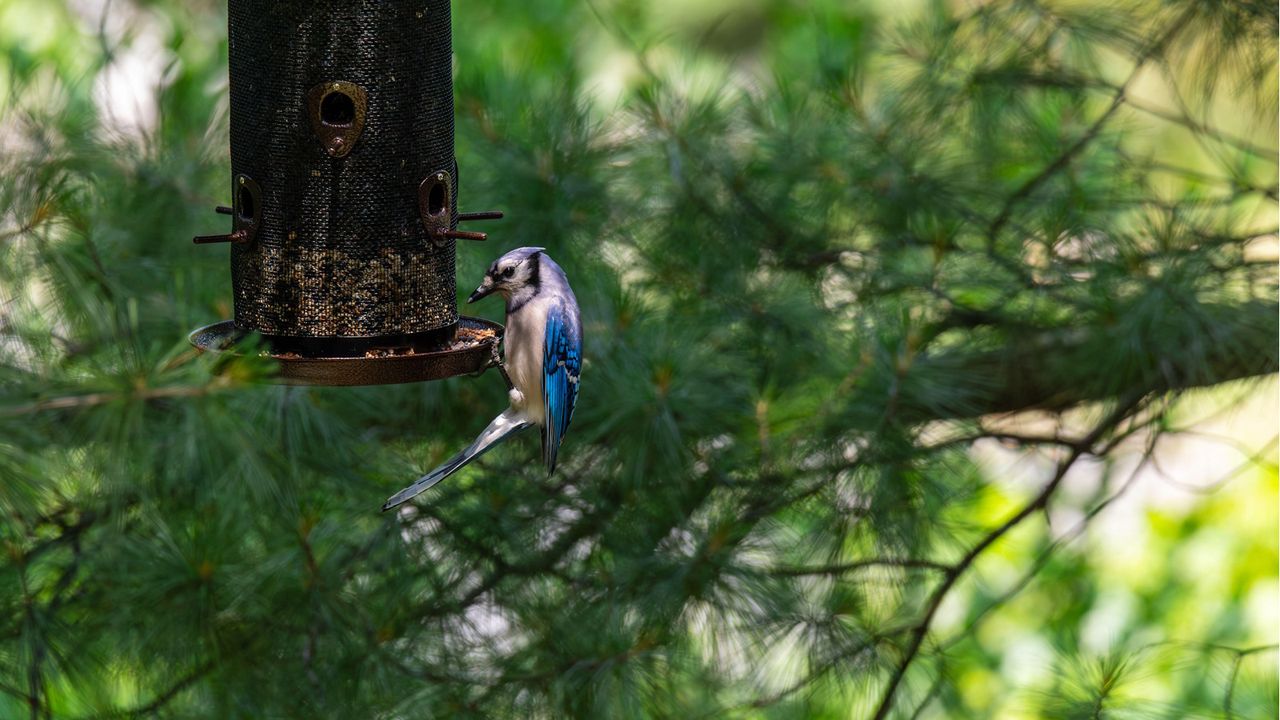
URGENT UPDATE: Are you struggling to attract birds to your yard? A leading ornithologist has just revealed crucial tips on how to position your bird feeders for maximum effectiveness. This news comes as many garden enthusiasts are noticing a significant drop in feathered visitors.
The right placement of bird feeders is vital for drawing in local birds and creating a welcoming environment. Maria Kincaid, an expert from FeatherSnap, emphasizes that improper positioning could be the reason your feeders are going unnoticed. By implementing her five key strategies, you can transform your outdoor space into a bird-friendly haven today.
1. Avoid Windows – But Follow This Rule: Kincaid warns that birds often collide with windows due to confusion over reflections. She advises keeping feeders either more than 10 feet away or less than 3 feet from windows. This simple adjustment can significantly reduce the risk of injury. Consider using UV decals to help birds recognize hard surfaces as potential hazards.
2. Position Near Trees – Watch for Predators: Birds need safe perches near feeders, but proximity to trees can also attract predators like cats. Kincaid suggests implementing the 5-7-9 rule: feeders should be at least 5 feet off the ground, 7 feet from fences or trees, and 9 feet from overhanging branches. This creates a safer feeding environment.
3. Choose a Quiet Spot: Birds seek peace and safety when feeding. Avoid placing feeders near high-traffic areas. Kincaid recommends locating them towards the back of your yard, away from pets and human activity, to make the feeding experience more inviting. Patience is key, as it may take weeks for birds to feel secure enough to visit.
4. Ensure Accessibility for Specific Birds: Different birds have varied feeding preferences. To attract species like Mourning Doves and Northern Cardinals, consider using tray feeders on or near the ground. For larger birds, traditional cage feeders should be placed in open areas but near cover for safety.
5. Keep It Visible for Maintenance: Make sure your feeder is easy to access for regular refills and cleaning. Kincaid stresses that a clean feeder prevents food contamination and disease spread. Opt for metal feeders, which resist rot and are easier to maintain than wooden ones.
Experts highlight that the placement of your bird feeders is as crucial as the type of food you offer. With Kincaid’s expert advice, you can transform your yard into a bird-friendly zone, enhancing both your garden’s beauty and its ecological value.
WHAT’S NEXT: Gardeners are encouraged to implement these tips immediately to see a difference in bird activity. Share this article to help fellow bird enthusiasts create the perfect feeding stations. For more insights on attracting wildlife, stay tuned for updates and expert advice.
This is your chance to make a significant impact in your garden and witness the joy of nature up close. Don’t miss out—get your feeders in the right spots today!
























