








































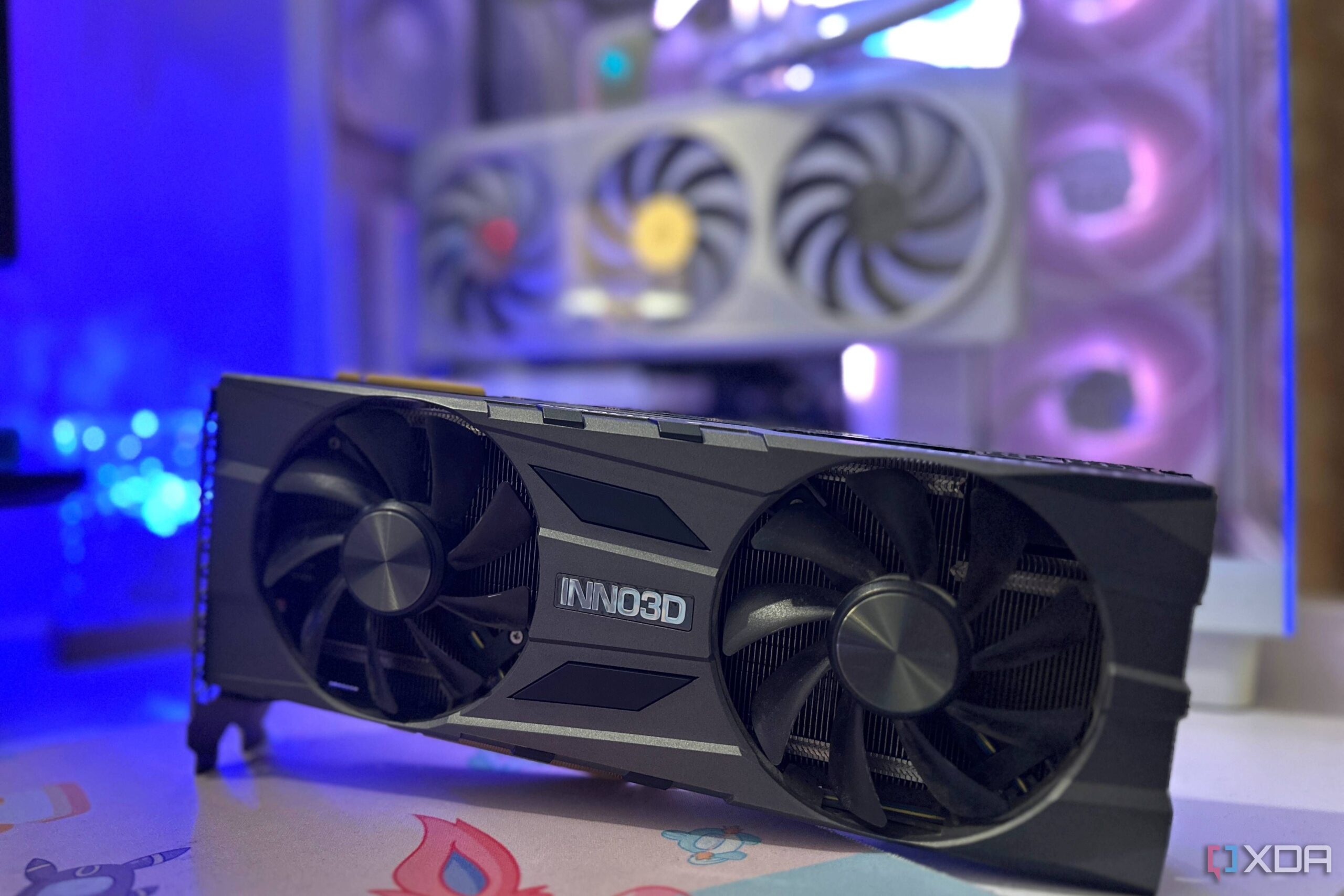
URGENT UPDATE: A new trend is emerging among gamers as they rethink GPU performance strategies. Recent testing reveals that undervolting, rather than overclocking, is delivering superior results for high-end graphics cards like the RTX 4090. This shift is not just a matter of preference; it’s a game-changer for anyone seeking a quieter, cooler, and more efficient gaming experience.
Gamers have long relied on overclocking to boost frame rates by as much as 3-5%. However, many are now discovering that the drawbacks—such as elevated temperatures, increased fan noise, and diminished consistency—outweigh the minimal performance gains. This realization comes as users report serious discomfort during longer gaming sessions, which can be exacerbated by overheating components.
The transition to undervolting is gaining momentum. When properly tuned, undervolting allows the RTX 4090 to run 2-3 degrees cooler while reducing power consumption by around 35-40 watts. This not only enhances the longevity of the GPU but significantly improves the overall gaming experience. “Once I switched to undervolting, my average FPS stayed within 1-2% of stock performance,” a gamer shared. “The benefits of cooler temperatures and quieter operation were worth the effort.”
Despite initial skepticism, many gamers are finding that undervolting does not adversely impact frame rates when executed correctly. By adjusting the voltage curve, users can maintain the card’s usual boost clocks under load, achieving a balance between performance and efficiency. This technique has become particularly appealing to those playing on high-refresh-rate monitors like the Alienware AW2725DF, where consistent performance is crucial.
Experts confirm this trend, noting that while overclocking remains an option, it is most effective for those with advanced cooling systems. “If your GPU is liquid-cooled or features an oversized heatsink, overclocking can still yield results,” one technician explained. “But for the average gamer, undervolting is a safer and more reliable choice.”
As the gaming community shifts towards undervolting, the implications are clear. Gamers are prioritizing not only performance but also the overall experience, leading to a more sustainable approach to gaming hardware. With the RTX 4090 pushing the limits of power consumption, the move to undervolting represents a significant change in how gamers interact with their technology.
In summary, the debate over GPU performance is evolving. Undervolting is proving to be a viable alternative to overclocking, offering gamers a path to better efficiency and comfort without sacrificing performance. As this trend continues to develop, it will be interesting to see how it influences future gaming hardware innovations and user strategies.
Stay tuned for more on this developing story, and consider sharing your own experiences with GPU performance to join the conversation.
























