








































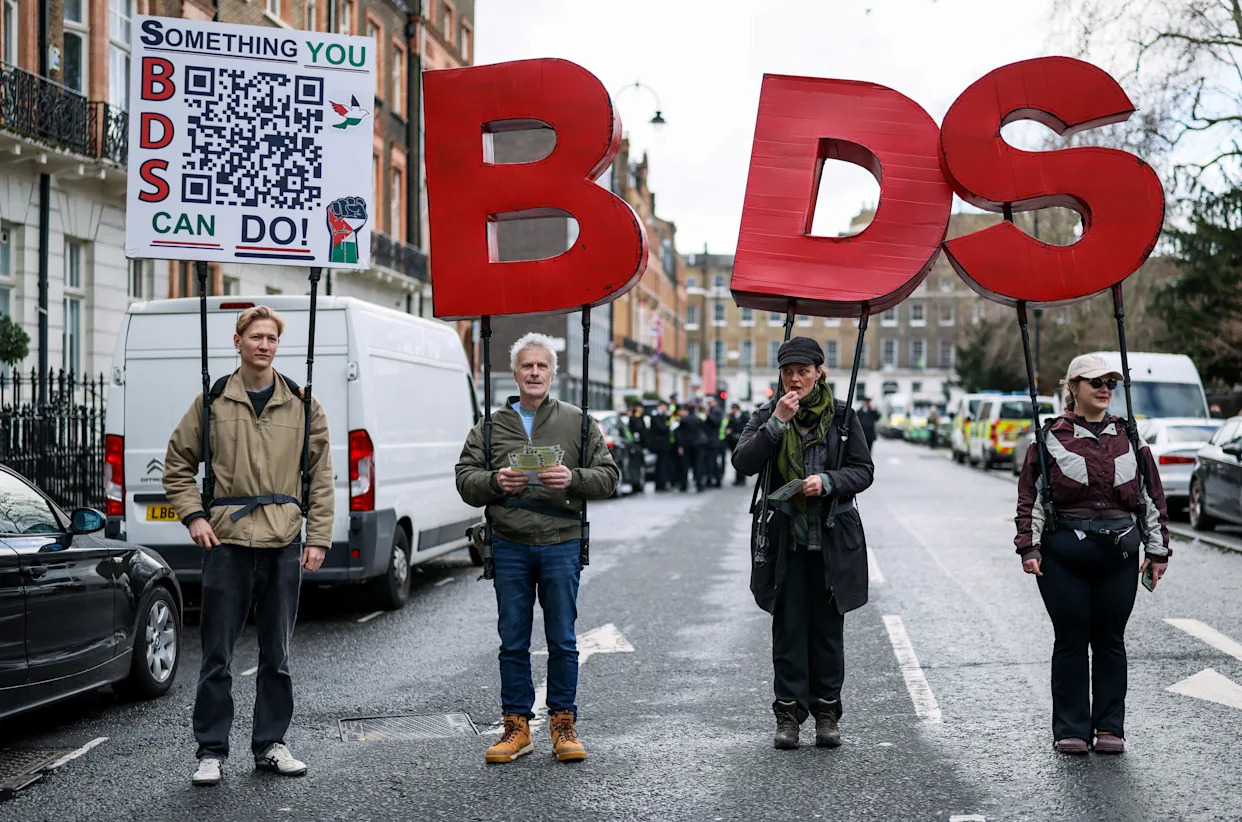
In recent months, a wave of protests across Europe has emerged, with workers advocating for a boycott of Israeli goods in response to the ongoing humanitarian crisis in Gaza. One notable incident occurred in late August when a supermarket worker in a small Irish town took a stand against the sale of Israeli produce. Disturbed by images of destruction and suffering from the conflict, he decided to inform customers about the origins of certain fruits and vegetables. Following his refusal to scan Israeli goods, he was suspended by Tesco, but public outcry led to his reinstatement in January, albeit in a role that no longer involves handling Israeli products.
This incident reflects a broader movement across Europe, where labor unions in countries such as Ireland, the UK, and Norway have called for workers to cease handling Israeli goods. Retail cooperatives like Co-op UK and Italy’s Coop Alleanza 3.0 have responded by removing some Israeli items from their shelves in solidarity with the protests. Activists see these actions as a potential catalyst for larger state-level boycotts, drawing parallels to the successful 1984 Dunnes Stores boycott against apartheid South Africa, which lasted nearly three years and significantly influenced Ireland’s trade policies.
The Boycott, Divestment and Sanctions (BDS) movement, initiated in 2005, seeks to apply economic and cultural pressure on Israel until it adheres to international law and ends its occupation of Palestinian territories. Damian Quinn, a member of BDS Belfast, emphasized the need for citizen-led actions, stating that where governments fail to act against alleged violations, individuals must step up to demand accountability. He urged workers worldwide to apply pressure on their governments to legislate against Israeli goods and services.
Recent developments indicate that this labor-led movement is gaining traction, with countries like Slovenia and Spain taking significant steps. In August 2025, Slovenia implemented a ban on imports from Israeli-occupied territories, marking it as one of the first European nations to do so. Spain followed with a similar decree later that year, prohibiting the import of products from illegal Israeli settlements, officially enforced in early 2026. Both nations’ center-left governments have criticized Israel’s actions during the ongoing conflict, paving the way for legislative change.
In the Netherlands, public demonstrations and pro-Palestinian protests on university campuses have shifted political dialogues. Student demands for disengagement from Israeli trade have resonated within national discussions, leading to calls from parliament members to halt imports from illegal settlements. Meanwhile, Ireland continues to advance its Occupied Territories Bill, initially introduced in 2018, which aims to prohibit trade in goods from illegal settlements in Palestinian territories. However, progress has stalled, with some lawmakers attributing the delay to pressure from pro-Israel factions, particularly influenced by the United States.
Organizations such as B’nai B’rith International actively oppose the BDS movement, labeling it as anti-Semitic and warning that boycotts could jeopardize the interests of US companies operating in Ireland. Their memorandum to Irish lawmakers raised concerns about potential conflicts with US federal anti-boycott laws that prohibit participation in certain foreign-led boycotts against Israel. These lobbying efforts illustrate the complex interplay between advocacy and economic policy regarding Israel and Palestine.
Critics have accused pro-Israel organizations of exerting undue influence on European policymaking to counteract BDS initiatives. Leaked documents suggest that the Israeli government has been directly involved in efforts to monitor and counteract boycott campaigns across Europe. Martina Anderson, a former Member of the European Parliament and BDS supporter, has alleged that Israeli advocacy groups have sought to silence critics through legal and political means.
The political landscape surrounding the BDS movement remains contentious. In 2019, Germany’s Bundestag adopted a non-binding resolution condemning BDS as anti-Semitic, a move that has been perceived as conflating criticism of Israel with anti-Semitic sentiment. Pro-Israel advocates, including the European Leadership Network (ELNET), have welcomed such resolutions and are pushing for further legislative actions to curb BDS-related boycotts in various European countries.
In the UK, legislative efforts to prevent public bodies from pursuing their own boycott policies have gained attention. The Economic Activity of Public Bodies (Overseas Matters) Bill was introduced to restrict local councils and public organizations from adopting BDS initiatives. The Labour Party’s leadership has shown support for this bill, with key members abstaining from votes that could challenge pro-Israel policies.
As the debate continues, it is clear that the grassroots movements for boycotts against Israeli goods are not only reshaping public sentiment but also influencing legislative actions across Europe. The outcomes of these protests and political maneuvers will likely have lasting implications for trade relations and humanitarian advocacy in the context of the ongoing Israeli-Palestinian conflict.
























