








































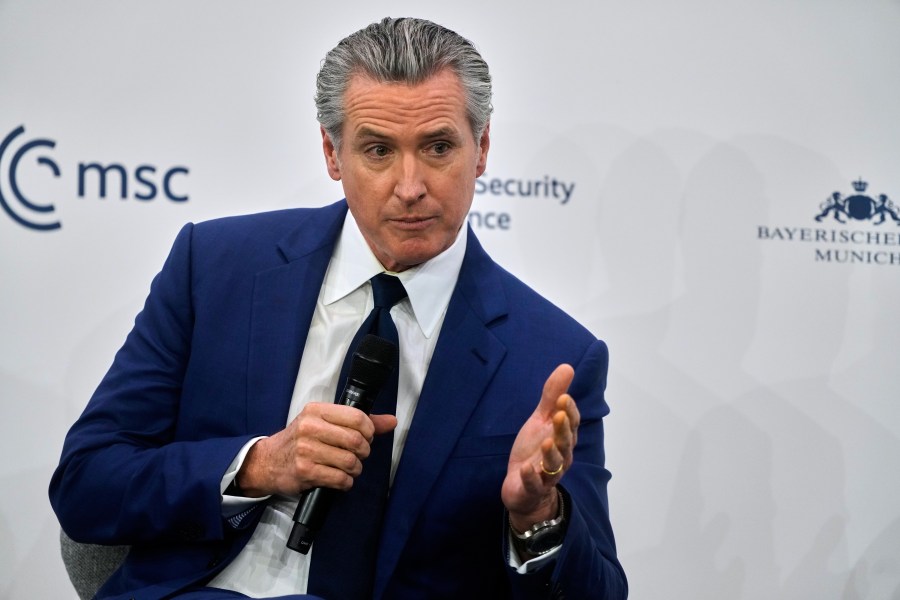
In a recent gathering held in Munich, prominent Democrats, including California Governor Gavin Newsom and Congresswoman Alexandria Ocasio-Cortez, advocated for the reintroduction of wealth taxes and robust climate policies. The event attracted a receptive audience, highlighting the party’s commitment to addressing economic inequality and climate change on an international platform.
During their speeches, Newsom and Ocasio-Cortez emphasized the urgency of implementing progressive taxation as a means to finance climate initiatives. They pointed to the European Green Deal as a model for ambitious environmental policies that could inspire similar actions in the United States. This approach aims to shift the burden away from lower-income families and onto the wealthiest individuals, facilitating a more equitable economic landscape.
Ocasio-Cortez stated, “We have a moral obligation to ensure that those who have benefited the most contribute their fair share to combat climate change.” Her remarks resonated with many in the audience, who see wealth taxes as a viable solution to fund sustainable development projects. The call for action comes as nations around the globe grapple with the impacts of climate change, which have become increasingly evident.
The event, held in September 2023, showcased the growing collaboration between U.S. Democrats and European leaders who share similar values regarding climate action. Newsom highlighted successful initiatives in California, including investment in renewable energy and electric vehicles, which he believes could serve as models for national policies.
International Cooperation on Climate Goals
The discussions in Munich underscore a broader trend of international cooperation in addressing climate change. Both Newsom and Ocasio-Cortez expressed their belief that the United States must lead by example, particularly as global temperatures continue to rise. They called for renewed commitments to international agreements aimed at reducing carbon emissions and promoting green technology.
Several European leaders present at the event echoed similar sentiments, reinforcing the idea that strong climate action is necessary for both environmental sustainability and economic stability. The emphasis on wealth taxes was particularly pertinent, given the ongoing debates in the United States about tax reform and fiscal responsibility.
The Democratic Party is increasingly aligning its platform with progressive economic policies that prioritize climate action. Newsom noted, “We cannot afford to ignore the wealth gap while the planet is in crisis. Our solutions must be bold and transformative.”
As the dialogue on climate and wealth taxes continues, the Munich gathering signals a potential shift in policy direction that could resonate back home. With the U.S. presidential election approaching, these themes may become central to the Democratic campaign strategy, aiming to mobilize voters who prioritize environmental issues and economic fairness.
In conclusion, the Munich event marked a significant moment for U.S. Democrats, showcasing their commitment to wealth taxes and climate policies. As they seek to engage with international counterparts, the party is positioning itself at the forefront of the global climate movement. The discussions reflect a determination to create a more equitable economic framework while addressing one of the most pressing challenges of our time: climate change.
























