








































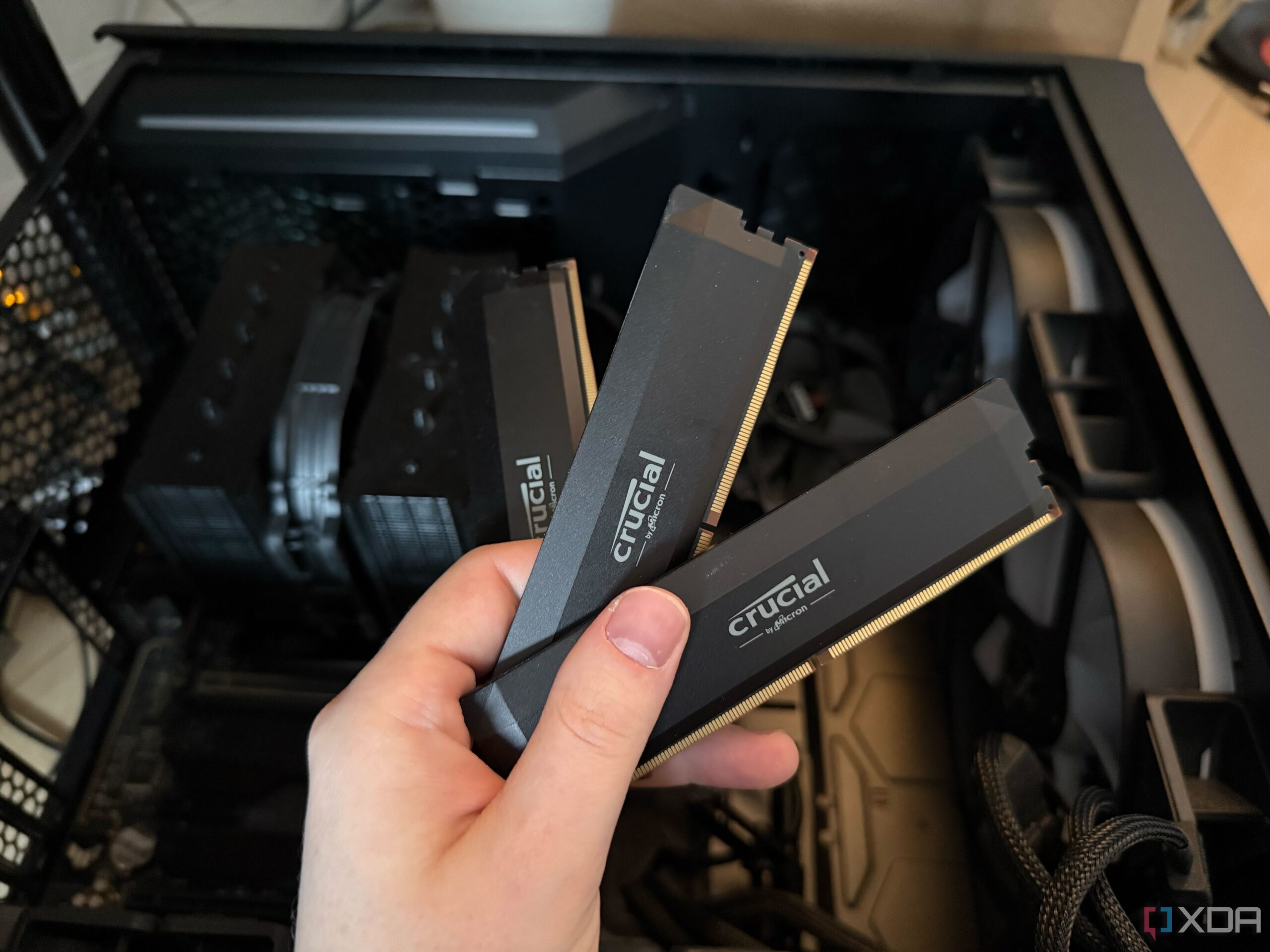
New reports confirm that the ongoing RAM shortage is pushing PC gamers to adopt memory overclocking as a necessary skill. As of January 2026, a standard 32GB DDR5 kit now costs around $400, a staggering increase from just $100 last year. This surge in prices has transformed RAM upgrades from simple weekend projects into significant financial commitments.
The shortage is primarily driven by major manufacturers like Samsung, SK Hynix, and Micron, who are reallocating resources to produce high bandwidth memory (HBM) for AI companies such as Nvidia and OpenAI. Each gigabyte of HBM consumes three times the wafer capacity of standard DDR5, leading to a scarcity that experts predict will last until 2028.
In light of soaring prices, gamers are discovering that overclocking their existing RAM can unlock performance gains at a fraction of the cost of new kits. For instance, a 5600 MT/s kit can potentially be pushed to 6400 MT/s by adjusting BIOS settings, resulting in a 10-12% increase in bandwidth. This tweak can significantly reduce latency from a sluggish 70.5 ns to a smoother 58-62 ns, enhancing gameplay during high-stakes situations.
Gamers typically rely on XMP for Intel and Expo for AMD, but these baseline profiles are merely starting points. Many DDR5 kits can safely handle higher voltages, allowing for tighter timings and better performance. Tools like Zen Timings and TestMem5 are now essential for anyone looking to venture into overclocking, as they provide critical insights into memory performance and stability.
While gamers playing at 4K ultra settings might only see a marginal increase in frame rates, the real-world benefits of overclocking extend beyond simple FPS improvements. Overclocking minimizes micro stutter, providing smoother gameplay even during intense action. Gamers report that their systems feel more responsive, with noticeable improvements in application launch speeds and overall system fluidity.
However, experts warn that overclocking comes with risks. Many RAM manufacturers void warranties if users tamper with settings. Additionally, overheating can lead to failures in both motherboards and CPUs, especially as DDR5 kits are more heat-sensitive than previous generations.
Despite these challenges, the current RAM crisis is a wake-up call for efficiency and resourcefulness. As prices soar, mastering overclocking not only saves money but also equips gamers with valuable skills that enhance their overall PC-building experience.
With the ongoing RAM shortage, it’s clear that knowledge is now the most crucial upgrade for many gamers. As they adapt to these market changes, overclocking has quickly become a lifeline, empowering users to get the best performance from their existing hardware without breaking the bank.
























