








































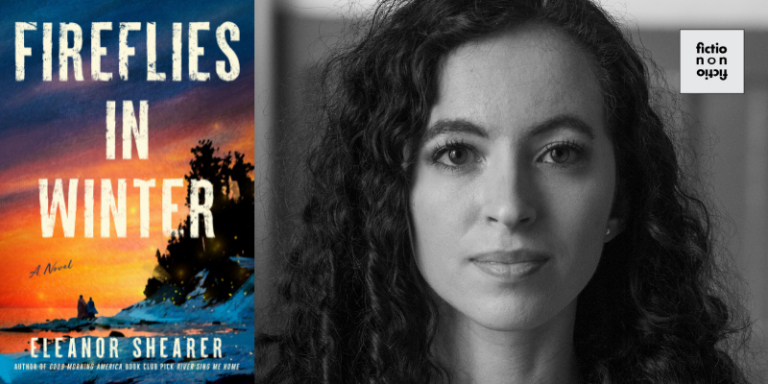
Novelist Eleanor Shearer has launched her new book, Fireflies in Winter, which delves into the often-overlooked history of the Leeward Maroons of Jamaica. This free Black community, descended from formerly enslaved Africans and indigenous people, migrated to Nova Scotia at the end of the 18th century. During a recent podcast episode, Shearer discussed her work with co-hosts V.V. Ganeshananthan and Whitney Terrell, shedding light on themes of resilience, freedom, and the historical context of migration.
Shearer’s interest in the Maroons stems from their dual legacy as both resisters and collaborators in the fight against slavery. They notably opposed British colonial forces in Jamaica while also participating in the recapture of runaway slaves. This complex narrative provides a backdrop for her characters’ struggles in the novel, drawing parallels between their historical challenges and the plight of today’s immigrants in the United States and elsewhere.
In her exploration of character dynamics, Shearer introduces readers to Cora, who grapples with grief over her lost home in Jamaica and the death of a close friend. The structure of the novel also reflects the martial nature of Maroon society, where community members, particularly men, often engaged in military service. Silas, Cora’s complicated love interest, embodies the tensions of this society, which is described as polygamous and militaristic.
Shearer emphasizes that Fireflies in Winter is not just a narrative of freedom but also one of emotional depth. Cora’s relationships with Silas, his son Benjamin, and her adopted mother Leah illustrate the intricacies of community ties and personal agency. The contrast between the settled life in Preston, Nova Scotia, and the wilderness where Agnes, another key character, resides presents a central theme of the novel: the search for freedom amid societal constraints.
As the podcast discussion unfolds, Shearer shares her motivations behind including children in her narrative. Benjamin, a young boy affected by violence and displacement, embodies the trauma of loss. His experiences echo contemporary issues faced by children of immigrants, particularly in light of recent policies in the United States. Shearer draws attention to the emotional scars left by separation and the complexities of grief in young lives.
“I think I like to have children in my novels where I can sense continuity through the generations,” Shearer noted. She reflects on her own family’s experiences and the broader legacy of family fragmentation stemming from slavery, particularly within Caribbean contexts. This historical lens informs her depiction of children navigating grief and resilience.
The author also touches on the broader implications of her narrative, linking the past to present-day challenges faced by marginalized communities. Shearer’s choice to write in the present tense serves to bridge the gap between historical events and current realities, inviting readers to engage with the emotional weight of her characters’ experiences.
Listeners can dive deeper into Eleanor Shearer’s insights by subscribing to the Fiction/Non/Fiction podcast through platforms such as iTunes, Google Play, or Spotify. The episode featuring Shearer also highlights her reading from Fireflies in Winter, providing a glimpse into the rich tapestry of her storytelling.
As Shearer continues to explore themes of identity, migration, and resilience, her work stands as a testament to the enduring legacies of history and the ongoing struggles for freedom and understanding in contemporary society.
























