








































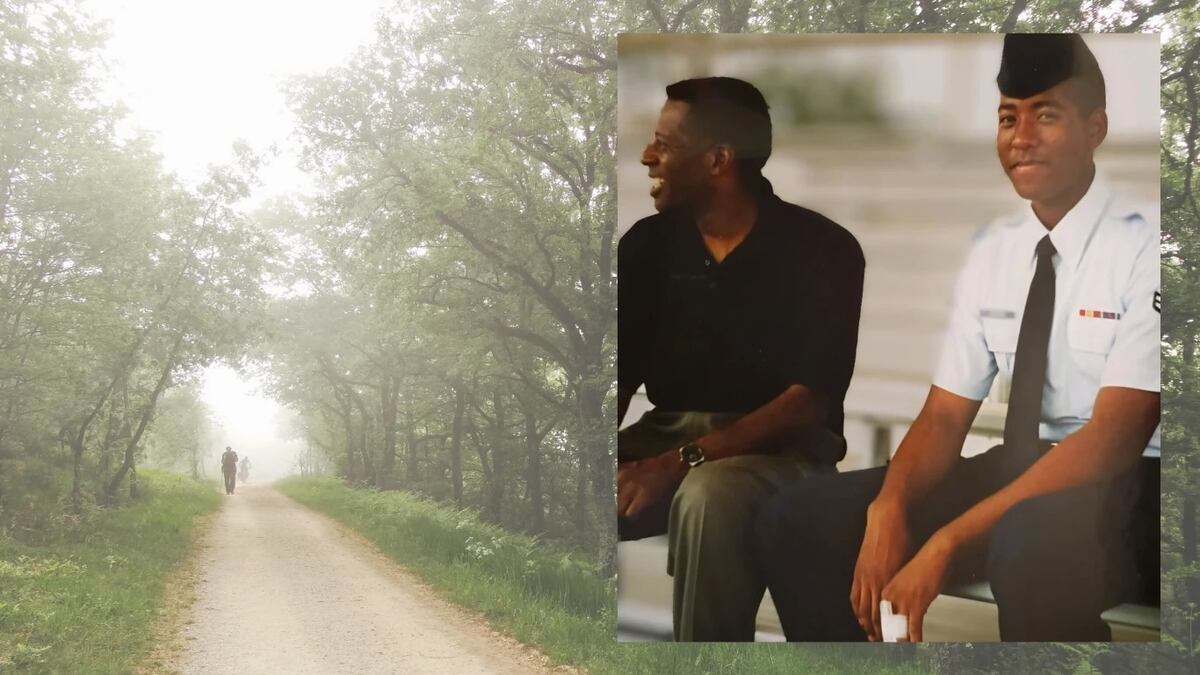
The story of a father and son unfolds against the backdrop of military service, revealing the complexities of identity and purpose. Michael Hyon Johnson, an Air Force veteran, reflects on his relationship with his father, a former Marine, and the expectations that shaped their lives. This poignant exploration highlights the emotional distances that can exist even within familial bonds.
From Military Roots to Personal Ambitions
The narrative begins with the father’s early life, marked by hardship. Growing up in an abusive home in North Carolina, he escaped at the age of 16, seeking refuge at Camp Pendleton. Although he was too young to serve in the Vietnam War, his military training instilled in him a regimented sense of purpose. After his service, he moved his family to Colorado, aiming to carve out a better life.
Despite his father’s sacrifices, he struggled with the weight of unfulfilled aspirations. He had envisioned a successful career in education, but the road to tenure remained elusive. In his quest for stability, he worked two full-time jobs, hoping to differentiate himself from his own father, whom he deemed irresponsible.
Running became a shared ritual. Every Saturday morning, the father expected his son to join him, emphasizing the importance of endurance and discipline. Johnson recalls these moments vividly, describing the struggle to keep pace with his father, who embodied relentless determination. The runs at Washington Park transformed into a metaphor for their relationship—one marked by a relentless pursuit of purpose, yet fraught with emotional barriers.
Challenging Expectations and Discovering Identity
As the son, Johnson grappled with his father’s expectations and the notion of masculinity intertwined with military ideals. Each run was a test of both physical and mental endurance. The pressure to excel left him feeling inadequate, fueling his resentment towards a standard he felt he could never meet. “I’m going to kill myself,” he once expressed, reflecting the weight of his internal struggle.
“You don’t know real pain,” his father replied, dismissing the young man’s feelings as unearned.
This exchange encapsulated the generational divide and differing perceptions of pain and resilience. For his father, pain was a necessary component of growth, a belief he carried into his military service. Johnson, seeking his own path, eventually enlisted in the Air Force, drawn to the less physically demanding lifestyle it offered.
After leaving the military, both father and son sought purpose in different realms. Johnson transitioned from maintaining bombers to managing project assets in civilian roles. His father, despite his hard work, never achieved the academic success he so desperately sought. The shifts in their careers highlighted the evolving nature of purpose and identity, as Johnson found himself striving to outpace his father’s legacy.
Years later, in a moment of reflection, Johnson encountered a young colleague facing similar struggles. He found himself imparting the same wisdom his father had once shared: “Keep moving forward.” This cycle of encouragement and resilience reveals the lasting impact of familial relationships, even when they are marked by challenges.
The Endurance of Legacy
As his father approaches 70, he continues to work, embodying the Marine ethos of “once a Marine, always a Marine.” His relentless pursuit of purpose remains a defining characteristic of his identity. The narrative underscores how the pressures of legacy can both inspire and burden. Johnson acknowledges that while he now runs alone, the lessons learned from his father continue to resonate.
The emotional journey between father and son illustrates the intricate balance of expectation, identity, and purpose within military families. Johnson’s reflection serves as a reminder that while the finish lines may shift, the enduring values of perseverance and resilience transcend generational divides.
Through this exploration, Johnson not only honors his father’s legacy but also carves out his own understanding of what it means to carry forward the weight of familial expectations. As he contemplates his father’s words, he recognizes the shared struggle that binds them across distances, both physical and emotional.
























