








































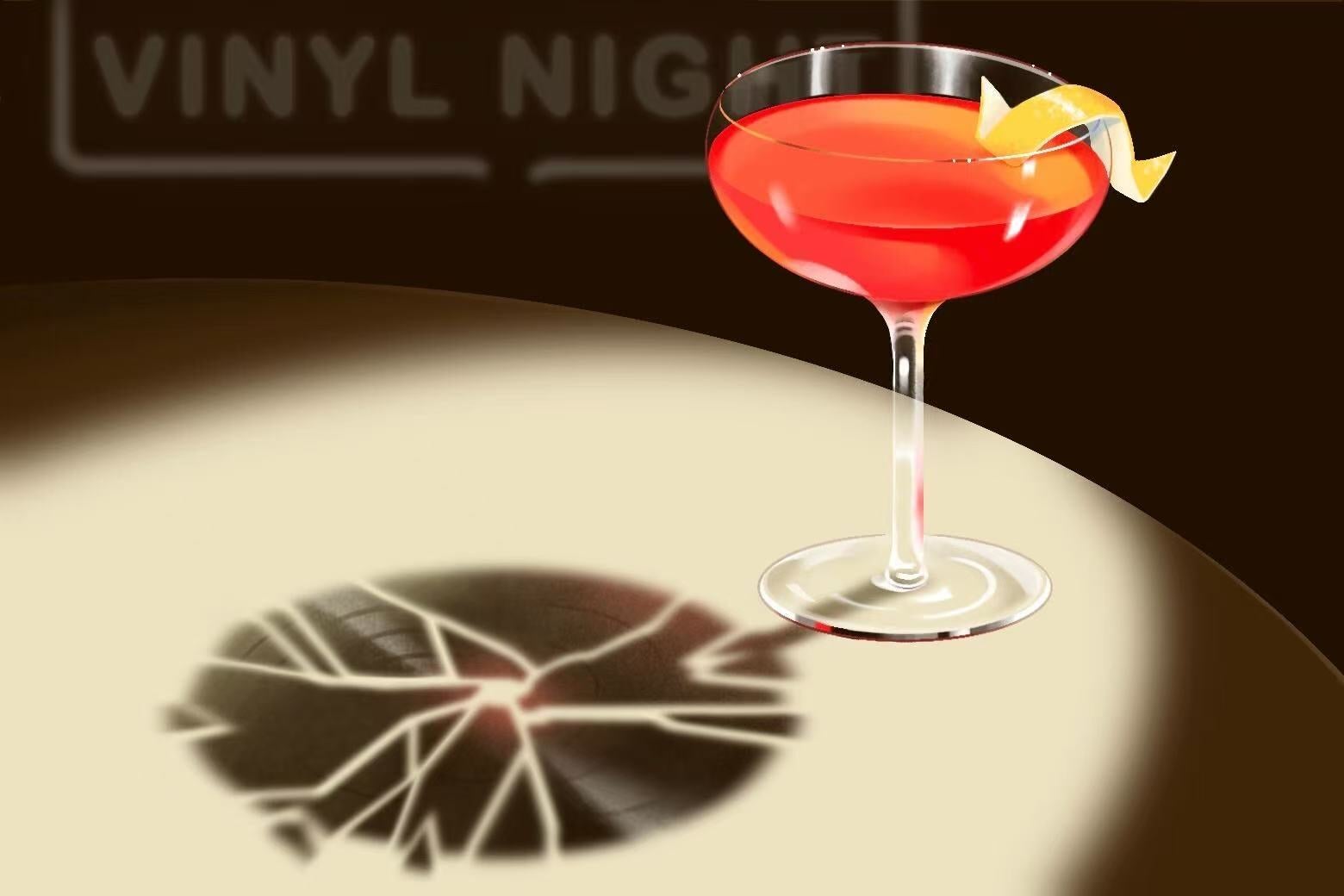
URGENT UPDATE: The rise of “listening bars” across the U.S. is sparking intense debate over authenticity and quality, with many establishments struggling to deliver the genuine experience they promise. As of 2025, these venues, once seen as innovative, are now facing scrutiny, with several already closing their doors amid concerns they have strayed from their roots.
The concept of a listening bar, which encourages guests to engage with music rather than simply socialize, was popularized by venues like BierWax in Prospect Heights, Brooklyn, and Tokyo Record Bar. These bars offer a unique ambiance, allowing patrons to savor records while enjoying craft beverages. However, as the trend exploded, many establishments adopted the label without the necessary commitment to musical integrity.
Chris Maestro, co-owner of BierWax, opened his venue in 2017 with a passion for vinyl and craft beer. He recalls, “I wanted to marry my passions and share my music collection with the community.” However, as Maestro notes, the initial excitement of listening bars has become diluted, leading to an influx of venues that prioritize marketing over authenticity.
In Washington, D.C., the newly opened Press Club claims to offer a “record bar and music lounge” experience. Co-founder Will Patton emphasizes the importance of music in hospitality, insisting, “Music is crucial to a bar’s atmosphere.” Yet, he also acknowledges the challenge: maintaining a focus on music in an environment often dominated by conversation.
Meanwhile, Bar Benjamin in Los Angeles has organically embraced the listening bar concept since its launch in May 2023. Co-owner Jared Meisler shares that they avoided the “listening bar” label at first but now find it reflects their authentic love for music. “We wanted to provide great sound, not just fit a trend,” Meisler states.
The trend has also sparked concerns among industry experts. Bobby Carey, co-founder of the consulting firm Studio Ryecroft, explains that the expectations of American bars differ significantly from Japan’s traditional jazz kissa. “Internationally, bar culture is typically louder and more conversation-led,” he says. Without setting clear expectations, the promise of a listening experience often fades.
At Birds in New York, co-owner Assaf Tamir aims to replicate the feel of a 1970s jazz club while allowing patrons to converse. “You don’t have to go to a bar to listen to Spotify,” he asserts, highlighting the importance of live music and curated soundtracks in enhancing the customer experience.
The closing of several venues raises critical questions about how to identify a genuine listening bar. Ted Pitney of D.L. Adams Associates emphasizes that the defining feature is the intended functionality of the space. “If you notice a significant record collection and can hear whatever’s playing beautifully, you’ve done well,” he notes.
However, many establishments are merely adopting the trendy label without offering the authentic experience. Maestro remarks on the influx of bars with extravagant setups but lack genuine ties to the music community. “I see so many viral posts about ‘cozy’ listening spots that spent millions on buildouts but lack true passion,” he warns.
As the landscape of listening bars evolves, it remains crucial for venues to prioritize authenticity and connection to music. The future of this trend will rely on bars that create intentional spaces for both listening and social interaction, ensuring that the essence of the listening experience is not lost.
With the listening bar concept facing challenges, patrons must discern which venues deliver on their promises and which are merely capitalizing on current trends. As the industry continues to navigate these changes, the genuine love for music remains at the heart of an authentic listening bar experience, reminding us that good music, good sound, and good drinks are timeless.
























