








































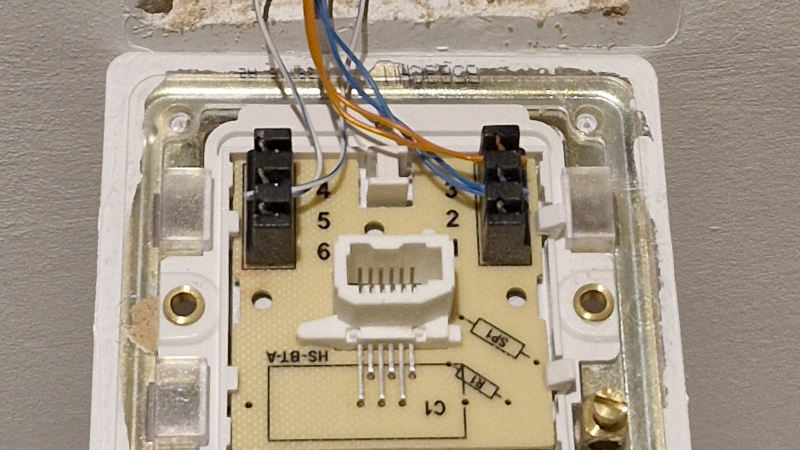
The decline of traditional copper phone lines has created new opportunities for repurposing existing infrastructure. Over the past couple of decades, many households have transitioned from corded landline phones to mobile devices and from DSL to fiber optic connections. This shift leaves behind copper wiring that can potentially be used for Ethernet connections, as demonstrated by a recent project by technology enthusiast TheHFTguy.
In a creative approach, TheHFTguy suggests utilizing the existing copper phone lines for network connectivity. His method involves leveraging technology similar to that used in mains networking, which is commonly seen in various households. While specialized networking devices from Germany can facilitate this process, the focus lies on a more accessible and cost-effective solution.
Exploring the Potential of Mains Networking Technology
Mains networking, which uses electrical wiring to transmit data, has gained popularity. However, its effectiveness can be hindered by electrical noise on power lines, limiting its reliability. The core question raised by TheHFTguy is whether a low-cost mains networking plug can operate independently of its power supply, effectively transforming it into a viable Ethernet option. By isolating the networking component from the mains supply, users could potentially achieve similar results at a fraction of the cost.
The idea taps into an area of growing interest among tech enthusiasts and DIYers who are eager to experiment with different networking solutions. The potential for using inexpensive mains networking plugs as Ethernet connectors could open doors for improved connectivity in homes that still rely on outdated copper infrastructure.
Community Engagement and Experimental Curiosity
The suggestion encourages the community to explore the feasibility of this concept. The question posed by TheHFTguy resonates with many: has anyone attempted this before? As technology continues to evolve, the innovative repurposing of old infrastructure presents exciting possibilities.
As individuals and families seek efficient and budget-friendly ways to improve their internet connectivity, exploring unconventional methods like these could be the key to optimizing home networks. Engaging in discussions and sharing experiences can lead to breakthroughs in how technology is utilized in everyday life.
In summary, the transition away from traditional copper phone lines does not signify the end of their usefulness. Instead, it opens up avenues for creative solutions, such as repurposing these lines for Ethernet connections. As technology enthusiasts delve into these ideas, the potential for innovation grows, demonstrating that even outdated infrastructure can find a new lease on life.
























