








































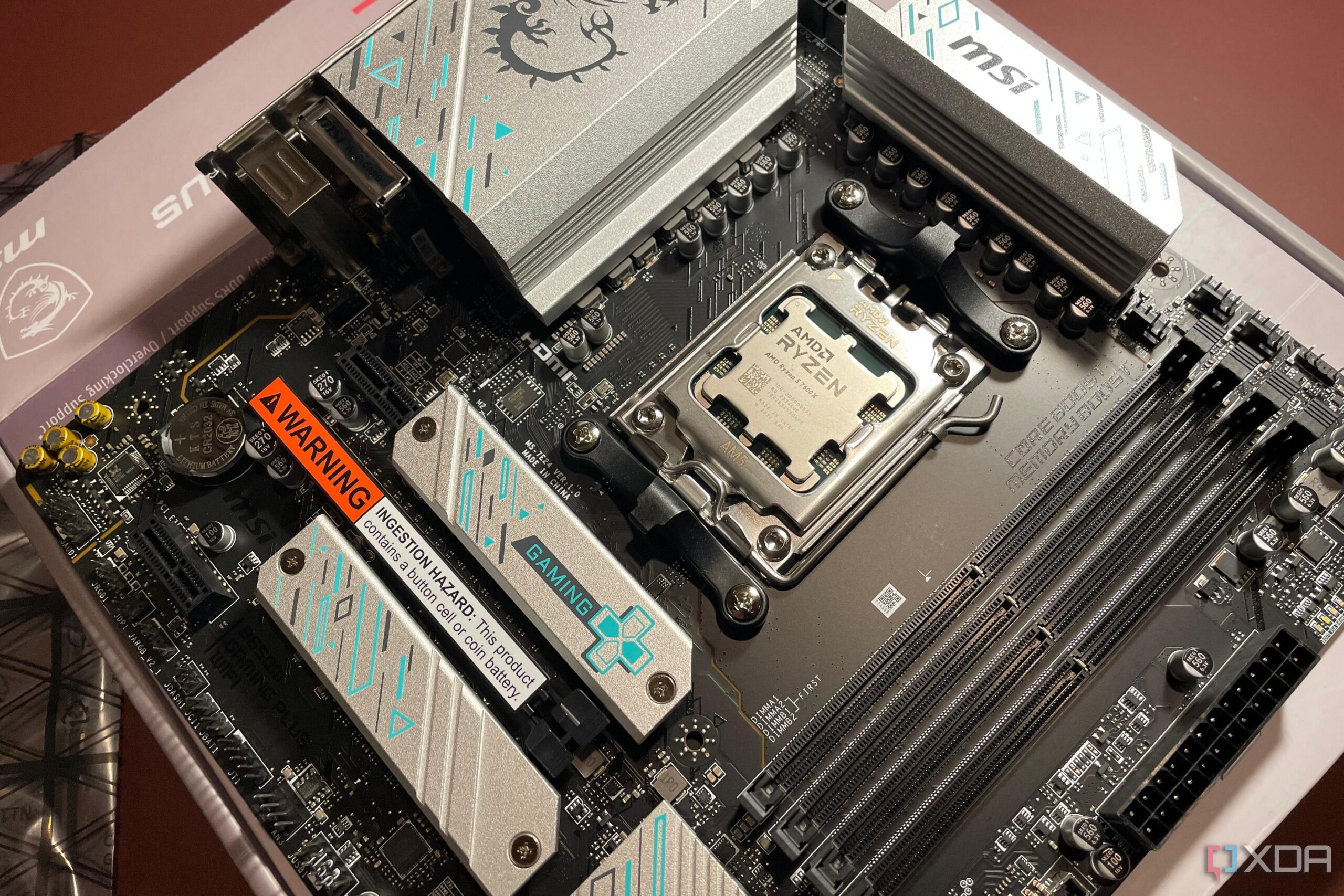
Recent discussions in the tech community have highlighted a growing concern regarding the high costs associated with premium gaming motherboards. Many consumers find themselves drawn to motherboards priced at around $450, featuring elements such as OLED screens and gold-plated audio jacks, believing these enhancements will maximize the performance of their Intel Core i9 or AMD Ryzen 9 CPUs. However, experts emphasize that the motherboard’s role is often exaggerated, and a more economical choice can deliver comparable performance.
Gaming motherboards are designed with features appealing to enthusiasts, such as advanced cooling options and aesthetic designs. Yet, the core functionality remains largely the same across various models. For instance, both a $180 B-series motherboard and a $600 flagship model can run the same CPU at identical stock speeds. This raises the question of whether investing in high-end gaming motherboards is a wise decision for most users.
The Reality of Motherboard Performance
The primary purpose of a motherboard is to provide a platform for the CPU and other components to communicate effectively. While features like enhanced audio and military-grade branding may seem attractive, they do not inherently improve the performance of the CPU. This misperception often leads to unnecessary spending among gamers and tech enthusiasts.
Notably, the differences between budget and premium motherboards can be minimal when considering the actual performance metrics. As confirmed by tech analysts, the additional features often included in gaming motherboards, such as RGB lighting and enhanced power delivery systems, do not significantly impact the average user’s experience, especially for those who do not overclock their systems.
In many cases, the additional expense is not justified. A $180 motherboard can effectively support gaming needs without compromising on performance, making it a more rational choice for consumers looking to build a budget-friendly system.
Understanding the Value Proposition
One of the key factors in the decision-making process is understanding what a motherboard truly contributes to a gaming setup. High-end motherboards may offer improved durability and additional connectivity options, but these advantages are often unnecessary for typical gaming scenarios.
For users who engage in competitive gaming or require extensive multitasking capabilities, investing in a robust motherboard might be more relevant. Conversely, casual gamers or those using their PCs for standard tasks should carefully evaluate whether the premium features justify the price.
Ultimately, consumers should approach motherboard purchases with a clear understanding of their actual needs and usage patterns. The focus should be on functionality rather than marketing allure.
In conclusion, while the appeal of gaming motherboards is undeniable, potential buyers should consider more cost-effective alternatives that provide the necessary performance without the added premium. The market offers a variety of options that cater to a wide range of users, ensuring that effective performance does not have to come at an exorbitant price.
























