








































More than 20% of Americans are now agreeing to pay over $1,000 per month for new car loans, a significant financial burden that is stressing household budgets like never before. This trend reflects a combination of record-high vehicle prices and rising interest rates, leaving many consumers struggling to make ends meet.
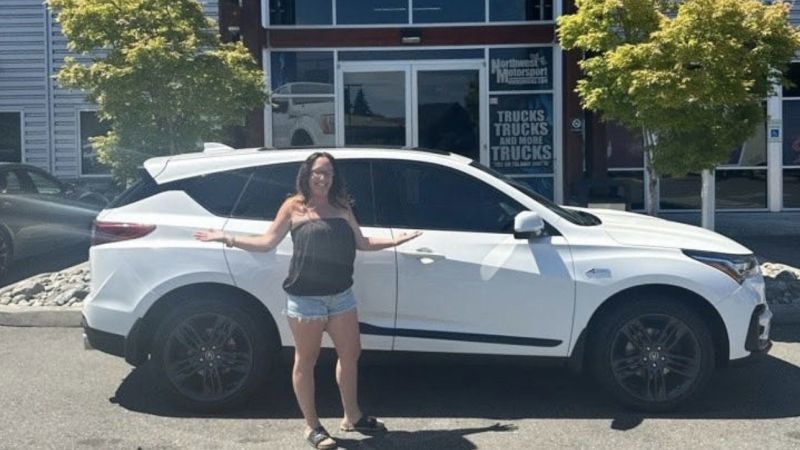
For Melissa Dickerson, a paralegal from Orting, Washington, the shock of her new monthly car payment hit hard. After her son was involved in an accident with her Acura, she found herself searching for a replacement SUV. The result was a staggering $1,100 monthly payment for a used vehicle, up from the $400 she had previously paid. “When I heard my interest rate was going to be 15%, I almost crapped my pants,” she recalled. The increased financial strain forced her to extend her loan to 72 months, causing her to rely on credit cards to cover essential expenses like groceries and utility bills.
High car payments are not an isolated issue. The average used car loan payment now sits at $538 a month, nearly matching the average payment for a new car in 2019. Meanwhile, the average new car payment has surged by over $300, or more than 35%, reaching $769 per month. As reported by car sales site Edmunds, these increasing payments are a reflection of the current economic climate, where consumers feel the pressure of a higher cost of living.
In Aurora, Colorado, Ravi Stephens II faced similar challenges after purchasing a $80,000 Ram 2500 pickup in 2022. His monthly payment of $1,019 for a seven-year loan more than doubled his previous payment for a 2013 Camaro. Although he initially managed the loan, the financial burdens became more pronounced over time. “Maybe about a year ago, it started to be a bit more of a burden,” he explained. “The last few years have been tough for a lot of Americans.”
Despite the financial pressures, many people feel compelled to purchase vehicles for commuting and other daily needs. According to Satyan Merchant, leader of TransUnion’s automotive and mortgage business, “Regardless of economic conditions like inflation, if somebody needs a car they’re going to go out and get a car.” This necessity keeps car payments elevated and contributes to the rising number of borrowers falling behind on their loans.
Indeed, the percentage of car loans that are 60 days or more delinquent reached 1.45% in the third quarter of 2024, marking a nearly 40% increase from three years earlier. While automobile prices hover around $50,000, there seems to be little relief in sight. Automakers are grappling with rising costs due to tariffs on imported vehicles and a reduction in the production of more affordable models.
Interest rates, while beginning to decrease, are not falling quickly enough to alleviate the burden on consumers. The Federal Reserve has lowered its benchmark interest rate by nearly two percentage points since late 2024. However, the average car loan rate has only seen a modest decline, dropping by about half a percentage point to approximately 6.06%. Used car loan rates have decreased at an even slower pace.
As the financial landscape remains challenging, car owners with burdensome payments can only strive to stay current on their loans. For Dickerson, who has managed to pay off about half of her loan for the $51,000 used Acura RDX, her focus is on maintaining her vehicle for as long as possible. “This is the car I’m comfortable in,” she stated. “I didn’t want to downgrade. I’m not getting rid of this car until it dies on me.”
The situation highlights the ongoing struggle many households face as they navigate the increasingly costly landscape of vehicle ownership. As car prices and loan payments continue to rise, consumers must find ways to balance their budgets while securing reliable transportation.
























