








































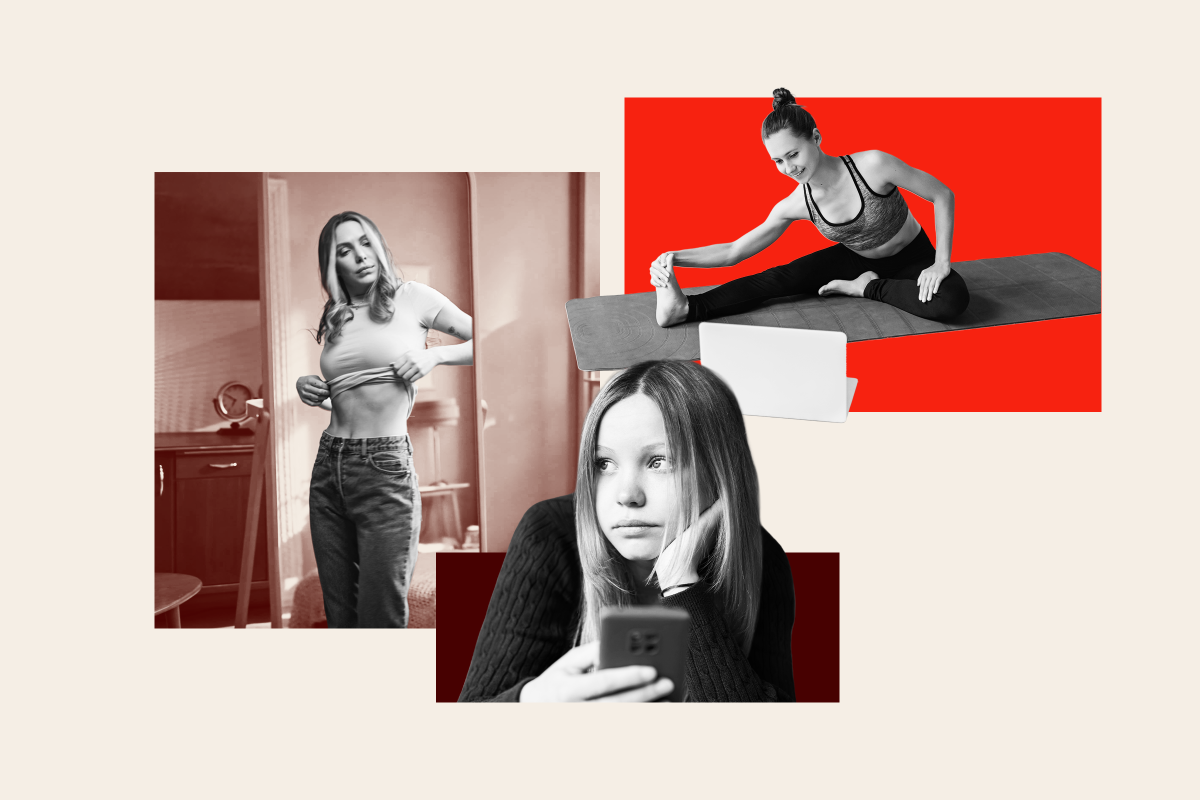
The emergence of AI-generated fitness transformation videos is raising significant concerns among experts and social media users alike. These videos often depict dramatic changes in appearance that can make individuals look unrecognizable from their original selves. As social media continues to proliferate with such content, the potential implications for body image and mental health are becoming increasingly alarming.
Unpacking the AI Fitness Video Phenomenon
A simple search for “AI fitness video” on various platforms reveals a plethora of results that range from humorous animations to highly stylized transformations. While some content is clearly marked as AI-generated, other videos blur the line between reality and digital manipulation. Personal trainer Louis Baker-Stroud criticized one such video that claimed, “POV: You stopped using ‘bad genetics’ as an excuse,” which has amassed over 2 million views. Baker-Stroud’s reaction highlights a growing awareness of the misleading nature of these videos.
Experts suggest that the increasing popularity of AI-generated fitness content stems from a combination of factors. Dr. Rachel Hogg, a senior lecturer at Charles Sturt University, noted that “body transformation” content has always attracted high engagement, benefiting both social media platforms and content creators. Furthermore, psychology professor Jennifer Mills from York University emphasized that people are naturally drawn to attractive imagery, leading to a rapid spread of such content, especially during the New Year’s resolution season when interest in weight loss peaks.
The Risks of Unrealistic Standards
As these AI-generated videos proliferate, experts express increasing concern over their potential harms. A report from SQ magazine indicates that 80 percent of individuals with eating disorders attribute their condition to social media influences. Additionally, one in three adolescents admitted to engaging in disordered eating behaviors due to content on these platforms. The prevalence of negative body image is evident, with 65 percent of teenagers reporting dissatisfaction with their appearance as a result of social media exposure.
Rachel Rodgers, an associate professor of Counselling Psychology at Northeastern University, cautioned that while research on AI-generated images is still limited, these videos can be “extremely harmful.” The ability to create hyper-realistic images that surpass traditional digital alterations significantly complicates the landscape of body image perception. This creates a cycle where idealized, unrealistic standards are perpetuated, often without users recognizing the artificial nature of the content.
Hogg pointed out the rapid changes in beauty standards over the last decade, noting a shift from the thin ideal to the “skinny thicc” physique and back to thinness post-pandemic. The capacity for AI to manufacture body transformations at will could exacerbate these fluctuations, leaving viewers grappling with increasingly unattainable ideals.
Navigating AI Content Responsibly
Given the potential for harm, social media users must approach AI-generated fitness content with caution. Emily Hemendinger, an assistant professor at the University of Colorado Anschutz, emphasized that such videos can reinforce negative body perceptions and contribute to a cycle of anxiety and dissatisfaction regarding appearance. She noted that the combination of AI content, the popularity of weight loss drugs like Ozempic, and trends like “SkinnyTok” may heighten preoccupations with weight and image.
To mitigate these risks, experts advocate for increased media literacy among users. Megan A. Vendemia, an assistant professor at West Virginia University, highlighted the importance of maintaining a healthy skepticism about the content encountered online. As AI-generated imagery becomes more sophisticated, distinguishing between authentic and manipulated content will become increasingly challenging.
In conclusion, the rise of AI-generated fitness videos presents new challenges in the realm of body image and mental health. The impact of these videos may be profound, emphasizing the need for users to engage critically with the content they consume and for a broader societal shift towards authenticity and realistic body standards.
























