








































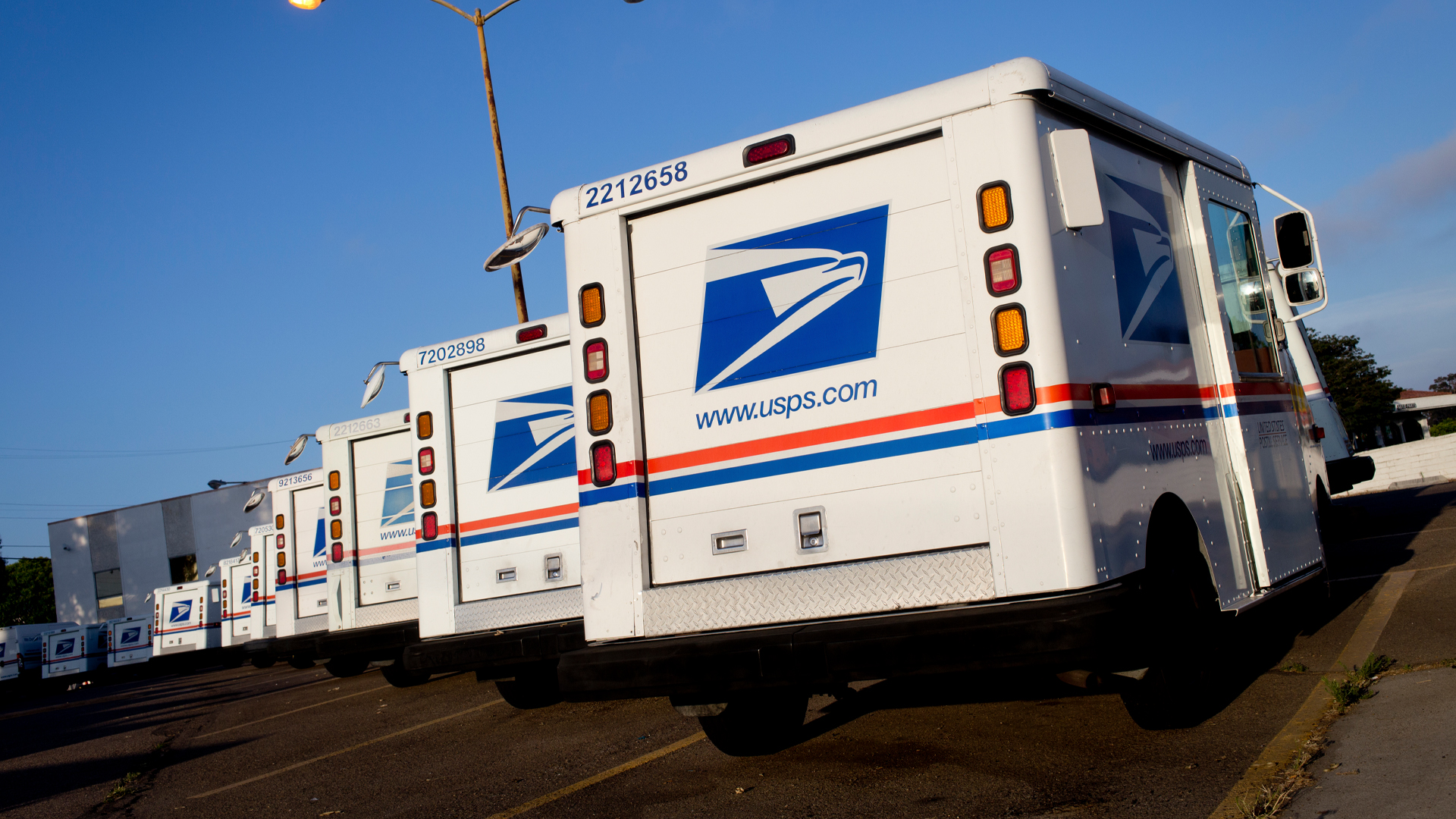
Concerns are growing among millions of Americans who depend on rapid online deliveries as Amazon reportedly prepares to conclude its longstanding partnership with the United States Postal Service (USPS). This change, anticipated when the current agreement expires in late 2026, could significantly impact package deliveries across the nation.
For decades, USPS has served as a vital “last-mile” carrier for Amazon, especially in rural and hard-to-reach areas where private delivery services may struggle to operate profitably. This longstanding relationship has enabled Amazon to deliver packages to nearly every corner of the United States. However, ongoing contract negotiations have failed to yield new terms, prompting Amazon to consider shifting more deliveries in-house, as reported by MSN.
The USPS is currently grappling with substantial financial challenges, with annual losses reaching $9.0 billion for fiscal year 2025, following a net loss of $9.5 billion the previous year. The Postal Service has relied heavily on revenue from Amazon, estimated at over $6 billion annually, to help offset declines in traditional mail volume. As Amazon expands its logistics network, the potential consequences for USPS are significant.
Impact on Delivery Services and Jobs
As Amazon increases its focus on in-house delivery capabilities, the shift is expected to be felt most acutely in rural communities. Historically, USPS has filled the gaps where other carriers struggle to provide reliable service. Consequently, shoppers in remote areas may experience extended delivery windows and decreased reliability during this transition. In urban centers, customers are likely to encounter different drivers as Amazon takes on a larger role in package drop-offs.
The potential job loss associated with this transition is another pressing concern. Analysts warn that up to 100,000 jobs could be affected across postal operations, transportation services, and contract delivery roles linked to Amazon’s volume. While not all positions would disappear instantly, a sustained decline in package deliveries could necessitate staffing adjustments in multiple regions.
The USPS has increasingly relied on growing package deliveries to counteract the decline in traditional mail. Without Amazon’s volume, the agency may face pressure to accelerate cost-cutting measures, rethink delivery routes, and reduce staffing through attrition and restructuring. To mitigate these challenges, USPS is exploring new business opportunities, including inviting competitive bids from alternative shipping providers.
Amazon’s Strategic Shift
On Amazon’s side, this potential break from USPS aligns with a broader trend toward vertical integration, in which the company seeks to build a comprehensive delivery system under its control. Critics argue that this shift could disadvantage smaller retailers unable to match Amazon’s speed and cost efficiency. Furthermore, industry analysts caution that the move may reshape competition within the U.S. shipping market as Amazon decreases its reliance on USPS and traditional rivals like UPS and FedEx.
As the delivery landscape evolves, the implications of this partnership’s end will resonate beyond logistics. For millions of consumers, this shift raises concerns about the reliability and speed of package deliveries, particularly in underserved areas. The coming years will be crucial in determining how this change impacts both consumers and the broader shipping industry.
























