








































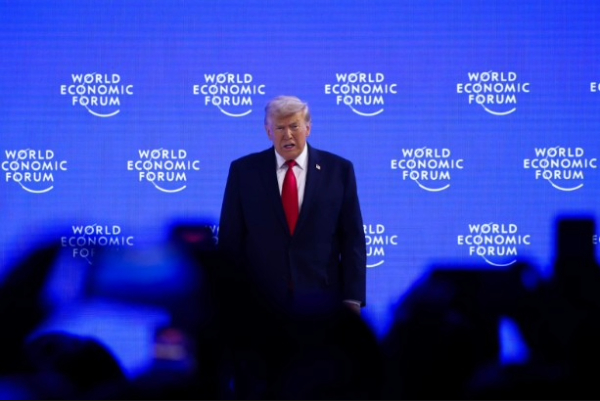
The annual meeting of the World Economic Forum (WEF) in Davos, Switzerland, has once again become a focal point for global leaders and influential CEOs. This year’s gathering, which took place from January 16 to January 20, 2023, saw a notable return of former President Donald Trump to the international stage. His appearance and bold statements have captured significant attention, raising discussions about the future of global economics and politics.
During the event, Trump delivered a passionate address, highlighting his vision for the United States and its role in the world. He emphasized the importance of economic growth, innovation, and security, themes that resonated with many attendees. The scenic Alpine backdrop provided an impressive setting for discussions that are critical to shaping the global economic agenda.
The WEF has historically served as a platform for dialogue among the world’s elite. This year was no different, as leaders from various sectors exchanged insights on pressing issues such as climate change, technological advancements, and economic inequality. Trump’s fiery rhetoric, especially about revitalizing American industry, stood in stark contrast to the more cautious tones of other leaders, making headlines and sparking debates.
Trump’s Vision and Global Response
Trump’s address included a call for increased collaboration between nations, stating, “We must work together to restore our economies and ensure that our citizens can thrive.” His comments about prioritizing American jobs and industries were met with mixed reactions, highlighting the ongoing divide in international economic policy perspectives. Many attendees expressed concern about protectionist measures, while others supported a focus on national interests.
The former president’s return to the global stage comes a year after he re-entered the Oval Office. His policies, particularly those affecting trade and foreign relations, remain a topic of discussion among world leaders. Some praised his focus on economic revitalization, while others criticized his approach as potentially detrimental to international cooperation.
As discussions unfolded, prominent CEOs from various industries shared their perspectives on the future of business in a rapidly changing world. The presence of leaders from technology, finance, and manufacturing sectors underscored the importance of innovation and sustainability in driving economic growth.
A Year of Challenges Ahead
Looking ahead, the WEF’s discussions set the tone for a year of challenges and opportunities. Climate change and its impact on global economies were recurring themes, with many leaders stressing the need for immediate action. Trump’s focus on American energy independence was juxtaposed with calls for global responsibility towards environmental sustainability.
The event also addressed the ongoing effects of the COVID-19 pandemic, with leaders discussing strategies to bolster economic recovery while ensuring public health safety. The interplay between national policies and global health initiatives remains critical as countries navigate the complexities of post-pandemic recovery.
As Davos concluded, the dynamics of international relations and economic policies took center stage, reflecting a world in flux. The conversations initiated at the WEF will undoubtedly influence the trajectory of global governance and economic strategies throughout 2023 and beyond.
The impact of Trump’s statements, alongside the insights shared by other leaders and CEOs, will resonate as nations seek to balance national priorities with the need for collaborative action in addressing global challenges.
























