








































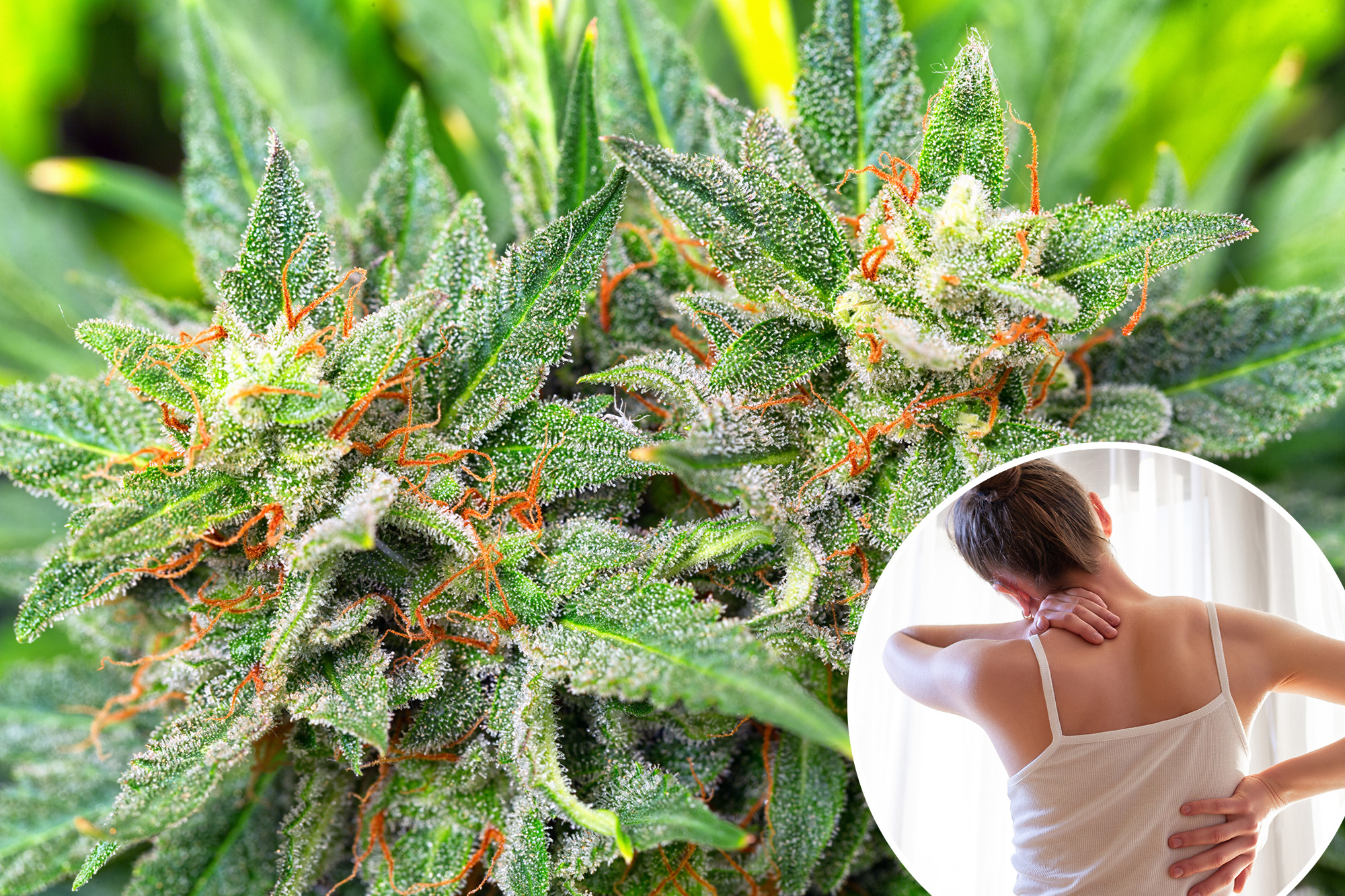
Recent research has raised significant questions about the effectiveness of medical marijuana for chronic pain relief. A review published on October 23, 2023, indicates that the benefits of cannabis in managing chronic pain may be overstated, adding to the ongoing debate about its medical use. As more individuals turn to cannabis for conditions such as chronic pain, insomnia, and anxiety, the findings challenge prevailing assumptions about its therapeutic potential.
The review analyzed data from 21 clinical trials involving over 2,100 adults and compared the effects of cannabis-based products—specifically those containing THC (the psychoactive component), CBD (which does not produce a high), and combinations of both—to placebo treatments. The researchers found no significant difference in pain relief between the cannabis products and placebo medications. Participants using THC products reported increased side effects, including dizziness and drowsiness, leading some to withdraw from the trials.
This latest research is consistent with a 2025 review of more than 2,500 studies, which concluded there was “insufficient evidence” to support the wide-ranging health benefits of marijuana for various conditions. Among the findings, the evidence supporting cannabis for insomnia, anxiety, PTSD, Parkinson’s disease, and rheumatoid arthritis was deemed weak or insufficient.
Despite these findings, there are specific areas where cannabis has demonstrated potential therapeutic value. Medical cannabis can provide relief for nausea induced by chemotherapy, stimulate appetite in patients with HIV/AIDS, and help manage certain severe pediatric seizure disorders. Nonetheless, the current body of research leaves much to be desired.
Clinician Winfried Häusser, the lead author of the review, emphasized the need for more rigorous studies. He stated, “At present, the quality of most of the trials is too poor to draw firm conclusions. We need larger, well-designed studies with a treatment duration of at least 12 weeks that include people with comorbid physical illnesses and mental health conditions to fully understand the benefits and harms of cannabis-based medicines.”
The potential risks associated with cannabis consumption, particularly among adolescents, have also been highlighted in recent studies. Young users of high-potency cannabis show increased rates of psychotic symptoms and a higher likelihood of developing generalized anxiety disorder.
As the conversation around medical marijuana continues to evolve, it is clear that further research is essential to clarify its effectiveness and safety in treating chronic pain and other conditions.
























