








































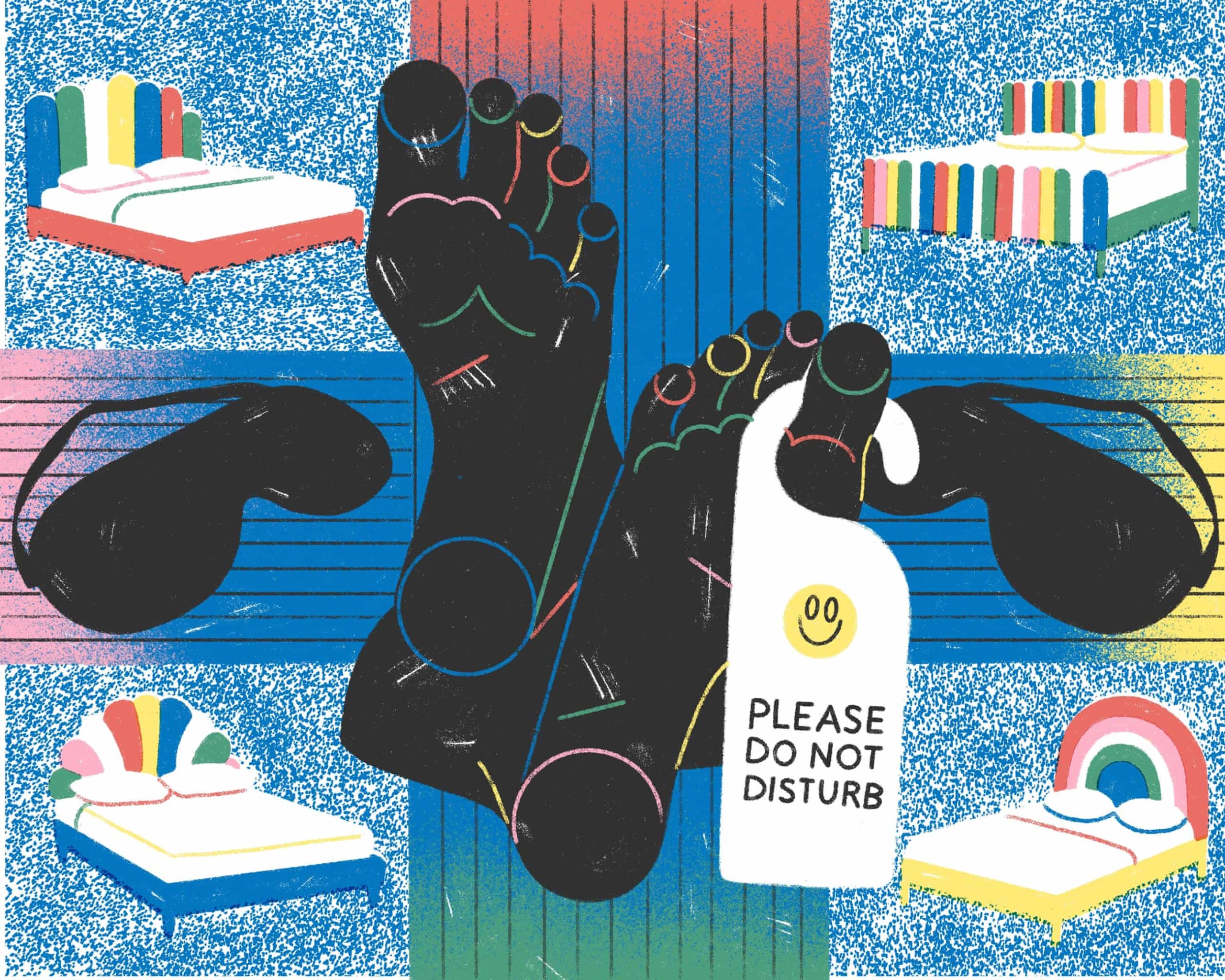
As the new year begins, many individuals feel the pressure to enhance productivity and engagement in various aspects of life. This year, experts suggest that the focus should shift from doing more to doing less, particularly when it comes to rest. The concept of “rest” is gaining attention as a crucial component for maintaining mental and physical health, with thought leaders advocating for a balanced approach to work and well-being.
Amelia Nagoski, co-author of *Burnout: The Secret to Unlocking the Stress Cycle*, highlights that society often glorifies busyness, creating what she refers to as the “stress Olympics.” In this environment, the busiest individuals are perceived as the most successful. However, Nagoski emphasizes that this mindset is counterproductive, stating, “Rest is what helps us function at our highest level of capacity.”
Dr. Saundra Dalton-Smith, a physician and author of *Sacred Rest*, echoes this sentiment, noting that many people are accustomed to pushing through fatigue. This often leads to diminished quality of work. Instead, she advises that incorporating rest into daily routines can lead to improved performance and overall well-being.
Understanding Rest and Its Benefits
What exactly constitutes rest? Nagoski explains that rest encompasses any activity that replenishes energy. Importantly, this does not always mean complete inactivity. “Sometimes, it’s just doing different things,” she notes. Activities such as walking in nature, engaging in light exercise, or pursuing hobbies can offer significant restorative benefits.
In contrast, passive activities, like watching television, may not provide the same level of rejuvenation. According to Alex Soojung-Kim Pang, author of *Rest: Why You Get More Done When You Work Less*, the most effective forms of rest are often more active than passive.
Despite the clear benefits of rest, several obstacles may hinder individuals from incorporating it into their lives. Pang points out that societal norms often cultivate a belief that productivity is synonymous with success. This cultural programming discourages many from prioritizing rest. Additionally, individuals may struggle to identify the type of rest they actually need, which can further complicate their efforts.
Practical Strategies for Incorporating Rest
Recognizing the importance of rest is the first step toward making meaningful changes. Pang emphasizes that if individuals are contemplating how to integrate more rest into their lives, they are already on the right track.
For those with flexible work schedules, Pang recommends alternating between periods of focused work lasting 90 minutes to two hours and breaks of approximately half an hour. These breaks can include errands, short walks, or meals—essentially, any activity that allows the mind to step away from work. In contrast, those with less predictable work schedules should strive to create boundaries, preserving time during evenings and weekends for personal activities. Research indicates that maintaining clear separations between work and personal time can lead to longer, more fulfilling careers.
Understanding the specific type of rest required is crucial. Dr. Dalton-Smith’s experiences working in a hospital ICU led her to realize that she needed emotional rest, despite getting sufficient sleep. The American Psychological Association has categorized rest into seven key types:
– **Physical rest**: Adequate sleep and napping.
– **Mental rest**: Engaging in journaling, meditation, or simple puzzles.
– **Emotional rest**: Discussing feelings with friends or therapists.
– **Social rest**: Spending time alone or with supportive individuals.
– **Sensory rest**: Taking breaks from screens and enjoying nature.
– **Creative rest**: Pursuing artistic hobbies or leisurely reading.
– **Spiritual rest**: Connecting with meaningful causes or traditions.
Incorporating community support can significantly enhance these efforts. Nagoski shares that she and her twin sister, sex educator and researcher Emily Nagoski, were motivated to write *Burnout* after Amelia experienced a stress-related health crisis. Emily’s support during this time was invaluable, highlighting the importance of mutual care among friends and family.
“Surrounding yourself with people who care about your well-being is essential,” Nagoski explains. “If you try to stand against the pressures to sacrifice your health alone, you’re going to get washed away.”
As the year unfolds, embracing rest as a legitimate and essential part of life may lead to not just improved productivity, but enhanced overall well-being. Recognizing the need for rest can empower individuals to prioritize their health and resist societal pressures to remain perpetually busy.
























