








































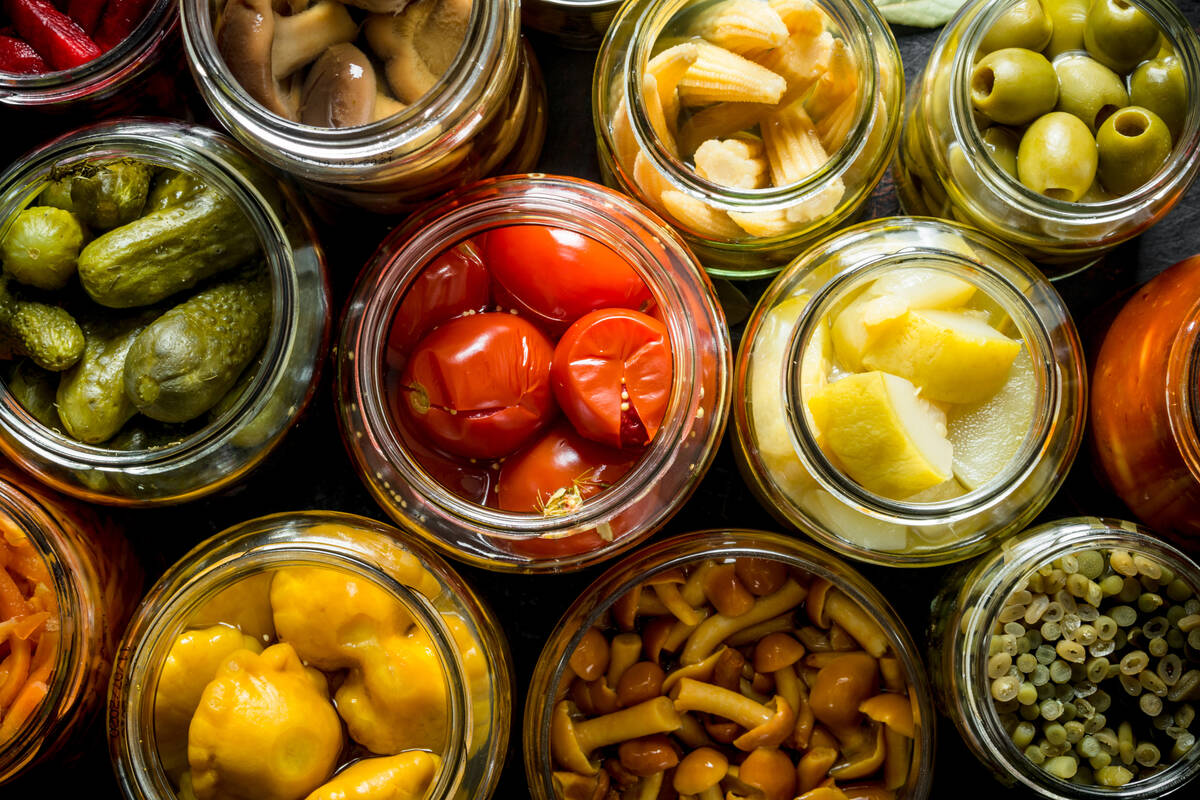
Understanding the roles of prebiotics and probiotics can significantly enhance health choices. These two components play vital roles in maintaining a balanced gut microbiome, which consists of approximately 100 trillion microorganisms residing in the human gastrointestinal tract. The balance between beneficial bacteria and harmful microorganisms is crucial for digestive health and overall well-being.
Exploring Probiotics
Probiotics are live microorganisms, primarily bacteria and yeast, that contribute to various health benefits. They help strengthen the gut barrier, improve nutrient absorption, and replace harmful microbes. Research indicates that probiotics can be effective in treating and preventing multiple health conditions, including gastrointestinal infections, irritable bowel syndrome, and even some cancers.
A growing body of evidence suggests that probiotics can also support dental health, helping to prevent tooth decay and periodontal disease. Moreover, by promoting a healthy immune system, probiotics may reduce the risk of chronic diseases. Common sources of probiotics include fermented foods such as certain yogurts, cheeses, sauerkraut, and fermented beverages like kombucha. Additionally, probiotic supplements are available in capsule or powder form for those seeking convenient options.
The Role of Prebiotics
Prebiotics serve as the food for probiotics, aiding their growth and activity in the gut. By fermenting within the digestive system, prebiotics contribute to essential processes like energy production, immune function, and hormone regulation. Studies reveal that a diet rich in prebiotics can enhance immune responses, help regulate blood sugar, and may even reduce the risk of colorectal cancer.
Prebiotics are found in various foods, particularly those high in dietary fibers. Common sources include fruits and vegetables, with particular emphasis on green bananas, asparagus, onions, garlic, nuts, seeds, oats, barley, and legumes such as soybeans and lentils. The presence of inulin, oligosaccharides, and pectin in these foods makes them particularly beneficial for gut health.
When incorporating prebiotics and probiotics into one’s diet, attention to food preparation is essential. For example, boiling potatoes can enhance their prebiotic properties, especially when they are chilled afterwards. This process allows the formation of resistant starch, which is beneficial for the gut. Consuming beans and legumes hot increases their starch content as well. Fresh and raw fruits and vegetables also provide optimal health benefits.
It is advisable to gradually introduce these foods into the diet. Sudden increases in prebiotic and probiotic intake can lead to gas, bloating, and discomfort, underscoring the importance of a mindful approach to dietary changes.
In conclusion, understanding the distinctions and benefits of prebiotics and probiotics can empower individuals to make informed dietary choices. By prioritizing these elements, one can foster a healthier gut microbiome, ultimately contributing to improved overall health.
























