








































UPDATE: As PC enthusiasts brace for significant price hikes in 2026, emerging reports highlight five key upgrades that remain affordable despite skyrocketing DRAM costs. The surge in memory prices, driven by AI-induced shortages, is impacting many components, but these upgrades could still be within reach for budget-conscious builders.
DRAM pricing has surged dramatically, compelling consumers to rethink their hardware strategies. Major memory manufacturers are reallocating resources away from consumer RAM, resulting in inflated costs across the board. However, if you already own a gaming rig, certain upgrades are still possible without breaking the bank.
CPU upgrades continue to be a viable option. While most users are transitioning from DDR4 to DDR5, those with existing setups can upgrade within their current socket without incurring excessive costs. Platforms like AM4 are retaining value, allowing users to enhance performance at reasonable rates. Users on AM5 have an array of options, while Intel users may face more challenges due to frequent socket changes.
Storage remains a bright spot in the upgrade landscape. Despite initial fears, NAND module prices have only slightly risen. Solid-state drives (SSDs) are still accessible, with PCIe 3.0 and 4.0 drives available at competitive prices. However, PCIe 5.0 drives are premium-priced and may not offer significant benefits for everyday use.
Upgrading your monitor can yield transformative results. Many gaming enthusiasts undervalue this enhancement, yet a higher resolution or refresh rate can drastically improve your experience. A recent upgrade from a 1440p to a 4K display exemplifies this impact, proving that a monitor can often offer more significant changes than even a new GPU.
Regarding cases and cooling solutions, these components remain largely unaffected by the current DRAM crisis. If you’re using an outdated case with inadequate airflow, now is a perfect time to upgrade. Similarly, cooling systems, especially AIO water cooling units, have finite lifespans and may need replacement as other components are upgraded.
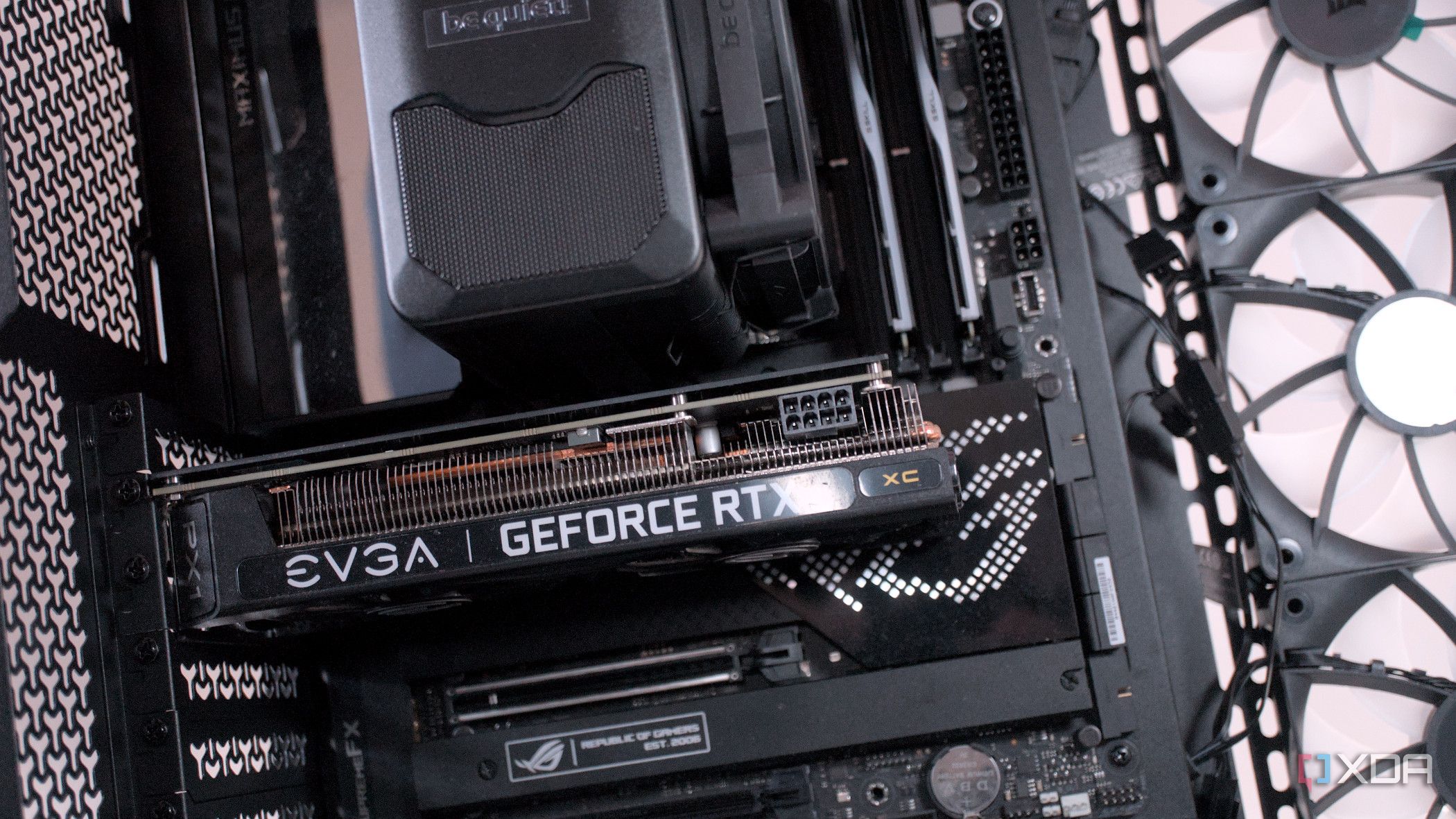
Lastly, the GPU market remains volatile, with prices still fluctuating. While GDDR costs affect GPU prices, many new cards are still available at reasonable prices. The used market offers further options for budget-conscious builders seeking discounts.
In summary, while the future of PC building may seem uncertain, these five upgrades offer a beacon of hope. Despite the pressures from rising prices, there is still a viable market for PC components, and prices are unlikely to remain at current levels indefinitely. Keep an eye on these upgrade paths as you plan your 2026 build.
For those looking to enhance their PC experience without overspending, now is the time to act on these opportunities. Stay tuned for further updates as the market evolves.
























