








































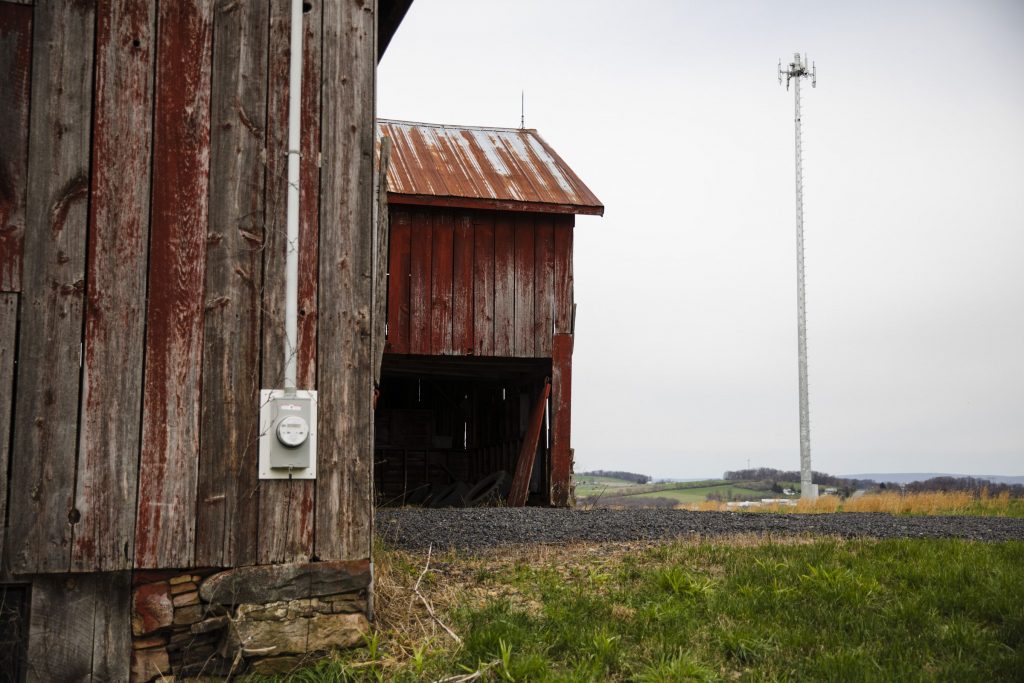
UPDATE: Major shifts in a federal broadband initiative are causing urgent complications for rural internet expansion across the United States. The $42.45 billion program, launched in 2021 with bipartisan support, aims to provide high-speed internet access to every American, regardless of location. However, recent changes announced by the Trump administration have raised concerns about the initiative’s future effectiveness.
Commerce Secretary Howard Lutnick revealed in January that the program is mired in bureaucratic delays and has been burdened by what he termed “woke mandates.” Promising a comprehensive review, Lutnick’s statements indicate significant changes are ahead for the initiative.
Key developments include:
1. Changes to Grant Programs: In June, the Trump administration modified grant criteria, shifting focus from fiber-optic networks to cheaper technologies like satellite and wireless. Critics argue this prioritization risks compromising internet speed and reliability for rural communities, ultimately failing to meet future demands.
2. Cancellation of Digital Skills Grants: In a controversial move, the Trump administration scrapped a $2.5 billion program designed to enhance digital skills training and broaden internet access for vulnerable populations. In Pennsylvania alone, the state lost over $25 million intended for digital skills education and affordable internet subscriptions, affecting low-income households, veterans, and older adults. A lawsuit challenging the legality of this cancellation is currently pending in federal court.
3. Shift Toward Satellite Internet: As of August, Pennsylvania announced that approximately two-thirds of eligible locations will now be connected through fiber-optic cables, with 18% relying on satellite providers and 13% using wireless internet. This alteration raises questions about the quality and accessibility of internet services in densely wooded or remote regions.
4. Funding Uncertainty: Following the recent rule changes, Pennsylvania can now connect eligible locations for only $790.7 million instead of the previously planned $1.1 billion. Originally, leftover funds were to be used for digital skills training and providing free laptops. However, new federal guidelines rescind this option, tying remaining funds to a review of state laws on artificial intelligence, which could further limit states’ financial flexibility.
The implications of these changes are significant for many Pennsylvanians—nearly 80% of whom belong to groups facing barriers to internet access. With the ongoing legal challenges and a push for more equitable access to technology, residents are left in a state of uncertainty.
What’s Next: As developments unfold, the focus will shift to how states like Pennsylvania navigate the new funding landscape and whether they can secure resources to address the digital divide effectively. The outcome of pending lawsuits and further federal reviews will also play a critical role in shaping the future of broadband access.
Stay tuned for updates on this developing story as the impact on rural communities and broader internet access continues to unfold.
























